I spent three years in a cramped basement studio pinning hems for brides who were convinced that a larger wardrobe was the cure for a lack of confidence. I watched them pile up “must-have” pieces that sat in their closets with the tags still on, purely because the proportions were wrong or the fabric was too flimsy to hold a shape. We’ve been sold this lie that style is a volume game, but the truth is that most people are just drowning in fabric they don’t actually like wearing. If you are sitting there staring at a bursting drawer wondering how many clothes you actually need, stop looking at the quantity and start looking at the utility.
I’m not here to sell you a minimalist lifestyle or a curated capsule collection that only works if you live in a beige apartment. I’m going to give you the actual math of a functional wardrobe—the kind that survives a rainy Wednesday and a heavy laundry cycle. We are going to talk about fabric longevity, why a well-altered thrift find beats a designer mistake every single time, and how to build a rotation that actually serves your life without breaking the bank.
Understanding How Many Clothes You Actually Need
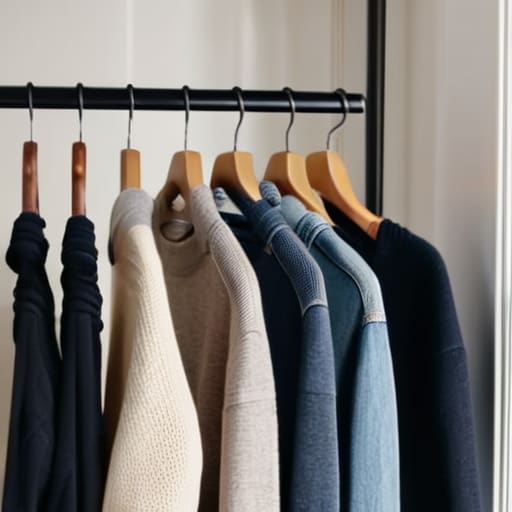
The math of a functional wardrobe isn’t about hitting some arbitrary number you saw on a lifestyle blog. It’s about your actual life. If you work from home in leggings and only head into the city once a week, your essential clothing list shouldn’t look like a corporate executive’s. Most people over-calculate because they’re dressing for a “fantasy self”—the version of them that attends gala dinners and weekend trips to Provence—rather than the person who actually has to do laundry on a Tuesday night.
To find your real number, you have to look at your laundry frequency guide. If you only wash clothes once a week, you need enough rotation to cover seven days without feeling like you’re wearing a costume. I tell my clients to stop chasing the idea of a perfect 30-piece capsule wardrobe and instead focus on a wardrobe rotation strategy that accounts for fabric care. A heavy wool sweater can be worn five times before it needs a refresh, but a thin silk camisole might need more attention. Your quantity is dictated by how much you move, how much you sweat, and how often you’re willing to pull the plug on the washing machine.
Key Things to Know
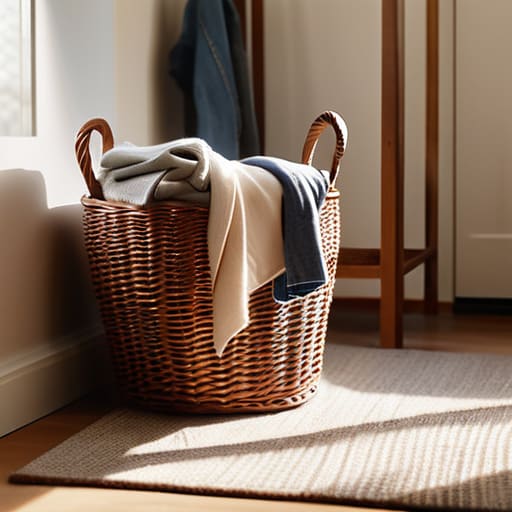
First, stop looking at social media “capsule wardrobe essentials” lists that tell you that you need exactly thirty-three items. That is a math problem, not a lifestyle, and most of those lists assume you have a different outfit for every single day of the month. Real life involves laundry, spilled coffee, and the occasional Tuesday where you just don’t want to wear pants. You need to build a wardrobe rotation strategy based on your actual life—how many times you actually wash your delicates and how often you realistically cycle through your knits.
Second, look at your fabric composition before you count anything. A high-quality wool sweater that holds its shape after twenty wears is worth more to your closet than five polyester tops that pill after a single wash. If you are decluttering your closet, don’t just ask if you like the item; ask if the seam allowance allows for a tailor to fix the fit. If the fabric is too thin or the construction is too cheap to be altered, it’s just clutter in disguise. Focus on the durability of the weave over the number of hangers you fill.
Practical Tips and Steps
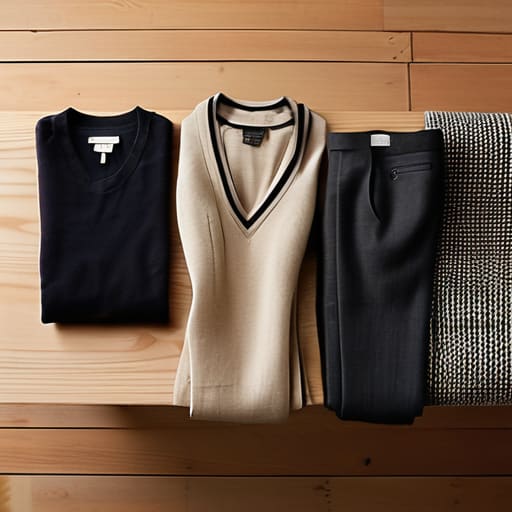
First, stop looking at your closet as a collection of “outfits” and start looking at it as a math equation. When you’re decluttering your closet, don’t just ask if you like the piece; ask how many times a month you can realistically wear it without it hitting the hamper. If you have ten black t-shirts but only three pairs of trousers that actually fit your hips, you don’t have a wardrobe—you have a pile of fabric. Aim for a wardrobe rotation strategy that prioritizes variety in your “bottoms” and “layers” rather than hoarding more of the same basic top.
Next, let’s talk about the actual mechanics of maintenance. You don’t need fifty items to feel “dressed”; you need ten items that are in good repair. Instead of buying more, take that one blazer you love but hate because the sleeves are too long, and spend the twenty quid to get it hemmed. True style is found in the seam allowance, not the price tag. If you focus on high-quality staples and a realistic laundry frequency, you’ll find that a smaller, better-fitting collection actually does more work for you on a Tuesday morning than a mountain of cheap polyester ever could.
Common Mistakes to Avoid
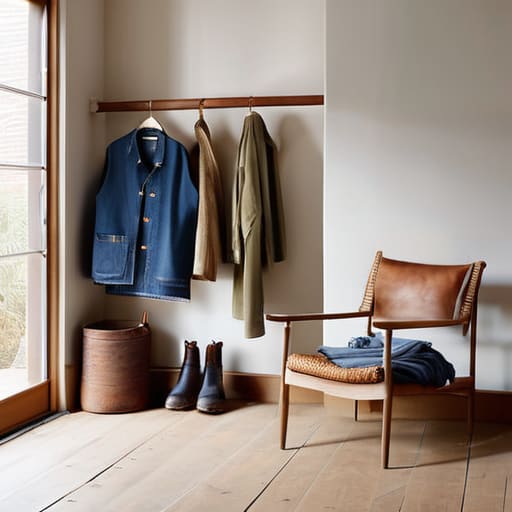
The biggest mistake I see is people treating a capsule wardrobe essentials list like a religious commandment rather than a tool. You’ll see influencers posting these “perfect” 30-item lists, and then you’ll see someone trying to live their actual, messy life in them. If you work a job that requires heavy-duty denim or you’re constantly running errands in the rain, a “minimalist” list that only includes silk slips and lightweight linens isn’t a wardrobe; it’s a costume. Don’t buy into the idea that having fewer items automatically means you have more style. If the items don’t match your actual weekly rhythm, you’re just going to end up rebuying the same basic black T-shirt every three months because the one you “curated” is unwearable for your lifestyle.
Another trap is ignoring the math of fabric care. People go on a massive spree of decluttering your closet only to replace everything with cheap, high-maintenance synthetics that pill after two washes. I see it in the studio all the time: someone buys a “bargain” polyester blend because it looks great on the hanger, but it has zero structural integrity. You end up with a closet full of clothes that look tired by Tuesday. Stop chasing the dopamine hit of a “new look” and start looking at the seam allowance and fiber content instead.
Final Thoughts
Look, I’m not going to give you a magic number that works for everyone, because I don’t care about perfection; I care about whether your clothes actually work for your Tuesday morning commute or your Saturday night out. At the end of the day, building a functional wardrobe isn’t about achieving some aesthetic of emptiness. It’s about a wardrobe rotation strategy that respects your actual life. If you have fifty shirts but only wear five because the others are itchy, poorly cut, or impossible to iron, you don’t have a wardrobe—you have a storage problem.
Stop looking for a life-changing haul and start looking at what’s already hanging in your closet. When you focus on sustainable fashion habits—like choosing better fabrics and knowing when to visit a tailor—you stop the cycle of buying “just in case” items that never see the light of day. Real style isn’t found in a massive pile of clothes; it’s found in the pieces that fit your body, survive the wash, and make you feel like a person instead of a mannequin. Buy less, fix more, and keep it simple.
The Math of a Real Wardrobe: 5 Ways to Stop Overcounting
- Stop counting “outfits” and start counting “wear cycles.” If you have ten tops but three of them are made of a thin, scratchy polyester that loses its shape after one wash, you don’t actually have ten tops. You have seven. Real numbers only include the things that can survive a Wednesday morning and a laundry cycle without falling apart at the seams.
- Use the “Cost Per Wear” formula to kill the word ‘investment.’ If you buy a £200 blazer that you only wear twice a year because the armholes are too tight, that’s £100 a wear. That is a terrible deal. I’d much rather see you buy a £40 vintage wool blazer and spend £30 getting the waist taken in so you can wear it twice a week. That’s £3.50 a wear. Do the maths.
- Audit your “Middle Ground” pieces. Most people have too many “special occasion” items gathering dust and not enough “life happens” clothes. You need a ratio that favors the mundane. If your wardrobe is 80% sequins and 20% basics, you aren’t a person with a wardrobe; you’re a person with a costume trunk. Aim for a majority of pieces that work for a grocery run, a coffee date, or a desk job.
- Respect the seam allowance. When you’re deciding how much you “need,” look at what you already own. If you have five pairs of trousers but none of them actually fit your hips correctly, you don’t need more trousers—you need a tailor. A good hem or a tapered leg costs less than a new pair of jeans and makes what you already own feel brand new.
- The “One In, One Out” rule is actually about fabric weight and volume. If you bring in a heavy, oversized knit, something else has to go to make room. Don’t just look at the number of items; look at the physical space they take up in your life. If your closet is bursting, you aren’t “fashionable,” you’re just managing a storage problem.
The Math of a Real Wardrobe
Stop trying to solve a lack of style by filling a closet; you don’t need forty outfits, you need ten things that actually fit your life and the budget to make sure they don’t look like they were borrowed from a stranger.
Neve Okonkwo-Barr
The Bottom Line
At the end of the day, the number of items in your closet matters significantly less than the utility of those items. We’ve gone through the math: you don’t need a new outfit for every possible social contingency, you just need a core rotation of pieces that actually work for your real, messy, Wednesday-to-Sunday life. Remember that a smaller wardrobe isn’t a deprivation; it’s a strategy. Focus on the fabric weight and the seam allowance, because if you buy things that are built to last and take the extra twenty quid to get the waist nipped or the hem dropped, you’ll stop feeling like you have nothing to wear.
Stop waiting for a “new you” to arrive in a delivery box from a fast-fashion giant. That version of you doesn’t exist, and even if it did, it wouldn’t be any happier with a mountain of polyester that doesn’t fit. Real style isn’t about the volume of your collection; it’s about the confidence of a perfect fit. Build a wardrobe that respects your bank account and your time, and I promise you’ll spend much less energy worrying about your clothes and much more time actually living in them. Now, go look at that pile of “maybe” clothes and decide which ones are actually worth the space.
Frequently Asked Questions
I have a lot of clothes but nothing to wear; does that mean I actually need more, or am I just holding onto things that don't fit right?
It’s almost never a shopping problem; it’s a math and mechanics problem. If you have a full closet but nothing to wear, you’re likely holding onto “ghost clothes”—items that don’t fit your current body or don’t play well with your actual lifestyle. Stop looking for the missing piece and start looking at your seams. Most of that “nothing to wear” feeling can be fixed with a $15 hem or a better understanding of your fabric rotation.
Is it actually cheaper to buy five basic items that need tailoring, or should I just look for the "perfect" piece that fits off the rack?
Buy the five basics. The “perfect” off-the-rack piece is a myth designed to keep you spending. Most high-street sizing follows a generic template that ignores how actual humans move. If you find a high-quality cotton shirt for £20 but the sleeves are an inch too long, spend £12 at a local tailor. Now you have a custom-fit shirt for £32 instead of a £60 “perfect” one that still pulls at the buttons. Do the math.
How do I figure out if a piece is worth keeping if it’s a "special occasion" item that I only wear once a year?
Don’t let “special occasion” be a graveyard for wasted money. If you only wear it once a year, do the math: divide the cost by the number of times you’ll actually use it. If that number is higher than a nice dinner out, don’t buy it. Unless it’s a high-quality fabric like wool or heavy silk that can be tailored to stay perfect for a decade, rent it or thrift it. Don’t let a single night justify a permanent clutter problem.
