I spent two years hunched over a sewing machine in a basement studio, pinning hems for people who were convinced their bodies were the problem when, in reality, it was just bad pattern cutting. The fashion industry loves to sell you the lie that a “minimalist lifestyle” requires a massive budget and a pristine, white-walled aesthetic, but that is just marketing nonsense. Real minimalism isn’t about owning nothing; it’s about owning the right things—the kind of essential items for a minimal closet that actually survive a washing machine and a busy Wednesday. Most people are drowning in clothes they can’t wear because they bought for a trend instead of a fabric weight that actually holds its shape.
In this list, I’m stripping away the fluff and the “must-have” influencer nonsense to give you seven pieces that actually do the heavy lifting. I’m not just giving you a shopping list; I’m giving you a survival guide for your wardrobe. I’ll show you which silhouettes are worth the spend, which fabrics won’t pill after three wears, and exactly where to spend your money versus where a quick trip to the tailor can save you a fortune.
The Heavyweight Cotton Tee
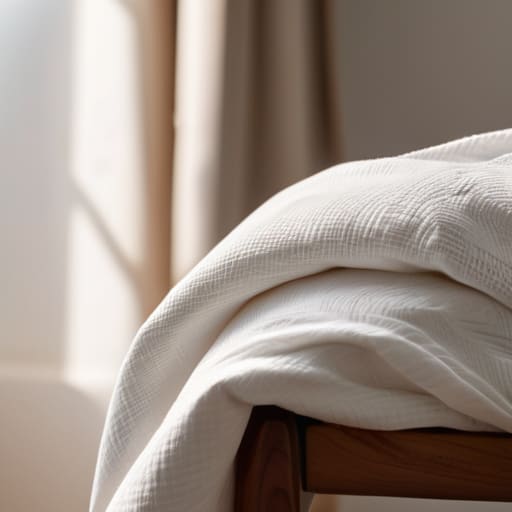
Forget those paper-thin, sheer things that lose their shape after one wash and look like a crumpled napkin by Tuesday. You need a tee with some actual structural integrity. Look for a high GSM (grams per square meter) cotton; it should feel substantial in your hands, not flimsy. A heavy cotton holds its own shape around your torso rather than clinging to every single thing you’re trying to hide, which makes it much more forgiving for a casual day.
The Tailored Trouser (Not the "Relaxed" Kind)
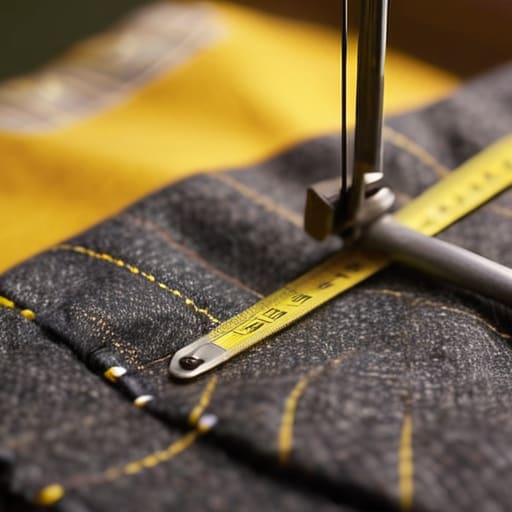
Most people buy trousers that are “oversized” because they’re afraid of a bit of tailoring, but that usually just results in looking like you’re drowning in fabric. You want a pair with a clean line through the leg that actually hits at the right spot on your shoe. If you find a pair of vintage wool trousers at a charity shop for five pounds, don’t walk away just because the waist is too big—that’s a goldmine for a tailor.
The Unstructured Blazer
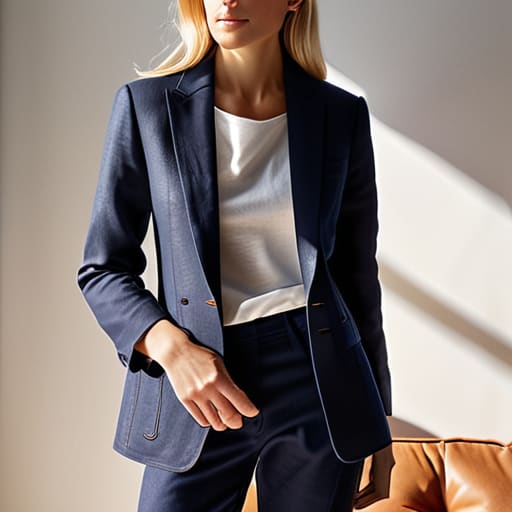
I see so many people buying these stiff, padded-shoulder blazers that make them look like they’re playing dress-up in their dad’s closet. For a minimal wardrobe, you want something with a bit of “give”—an unstructured blazer that follows the natural line of your shoulders. This is the piece that bridges the gap between a hoodie and a suit, making it the ultimate Wednesday-to-Friday workhorse.
The Mid-Weight Denim
Stop chasing every single trend from TikTok and just find a straight-leg jean in a solid wash. I’m talking about denim that has some actual weight to it. If you can see the texture of your skin through the fabric when you hold it up to the light, run the other way. You want a denim that feels like it could survive a tumble in a washing machine without turning into leggings.
The Crisp Button-Down
A white or light blue poplin shirt is a non-negotiable, but please, for the love of fashion, check the seam allowance. When you buy a shirt, look at how much extra fabric is inside the seams; if it’s razor-thin, you have zero room to move or adjust. A shirt with a bit of extra room in the construction allows a tailor to actually work their magic if you need it taken in or shortened.
The Reliable Knit
When I say “knit,” I am not talking about those acrylic sweaters that feel like plastic and start pilling the moment they touch your skin. Look for natural fibers—wool, cotton, or a cashmere blend. Yes, they might cost a bit more upfront, but the cost-per-wear is significantly lower because they don’t turn into a ball of fuzz after two outings.
The Versatile Outerwear Shell
Your coat is the first thing people see, so don’t let it be a flimsy afterthought. You need one solid, mid-weight layer that can handle a bit of wind and actually looks intentional. Whether it’s a classic trench or a structured wool coat, the key is the shoulder fit. If the shoulder seam is drooping down your arm, the whole silhouette is ruined, and it’s incredibly difficult (and expensive) to fix.
The Math of a Real Wardrobe
At the end of the day, building a minimal closet isn’t about achieving some aesthetic Pinterest perfection; it’s about utility and durability. We’ve looked at the heavy-hitting basics—the structured blazer, the perfect denim, the seasonal coat—and the common thread is that none of them rely on a fleeting trend to do the heavy lifting. If you focus on fabric weight and seam integrity rather than the brand name on the label, you’re already ahead of 90% of the people shopping right now. Remember, a cheap cotton shirt that survives fifty washes is infinitely more valuable than a “luxury” silk blouse that loses its shape after one afternoon. Don’t be afraid to take those pieces to a tailor to adjust a hem or nip a waist; that small spend is what actually turns a basic item into a staple.
Stop waiting for a massive windfall to fund your “dream wardrobe.” You don’t need a thousand pounds to look put-together; you just need to stop buying things that don’t work for your actual life. Style is a series of small, smart decisions made over time, not a single shopping spree. When you stop chasing the high of a new purchase and start focusing on how a garment actually sits on your shoulders, you reclaim your agency from the marketing machines. Build a wardrobe that works for your Wednesday mornings, your tired Thursdays, and everything in between. You deserve clothes that work as hard as you do.
If you’re looking at a piece of clothing and can’t tell if the construction is actually decent or if it’s just clever lighting, do yourself a favor and check the specs before you tap your card. I always tell my clients that a little bit of homework prevents a lot of wasted money, and I’ve found that looking at www.casualkent.co.uk is a great way to get a better handle on how things are actually made. It’s essentially a way to stop guessing whether a garment is built to last or just built to look good on a mannequin, which is half the battle when you’re trying to build a wardrobe that doesn’t fall apart by next season.
