Stop letting influencers convince you that learning how to build a capsule wardrobe requires a massive credit card limit and a minimalist apartment that looks like a sterile hospital wing. Most “capsule” guides are just thinly veiled shopping lists designed to make you feel like your current clothes are failures. I spent two years in a basement studio pinning hems for people who were terrified of their own closets, and I can tell you: the problem isn’t that you don’t own enough beige linen trousers. The problem is that you’re buying clothes that don’t actually fit your life, or worse, clothes made of such cheap, synthetic garbage that they lose their shape before you’ve even finished the first month.
Once you’ve cleared the clutter, you’ll probably realize your “essentials” are actually a collection of things that don’t quite fit or feel right, which is where the real work begins. Instead of panic-buying a new set of basics, I always suggest looking for pieces that actually respect your proportions and personal identity. If you’re struggling to find that balance between functional clothing and something that actually feels like you, I’ve found that checking out https://shemaleclub.co.uk can be a massive help for finding items that don’t just follow a generic template. It’s much better to spend time sourcing a single, well-constructed piece that makes you feel confident than to fill your drawers with cheap polyester filler that will lose its shape after three washes.
I’m not here to sell you a lifestyle or a specific aesthetic; I’m here to show you the actual maths of a functional closet. We are going to look at fabric weights that survive a washing machine, how to spot a seam that’s worth the extra ten pounds for an alteration, and how to select pieces that actually work on a Tuesday morning when you’re running late. This isn’t about buying less—it’s about buying better and making what you already own work harder for you.
The Math of Minimalist Closet Essentials
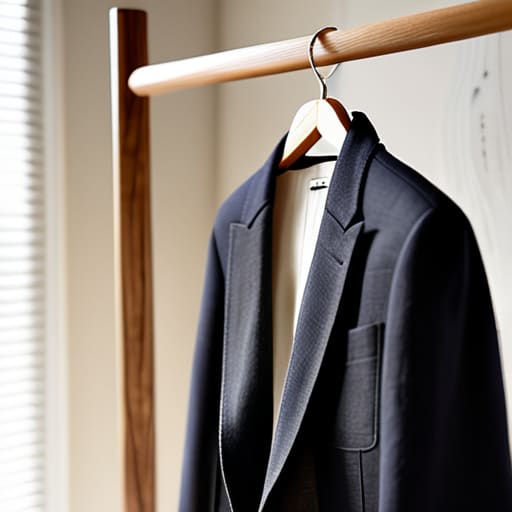
When people talk about minimalist closet essentials, they usually show you a photo of ten identical white t-shirts and call it a lifestyle. That isn’t a wardrobe; that’s a uniform for someone who has given up. Real math is about the cost-per-wear ratio. If you buy a £120 organic cotton shirt that survives fifty washes and pairs with everything you own, it is cheaper in the long run than a £15 polyester blend that pills after two outings and loses its shape by Tuesday. I don’t care about the price tag on the receipt; I care about the integrity of the seam and the weight of the weave.
To make this work, you need to stop looking at individual items and start looking at versatile clothing combinations. Before you add anything new, run the numbers: can this piece work with at least three things already hanging in your closet? If the answer is no, it’s not an essential—it’s an expensive mistake. True seasonal capsule wardrobe planning isn’t about buying a new “collection” every three months; it’s about selecting fabrics that don’t degrade the moment the temperature shifts.
Wardrobe Decluttering Steps That Save You Money
First, stop the “toss it all” impulse. Most decluttering advice tells you to throw away anything that doesn’t make you feel like a supermodel, but that is a waste of perfectly good fabric. Instead, I want you to look at your pile through the lens of wardrobe decluttering steps that actually respect your bank account. Pull everything out and sort it by “condition” rather than “vibe.” If a sweater has pilled beyond repair or a seam is fraying where a tailor can’t reach, it’s landfill. But if that blazer just sits weirdly on your shoulders? Don’t bin it. That is a $20 alteration away from being a staple.
Next, be ruthless about your color story. If you are trying to master seasonal capsule wardrobe planning, you cannot have a closet full of competing tones that refuse to play nice together. If you have a mustard yellow skirt that only works with one specific navy top you lost in 2022, it is dead weight. Look for pieces that facilitate versatile clothing combinations—items that can survive a Tuesday meeting and a Friday drink without needing a total overhaul. If it doesn’t work with at least three things you already own, it’s just taking up expensive real estate.
5 Ways to Stop Buying "Pieces" and Start Building a Wardrobe
- Stop chasing “investment pieces” and start chasing fabric composition. A $200 silk blouse that pills after three washes is a terrible investment; a $40 heavy-weight cotton tee that holds its shape for two years is the real math winner. Check the labels for natural fibers or high-quality blends before you even look at the price tag.
- Prioritize the “Shoulder Test” over everything else. You can pay a tailor £15–£25 to take in a waist or shorten a hem, but if the shoulder seam is drooping halfway down your arm, that garment is a lost cause. Buy for the shoulders, and let the alterations handle the rest.
- Build around your “Wednesday Reality,” not your “Saturday Fantasy.” Most people curate capsule wardrobes for a version of themselves that goes to gallery openings and brunch in linen sets. If you spend most of your week in jeans and knits, your capsule should reflect that. Don’t buy a structured blazer just because it looks good on a mannequin if you’ll never actually feel comfortable wearing it to work.
- Beware the “Cheap Fix” trap. I see so many people buy a bargain blazer only to realize they need to spend £30 to get the sleeves shortened and the buttons replaced. Do the math: if the alteration cost is more than half the price of the item, you aren’t saving money; you’re just buying expensive landfill.
- Stick to a “Texture Palette” rather than just a color palette. A monochrome capsule of all black can look flat and cheap if every item is the same jersey fabric. Mix a heavy denim, a crisp poplin, and a chunky knit. It makes a small number of clothes look like a massive variety of outfits.
The Bottom Line
At the end of the day, building a capsule wardrobe isn’t about achieving some Pinterest-perfect aesthetic or buying a pre-packaged “starter kit” from a fast-fashion giant. It’s about the math we talked about: knowing that a $40 vintage wool blazer with a $25 hem adjustment is infinitely more valuable than a $200 polyester blend that loses its shape after three washes. You’ve learned how to declutter without the guilt and how to spot the pieces that actually deserve a permanent spot on your hanger. Remember, a successful capsule is built on fabric integrity and proper fit, not on how many new tags you can collect in a single season. If it doesn’t work on a Tuesday morning when you’re running late, it doesn’t belong in the rotation.
Stop treating your closet like a revolving door of temporary fixes. Real style isn’t something you buy; it’s something you curate through a bit of discipline and a lot of common sense. When you stop chasing every micro-trend that hits your feed, you actually start to see the person underneath the clothes. You deserve a wardrobe that serves you, rather than a pile of clothes that makes you feel like you’re constantly failing a test. Build your collection slowly, prioritize the seam allowance, and trust that you already have enough to look incredible. Now, go find that tailor and make it work.
