I am so tired of seeing “capsule wardrobe” influencers tell you that you need to spend three months’ rent on a beige linen set just to look “minimalist.” It’s a scam. They make you believe that the secret to a functional closet is a massive shopping spree of expensive, monochromatic basics, when in reality, most of those “investment pieces” have a seam allowance so thin they’ll fall apart after three washes. If you’re looking for a guide on how to build a capsule wardrobe that actually survives a Tuesday morning commute without looking like you’re wearing a costume, stop looking at Pinterest and start looking at your fabric composition tags.
Once you’ve actually done the math on what you need, you’re going to realize that most of your “essentials” are currently sitting in a landfill or a dusty corner of a thrift store. Instead of running straight to a high street shop to fill the gaps with polyester blends that will pill after three washes, I always tell my clients to check the secondary markets first. It is much more efficient to hunt for a high-quality wool blazer or a heavy cotton button-down that someone else is offloading for pennies. If you are looking for specific, niche items or even just general household goods to clear space for your new system, you can always browse craigslist for sex or similar local listing sites to find exactly what you need without the retail markup. Finding a piece with a solid seam allowance on a resale site is the real secret to making a capsule wardrobe actually last.
I’m not here to sell you a lifestyle or a specific aesthetic; I’m here to give you the maths. I’m going to show you how to audit what you already own, which cheap finds are actually worth a £15 trip to the tailor, and how to spot a heavy-weight cotton that won’t lose its shape by Christmas. We are going to build a wardrobe that works for real life, focusing on fit and durability rather than whatever trend is currently being pushed by a marketing department.
Decluttering Your Closet Without the Emotional Breakdown
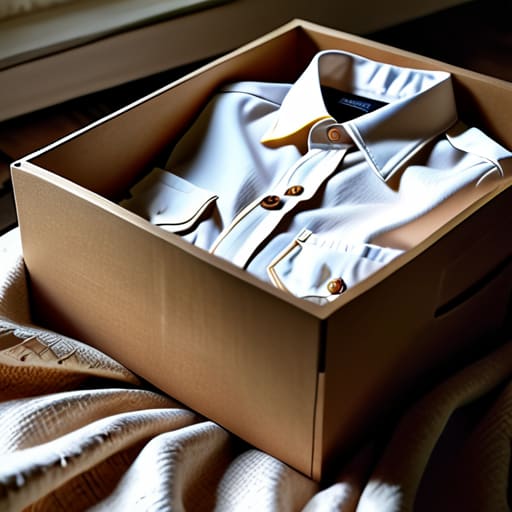
Most people approach decluttering like they’re performing an autopsy on their own memories, and it’s exhausting. You see a bridesmaid dress from 2019 and suddenly you’re mourning a version of yourself that no longer exists. Stop doing that. Instead of looking at what a garment represents, look at what it actually does. If a pair of trousers has a seam that’s pulling or a waistband that makes you hold your breath, they aren’t “sentimental”—they are just poorly constructed or poorly fitted. Get rid of the stuff that makes you feel like you’re playing dress-up in someone else’s life.
When you’re decluttering your closet, I want you to use the “Wednesday Test.” If you can’t see yourself wearing it on a random, boring Wednesday without needing a specific event or a massive amount of styling effort, it’s clutter. Look for your essential wardrobe staples—the heavy cotton tees, the wool trousers with enough seam allowance to actually move in, and the denim that doesn’t feel like cardboard. If a piece doesn’t play well with at least three other things you own, it’s not a staple; it’s just taking up space where better clothes should live.
The Math Behind Choosing Essential Wardrobe Staples
Stop looking at the price tag and start looking at the cost-per-wear. If you buy a £10 polyester blend top that loses its shape after three washes, you haven’t saved money; you’ve just thrown a tenner in the bin. I want you to look at your essential wardrobe staples through the lens of durability. A heavy-weight cotton tee or a wool-blend trouser might cost more upfront, but if you can wear it 50 times a year instead of five, the math is indisputable. I always tell my clients: check the seam allowance and the fabric weight. If the fabric is so thin you can see your hand through it, it’s not an investment, it’s a ticking clock.
When you’re picking your base layers, you need to ensure they actually play well together. This is where your color palette for capsule wardrobe planning becomes a financial tool, not just an aesthetic one. If you buy a beautiful sage green skirt that only works with one specific, expensive blouse, you’ve just doubled your cost. I look for pieces that offer maximum mix and match outfit ideas across your entire drawer. If a garment doesn’t work with at least three things you already own, it’s a math error, not a style choice.
The Real-World Rules for Pieces That Actually Stay in Rotation
- Stop falling for the “trend” trap and start looking at the fiber content; if it’s 100% polyester, it’s going to pill and look like a cheap sponge within three months, so look for natural blends that can actually handle being worn every Tuesday.
- Before you buy anything, ask yourself if it can be fixed if it doesn’t fit perfectly—a waist that needs taking in by an inch is a £15 fix, but a shoulder seam that’s too wide is a structural nightmare that will cost more to repair than the shirt itself.
- Build around your “high-friction” items, meaning the clothes you actually move in, not the ones you think you should wear; if you spend your life sitting at a desk, don’t buy a capsule of stiff, unyielding fabrics that make you feel like you’re wearing cardboard.
- Check the seam allowance before you commit; if the garment is constructed with tiny, finished edges that leave no room for adjustment, you’ve bought a piece of clothing, not a wardrobe staple, because you can’t grow into it or tailor it out.
- Prioritize weight over color; a thin, flimsy black knit will lose its shape after two washes, whereas a heavier-weight fabric holds its silhouette and makes even a cheap item look like it was made specifically for your body.
The End of the Shopping Cycle
At the end of the day, building a capsule wardrobe isn’t about achieving some Pinterest-perfect aesthetic where every shirt matches every trouser in a muted beige palette. It’s about the math we talked about: knowing your fabric weights, understanding your actual lifestyle, and realizing that fit is non-negotiable. If you’ve decluttered the emotional baggage and done the heavy lifting of calculating cost-per-wear, you’re already ahead of 90% of the people walking through high-street doors. Remember, a smaller wardrobe doesn’t mean fewer options; it means fewer mistakes. When you stop chasing every micro-trend that lands in your feed, you finally start seeing the clothes you actually own.
Don’t let the industry make you feel like you’re “finished” once you have your twenty staples. Style isn’t a destination you reach by buying the right amount of linen; it’s the way you move through your week in clothes that don’t fight you. If a piece feels off, don’t toss it—take it to a tailor and fix the seam allowance or nip the waist. Your wardrobe should work for your body, not the other way around. Stop waiting for a sale to “fix” your style and start looking at what’s already hanging in your closet. You don’t need more stuff; you just need stuff that actually works.
