I spent two years in a cramped basement studio pinning hems for a bridal shop, and if there is one thing I learned, it’s that the fashion industry is lying to you. They want you to believe that “style” is something you purchase in a shiny bag, but that’s just a way to keep you spending. Most “budget” advice tells you to hunt for specific pieces, but they never mention that a cheap shirt with a bad shoulder seam will always look worse than a second-hand blazer that actually fits. If you are trying to figure out how to build a wardrobe on a low budget, stop looking at the price tag and start looking at the fabric composition and the seam allowance.
I’m not here to give you a list of aesthetic trends that will be dead by next Tuesday. Instead, I’m going to show you the actual maths of dressing yourself well. We are going to talk about which fabrics survive a washing machine, which high-street items are worth the £15 alteration fee, and how to spot a quality construction from across the room. This isn’t about buying more; it’s about making what you own work for a Wednesday without breaking the bank.
Stop Shopping for Style How to Build a Wardrobe on a Low Budget
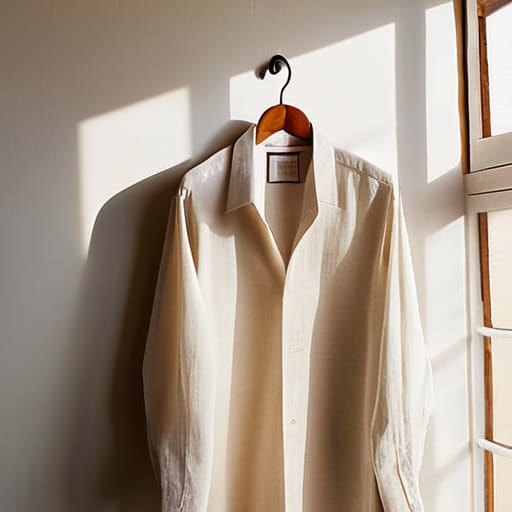
The biggest lie the industry tells you is that a “new look” requires a new transaction. We’ve been conditioned to think that if we don’t have the latest drop, we’re failing at style. But style isn’t about what you buy; it’s about how the clothes interact with your actual, living body. Most people spend hundreds on “fast fashion” pieces that look great on a mannequin but pull at the hips or sag at the shoulders the moment you move. Instead of chasing trends, start looking at your cost per wear calculation. A £40 heavy-weight cotton shirt that you wear twice a week for three years is infinitely cheaper—and looks infinitely better—than a £15 polyester top that loses its shape after two washes.
If you want to actually move the needle, stop looking for “outfits” and start hunting for construction. When you’re out there, ignore the brand name and look at the seams. Is there enough seam allowance to let it out if you change? Is the fabric dense enough to hold its shape? This is the secret to sustainable fashion on a budget: buying pieces that are built to survive a washing machine and a lifetime of minor tweaks.
The Math of Style Mastering Your Cost Per Wear Calculation
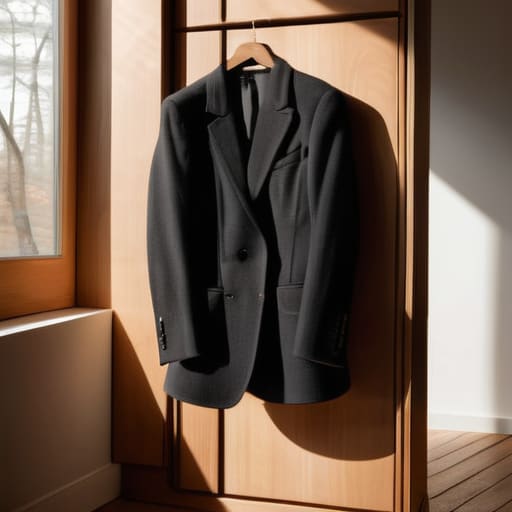
Listen, I’m going to do something that feels slightly illegal in the world of fast fashion: I’m going to make you do some basic math. Most people see a £15 polyester top and think it’s a steal. But if that top loses its shape after three washes, or the seams start puckering by the time you’ve worn it twice, you haven’t saved money—you’ve just wasted fifteen quid. This is where the cost per wear calculation becomes your best friend. If you buy a sturdy, second-hand wool blazer for £40 and wear it every single Tuesday for the next two years, that’s pennies per outing. Compare that to the “cheap” trend piece that ends up in a landfill by next month, and the math tells a very different story.
When you’re looking for smart clothing investments, stop looking at the price tag in isolation and start looking at the fabric composition and the construction. A heavy cotton or a decent blend will survive the agitation of a washing machine much better than something sheer and flimsy. I always tell my clients: if you can’t afford the “investment” piece brand new, go find the high-quality version at a charity shop and budget an extra ten pounds to have the waist nipped in. That is how you actually build a wardrobe that lasts.
Beyond the Hanger Why Capsule Wardrobe Essentials Require Better Fit
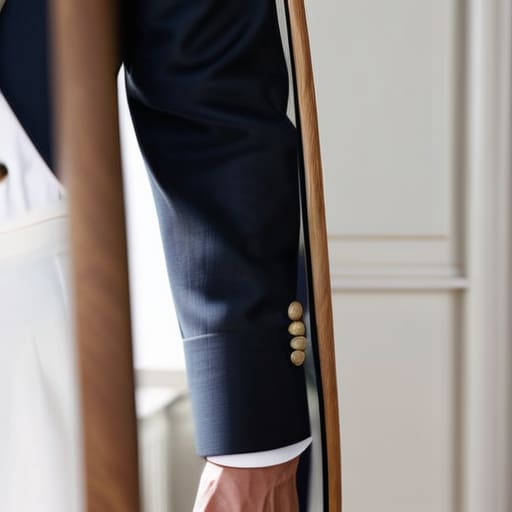
The problem with most “capsule wardrobe essentials” lists is that they focus entirely on the what and never the how. You can buy the most aesthetically pleasing white linen shirt or the perfect navy blazer, but if the shoulder seam is dropping two inches too low or the waist is pooling like a wet sponge, it’s just expensive clutter. A capsule wardrobe only works if the pieces actually play nice together, and they won’t do that if the silhouette is fighting your body.
When you are building a timeless closet, you have to stop looking at the garment as a finished product and start seeing it as a rough draft. I see people spend forty quid on a “basic” knit that looks sloppy because the tension in the knit is cheap, and then they wonder why they don’t feel stylish. Instead, look for structural integrity. If you find a high-quality wool blend at a charity shop that is slightly too big, don’t walk away. That’s not a fail; that’s a win. For about £15 to £20, a tailor can take in those side seams and turn a “maybe” into your new favorite piece.
Smart Clothing Investments Finding Fabric That Actually Survives
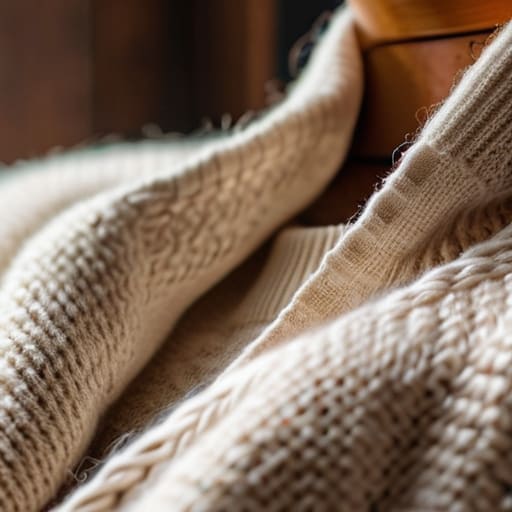
If you want to stop the cycle of buying a shirt in September only to have it look like a dishcloth by February, you have to stop looking at the brand name and start looking at the composition tag. Marketing will try to sell you “luxury” blends that are actually 80% polyester, which is basically just wearing a glorified plastic bag. Polyester doesn’t breathe, it pills after three washes, and it holds onto smells like a sponge. If you are looking for smart clothing investments, look for natural fibers like cotton, wool, or linen. Even if you’re thrift store shopping, a 100% wool sweater is a better bet than a “soft-touch” acrylic one that will lose its shape before you’ve even finished your first month of ownership.
The real secret to sustainable fashion on a budget isn’t just buying less; it’s buying things that can actually withstand being laundered. Heavyweight denim, tightly woven cotton poplin, and real wool are your best friends because they have the structural integrity to handle a tailor’s needle. When a fabric has weight and a tight weave, it holds the shape you’ve paid to have it altered. Cheap, thin fabrics are a nightmare to fix because once you take them in, the seams tend to pull and pucker, making the whole garment look cheap and tired regardless of how much you spent on the fitting.
Thrift Store Shopping Tips for Building a Timeless Closet
When you walk into a charity shop, ignore the “new arrivals” rack that’s just a pile of polyester fast-fashion rejects. If you want to succeed at building a timeless closet, you have to look for the bones of a garment. I’m talking about the heavy wools, the thick cotton poplins, and the silk blends that feel substantial in your hands. My grandmother used to say if you can’t feel the weight of the fabric, you’re just buying a future rag. Check the seams and the armholes; if the construction is solid, even a slightly dated silhouette can be rescued with a quick trip to my sewing machine.
Don’t get distracted by “vintage” labels that are just clever marketing. Real sustainable fashion on a budget happens when you find a high-quality piece that’s just a little too big and realize you can spend £15 to have the waist taken in. That’s the secret: buy the quality, then pay for the fit. I’ve seen people pass up incredible cashmere sweaters because the shoulder was an inch too wide, but that’s a mistake. A tailor can fix a shoulder, but they can’t fix cheap, thin fabric that pills after three washes.
The Real-World Toolkit: 5 Ways to Stop Draining Your Bank Account
- Check the seam allowance before you buy. If you find a gorgeous vintage blazer at a charity shop but the seam allowance is razor-thin, you’re stuck with that fit forever. I always look for that extra bit of fabric inside the hem or the side seams; it’s the difference between a garment that can be adjusted to your body and one that’s a dead end.
- Learn the “Shoulder Rule” for tailoring. You can fix a waist, you can shorten a hem, and you can take in a sleeve, but if the shoulder seam is drooping halfway down your arm, walk away. Fixing a shoulder is a structural nightmare that costs more than the shirt is worth. Save your money for pieces that already sit right on your frame.
- Prioritize natural blends over “mystery” synthetics. If a tag says 100% polyester, it’s basically wearing plastic, and it’ll start pilling or smelling like a gym bag within three months. Look for cotton, linen, or wool blends. They breathe better, they hold a shape longer, and most importantly, they actually respond to an iron instead of melting under it.
- Budget for the “Tailor Tax.” When you see a piece for £20, don’t assume it costs £20 to own. If it needs a £15 hem or a £10 waist nip, that’s a £30 item. I tell my clients to factor this in immediately. It’s better to buy a £30 item that fits like a glove than a £10 item that makes you look like you’re wearing a sack.
- Master the art of the “Mid-Week Test.” Before you commit to a new piece, ask yourself: “Can I wear this on a rainy Tuesday when I have three meetings and a grocery run?” If the answer is no because it’s too precious, too itchy, or too difficult to care for, it’s not a wardrobe builder—it’s just more clutter you can’t afford to wear.
The Real Cost of a 'Cheap' Wardrobe
Stop looking at the price tag and start looking at the seam allowance; a £10 shirt that pulls at the buttons is actually more expensive than a £30 one that you can spend £8 to tailor so it actually sits on your shoulders the way it’s supposed to.
Neve Okonkwo-Barr
The Reality Check
Look, building a wardrobe that doesn’t break the bank isn’t about finding some magical “sale” section; it’s about changing how you look at a garment before you even reach the till. We’ve covered the math—calculating your cost per wear so you aren’t just buying expensive landfill. We’ve talked about hunting for natural fibers that won’t pill after three washes and why a twenty-pound thrifted blazer becomes a hundred-pound look once you pay a tailor to nip in the waist. The goal is to stop being a victim of marketing and start being a curator of your own life. Remember: a cheap item that fits perfectly and lasts three years is always a better investment than a luxury piece that sits in your closet because the shoulders are two inches too wide.
At the end of the day, style isn’t a transaction, and it certainly isn’t a status symbol you can buy off a mannequin. It is the quiet confidence of knowing that when you pull on your favorite trousers on a rainy Wednesday morning, they actually stay where they are supposed to. You don’t need a massive budget to look intentional; you just need a bit of patience, a keen eye for seam allowance, and the refusal to let a brand tell you what you’re worth. Stop waiting for a windfall to fix your closet. Start with what you have, fix what you can, and buy things that are built to endure.
Frequently Asked Questions
I found a great vintage blazer for ten pounds, but the shoulders are too wide; is it actually worth paying for an alteration, or should I just leave it?
Ten pounds for a vintage blazer is a steal, but those shoulders are the boss. If the shoulder seam is hanging off your arm, you’re looking at a structural rebuild, not a quick tweak. That’ll likely cost you £30–£50 because a tailor has to deconstruct the sleeve head. Do the math: is a £60 blazer worth it? If the fabric is heavy wool and the pattern is killer, yes. If it’s polyester poly-blend? Leave it.
How can I tell if a cheap polyester blend is going to pill and fall apart after three washes, or if it's actually decent enough to keep?
Don’t just look at the price tag; grab the fabric and give it a tight, quick squeeze. If it bounces back instantly, it’s likely a high-tension synthetic that’ll pill the second it rubs against your bag. Next, check the knit density. Hold it up to the light—if you see uneven gaps or “slubs” in a cheap blend, those are weak points where the fibers will snap and fuzz up. If it feels thin and scratchy, walk away.
If I'm trying to build a wardrobe from scratch on a tight budget, should I prioritize buying a few "better" basics or more frequent trips to the charity shops?
Go to the charity shops first, but shop with a tailor’s eye. Don’t hunt for “brands”; hunt for fabric weight and seam allowance. A high-quality wool blazer from a thrift bin is a better foundation than a “premium” polyester blend from a high-street shop. Use the money you save on those secondhand gems to pay for the alterations. One perfectly fitted, $10 thrifted trouser beats five cheap ones that bunch at the ankles every single time.
