Stop letting Pinterest boards tell you that “finding your aesthetic” requires a massive credit limit and a complete identity overhaul. Most of these online guides treat style like a costume you buy in bulk, promising that if you just hoard enough beige linen or specific vintage silhouettes, you’ll finally feel like yourself. It’s nonsense. I spent two years in a basement studio pinning hems for people who were terrified of their own bodies, and I can tell you that your “aesthetic” isn’t a collection of trending items; it’s actually just a series of decisions about fabric weight, seam placement, and how much you’re willing to pay a tailor to make a garment actually behave. If you’re looking for a guide to finding your personal style aesthetic that involves buying a whole new wardrobe, you’ve come to the wrong place.
Instead, I’m going to show you how to stop shopping for a personality and start dressing for your actual life. We aren’t going to talk about “vibes”; we are going to talk about utility. I’ll teach you how to audit what you already own, identify the fabrics that won’t pill after three washes, and understand exactly where an alteration becomes worth the cost. This is a practical roadmap for building a look that works on a Wednesday, not just for a curated photo dump.
Stop Collecting Trends Identifying Fashion Archetypes That Actually Last
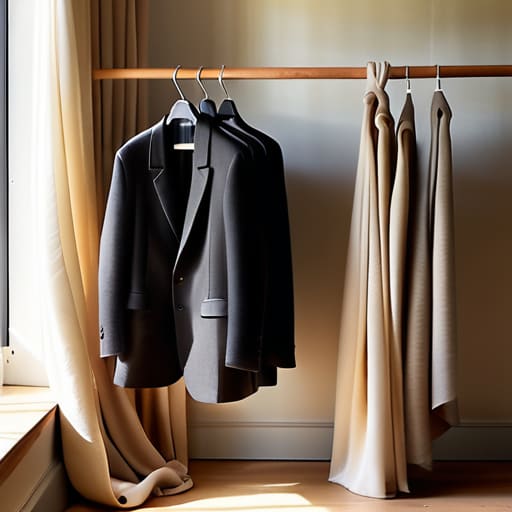
The reason your closet feels like a graveyard of “what was I thinking?” moments isn’t because you lack taste; it’s because you’re shopping for a mood rather than a framework. When you buy a piece just because it’s trending on your feed, you’re essentially renting a personality that expires in six weeks. Instead of chasing the latest micro-trend, you need to start identifying fashion archetypes that actually align with how you move through the world. Are you the person who needs structured, heavy wools to feel put-together, or do you live in soft, draped jerseys because rigid seams make you feel trapped?
Once you know your silhouette preferences, finding your signature look becomes a matter of logic rather than luck. Stop looking at individual items and start looking at the ratio of your clothes. If your “vibe” is minimal and architectural, a sudden impulse buy of a boho-print chiffon blouse is going to sit in your drawer gathering dust because it doesn’t speak the same language as your existing pieces. Build around a foundation of shapes, not just colors, so that everything you own actually wants to be worn together.
Curating a Mood Board for Style Over a Shopping Cart
Most people treat Pinterest like a digital shopping mall, pinning “outfit inspo” that is basically just a collection of high-end ads. That is a mistake. If your mood board is just a series of expensive items you’ll never actually wear on a Tuesday morning, you aren’t curating a mood board for style; you’re just window shopping with extra steps. Instead, stop looking at the brand names and start looking at the architecture of the clothes. Are you drawn to structured wools and sharp lapels, or are you pinning soft, draped knits that move with you?
When you are identifying fashion archetypes, look for the common threads in the textures and silhouettes, not the price tags. I want you to find the “why” behind the image. Is it the way a high-waisted trouser hits the hip, or the specific weight of a denim jacket? Once you spot those patterns, you can stop chasing the “aesthetic” of the month and start looking for pieces that actually serve your life. A mood board should be a blueprint for how you want to feel in your clothes, not a wishlist for a life you don’t lead.
The Real-World Checklist: How to Build a Style That Actually Works on a Wednesday
- Stop chasing the ‘vibe’ and start checking the fiber content; if it’s 100% polyester, it’s going to trap heat, pill by Tuesday, and look cheap regardless of how many ‘aesthetic’ Pinterest boards you have.
- Look at your current favorite piece and find the seam allowance—if it’s a high-quality garment, there’s enough fabric in the hem or the side seams to let a tailor take it in or let it out, making it a versatile piece rather than a one-hit wonder.
- Evaluate your lifestyle through the lens of fabric weight, not just color; if you spend your life in an air-conditioned office or walking to the bus in the rain, a flimsy, lightweight ‘trend’ fabric is just going to make you miserable and uncomfortable.
- Learn the ‘Cost-to-Fix’ ratio before you tap your card; if a vintage blazer has incredible structure but the sleeves are too long, factor in that £15–£20 for a quick hem—if the math still works, it’s a win.
- Build around your ‘anchor’ silhouettes—the specific shapes that don’t make you want to tear your clothes off five minutes after putting them on—because once you know your proportions, you can stop guessing and start selecting.
Stop Searching, Start Sorting
Look, finding your “aesthetic” isn’t about scouring Pinterest until your eyes bleed or buying a whole new capsule collection because some influencer told you that beige is your new personality. It’s about the stuff we’ve actually talked about: recognizing the archetypes that don’t make you feel like you’re wearing a costume, building mood boards that prioritize feeling over shopping, and finally understanding that a garment only works if it actually fits the body you have today. If you can identify the silhouettes that make you feel capable and the fabrics that won’t pill after a week, you’ve already done more work than most people spend a lifetime doing. Remember, a well-tailored thrift store find will always beat a poorly fitted “trend” piece, and the math of a good wardrobe is always found in the longevity of the seams, not the prestige of the label.
At the end of the day, your style shouldn’t be another chore on your to-do list or a way to perform for an algorithm. It’s just the way you present yourself to a Wednesday morning. Stop waiting for a permission slip from a magazine to decide who you are; just look at what you already own, see what survives the wash, and fix what doesn’t work. You don’t need a bigger budget to have better style; you just need a sharper eye and perhaps a very good local tailor. Now, go put on something that actually fits.
Once you’ve moved past the Pinterest-induced trance and actually understand the silhouettes that make you feel like a human being rather than a mannequin, you need to start looking at how your clothes interact with your actual life. It’s easy to get lost in the theory, but I always tell my clients to ground their aesthetic in reality by checking out resources like Sexschweiz Ch online to see how different vibes translate into real-world contexts. If you can’t visualize how a specific texture or cut holds up when you’re actually out in the world, it doesn’t matter how good it looks on a mood board; it’s just expensive clutter waiting to happen.
