Stop letting influencers convince you that learning how to find your personal style requires a massive credit limit and a closet full of “aesthetic” capsules. It’s a total scam. I spent two years in a basement studio pinning hems for people who were convinced they were “the wrong size” when, in reality, they were just wearing the wrong fabric weight for their frame. You don’t need a new wardrobe; you need to stop treating your clothes like disposable props and start understanding how they actually interact with your body.
I’m not here to give you a mood board or tell you to buy a specific shade of sage green because it’s trending on TikTok. Instead, I’m going to show you the actual math of a functional wardrobe. We are going to talk about why a $15 seam allowance is better than a $150 “must-have” top, how to spot a quality shoulder seam in a charity shop, and how to build a rotation that actually works on a Tuesday morning. This isn’t about shopping; it’s about making what you own work for you.
Identifying Your Fashion Aesthetic Through Fabric and Form
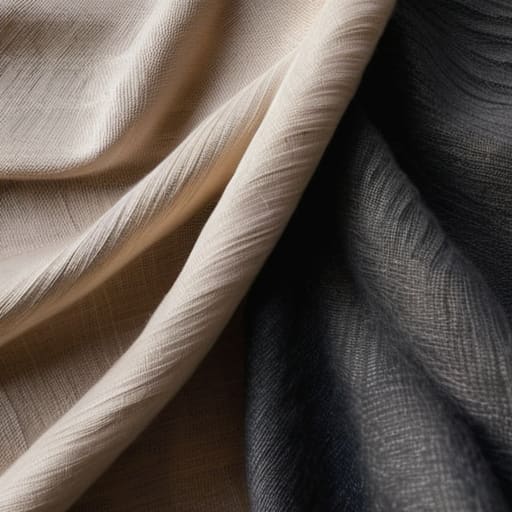
Forget the mood boards filled with blurry Pinterest photos of “vibes.” If you want to actually succeed at identifying your fashion aesthetic, you need to stop looking at the mood and start looking at the construction. I spent two years in a basement studio looking at the underside of garments, and I can tell you that your “style” is usually just a preference for specific weights and textures. Do you gravitate toward heavy, structured wools that hold a shape, or are you constantly reaching for fluid, lightweight silks that move with you? One is architectural and rigid; the other is soft and organic. You can’t build a coherent look if you’re mixing a stiff, heavy denim aesthetic with delicate, sheer organza without a very specific plan.
This is where the real work of curating a signature look begins: understanding how fabric interacts with your frame. Instead of obsessing over trends, look at the seams. Do you like a sharp, tailored shoulder that creates a clear line, or do you prefer the way a soft jersey drapes over your curves? Once you realize you actually prefer structure over drape, you stop buying those flowy “aesthetic” dresses that make you feel shapeless and start looking for the pieces that actually hold their own.
How to Dress for Your Body Type Without Buying More
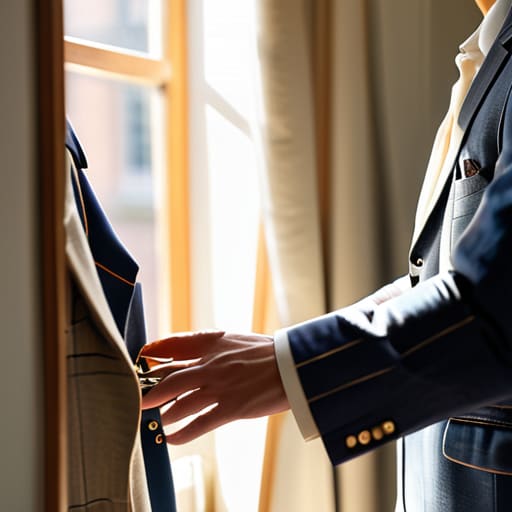
The industry loves to sell you “body shape guides” that basically tell you to hide your curves or sharpen your angles with more clothes. It’s a scam. Most of these guides assume you need a whole new collection of “flattering” garments, but that is a massive waste of money. When people ask me how to dress for your body type, my first question isn’t about your measurements; it’s about your existing silhouette and what’s already hanging in your closet. You don’t need a new “pear-shaped” jumpsuit; you likely just need to take in the waist of that vintage blazer you already own so it actually hits where it’s supposed to.
Instead of chasing a new silhouette, focus on proportions and structural integrity. If you have broader shoulders, don’t buy a new “minimizing” top—just find a tailor who can adjust the shoulder seam of your favorite shirt for about £15. Understanding how fabric weight interacts with your frame is the real secret to curating a signature look that feels intentional rather than accidental. It is much cheaper to learn which seam allowances work for you than it is to buy a wardrobe that fits perfectly right off the rack.
The "No-Buy" Blueprint to Finding Your Actual Vibe
- Stop the mood board madness and look at your laundry pile. You don’t have a “style identity” crisis; you have a repetition habit. Look at the three items you actually reach for on a Tuesday when you’re tired and stressed. Is it a heavy cotton shirt? A jersey knit that moves with you? That’s your baseline. Stop trying to dress like a Pinterest board and start dressing like the person who actually lives in your clothes.
- Learn to read the composition tag like it’s a grocery list. If you want a style that lasts, you need to stop buying “aesthetic” polyester that pills after two washes and makes you sweat through your morning commute. If you love a structured, sharp look, look for wool or heavy linen. If you want something relaxed, find cotton or Tencel. Knowing your fabric is knowing your style, because style that falls apart by October isn’t style—it’s a waste of money.
- The “Tailor Test” is your new best friend. Before you decide a certain silhouette “isn’t for you,” ask yourself: “Is this a me-problem or a seam-problem?” Most people think they hate wide-leg trousers because they look “frumpy,” but usually, the rise is just too low or the hem is hitting at the wrong part of the ankle. A £15 hem or a £20 waist nip can turn a “no” into your signature look.
- Audit your “Cost Per Wear” math before you commit to a trend. A trendy, fast-fashion blazer might cost £40, but if the shoulder pads are flimsy and you only wear it once to a wedding, you’ve wasted £40. A sturdy, second-hand vintage blazer with a decent seam allowance might cost £50, but if you wear it twice a week for two years, it’s pennies per wear. Personal style is built on things that actually show up for work every day.
- Build a “Uniform” of silhouettes, not outfits. Don’t try to curate “looks”—that’s what stylists do for celebrities. Instead, find the shapes that make you feel human. Maybe it’s a high-waisted trouser with a tucked-in tee, or a midi skirt with a structured knit. Once you identify your winning proportions, you can stop the daily panic and start buying pieces that actually slot into the existing architecture of your life.
Stop Searching, Start Fixing
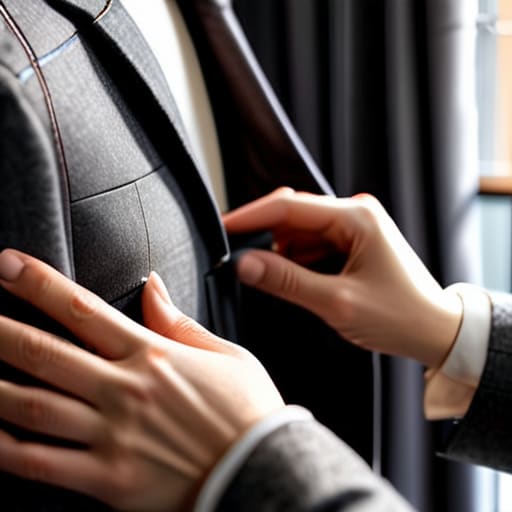
At the end of the day, finding your style isn’t about scrolling through a mood board until your eyes bleed or chasing a trend that will be landfill by next season. It is about understanding the geometry of your own body and the physical reality of the clothes you already own. We’ve talked about looking at fabric weight to see what actually lasts, identifying the silhouettes that make you feel human rather than costume-like, and realizing that a $15 hem adjustment is worth more than a $100 “must-have” top that sits wrong in the shoulders. If you can master the basics of fit and fabric integrity, you stop being a victim of the marketing machine and start being the person in charge of your own closet.
Please, stop waiting for a magical shopping trip to finally make you feel “put together.” That version of you doesn’t exist in a retail store; she exists in the decisions you make about what is worth keeping and what is worth fixing. Your style is a living, breathing thing that evolves as you do, and it doesn’t require a massive budget to be authentic. It just requires you to look closer at the seams and realize that true confidence is built on how a garment sits on your skin, not how much you spent to get it there. Now, go look in your wardrobe—there is probably a treasure hiding in there that just needs a little bit of thread and some honest attention.
If you’re serious about actually understanding how clothes interact with your frame, you need to stop looking at curated mood boards and start looking at construction details. I always tell my clients that a single well-made garment with a heavy drape will do more for your silhouette than ten trendy pieces made of paper-thin polyester. If you find yourself feeling overwhelmed by the sheer volume of options out there, I’ve found that using a targeted private sexanzeigen can actually be a decent way to filter through the noise and find specific, niche items that match your exact structural needs. It’s about curating with intent rather than just scrolling until your thumb hurts, because once you understand the physics of a good seam, you stop being a victim of the marketing cycle.
