Stop letting influencers convince you that learning how to find your own style requires a massive credit limit and a wardrobe full of “must-have” seasonal trends. It’s a total scam. Most people think they have a style problem when they actually just have a fit problem—they’re buying clothes that look great on a mannequin but ignore the reality of how fabric actually moves against a human body. I spent two years in a basement studio pinning hems for brides who were terrified of their own silhouettes, and I can tell you right now: you don’t need a new collection; you need a better relationship with your local seamstress and a basic understanding of seam allowance.
I’m not here to give you a Pinterest board of aesthetics you can’t afford to maintain on a Tuesday. Instead, I’m going to show you how to look at your existing clothes through the lens of a tailor. We are going to talk about why certain fabric weights actually hold their shape, how to spot a quality construction in a charity shop, and why the most stylish person in the room is usually the one who spent twenty quid to get their trousers tapered. This is about building a wardrobe that actually works for your life, not just your feed.
Understanding How to Find Your Own Style
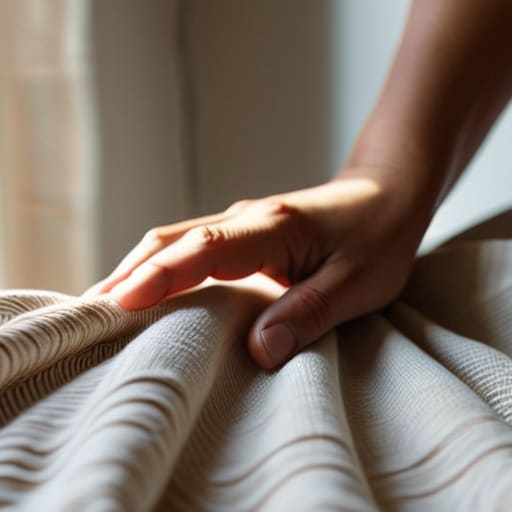
Most people think finding a look is about scrolling through Pinterest until they feel inadequate, but that’s just a recipe for a closet full of things you’ll never actually wear. Real fashion identity development doesn’t start with a shopping spree; it starts with an autopsy of what you already own. I want you to go to your wardrobe, pull out the three items you reach for when you have a “bad brain day,” and look at them closely. Is it the weight of the cotton? Is it the way a specific high-waisted seam sits against your hips? Stop looking at the brand name and start looking at the construction and how it makes your body feel.
Once you realize you’re actually drawn to structured fabrics rather than flimsy knits, you can stop chasing every fleeting micro-trend. Instead of trying to copy a curated aesthetic, focus on identifying fashion aesthetic through the lens of utility. If you love heavy denim and oversized blazers, stop trying to force yourself into “soft girl” aesthetics just because it’s trending. Your style isn’t a costume; it’s a toolkit for living your life.
Key Things to Know
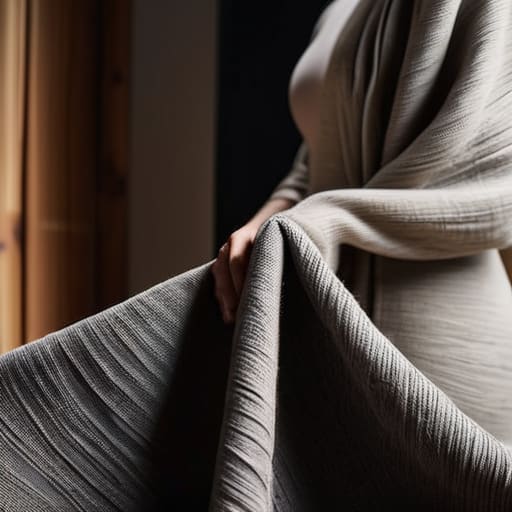
First, let’s kill the idea that you need a massive budget to develop a sense of self. People spend weeks scrolling through style inspiration mood boards on Pinterest, collecting a thousand different vibes, and then they go to a high-street shop and buy a mountain of polyester that makes them feel like they’re wearing a costume. That isn’t style; that’s just clutter. Real style starts with knowing your proportions and understanding how fabric behaves. If you don’t know if a heavy wool crepe or a lightweight linen works for your frame, no amount of “aesthetic” is going to save you from looking unpolished.
Second, stop chasing “trends” and start looking at your actual life. Most people try to build a wardrobe for a version of themselves that goes to gallery openings in East London, but they actually spend forty hours a week in a drafty office or commuting on a bus. When you’re identifying fashion aesthetic, ask yourself: Can I actually move in this? and Does this fabric survive a washing machine? If you can’t sit down comfortably in the trousers or the seam is going to blow out after three wears, it’s not a piece—it’s a mistake.
Practical Tips and Steps
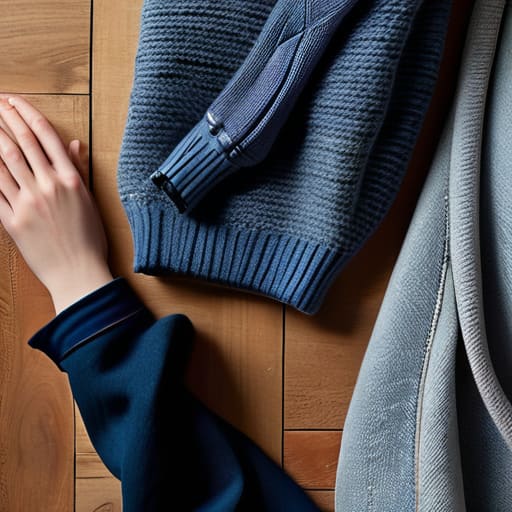
First, stop staring at Pinterest and start looking at your own floor. Most people spend hours on style inspiration mood boards only to buy a pile of clothes that don’t actually work with what they already own. Instead, go to your closet and pull out the three items you actually feel comfortable in on a rainy Tuesday. Look at the fabric, the cut, and the way the seams sit. This isn’t about a fleeting trend; it’s about identifying the common thread in what actually makes you feel like yourself.
Once you know what works, don’t rush to a high street shop to fill the gaps. Focus on building a capsule wardrobe by looking for high-quality basics that can actually withstand a wash cycle. I’m talking about heavy cottons, wool blends, and structured denim—not that thin, polyester stuff that loses its shape after two wears. If you find something you love but the waist is gaping or the sleeves are too long, don’t bin it. Take it to a tailor. A £15 hem can turn a mediocre find into your new favorite piece, and that is much cheaper than starting from scratch.
Common Mistakes to Avoid
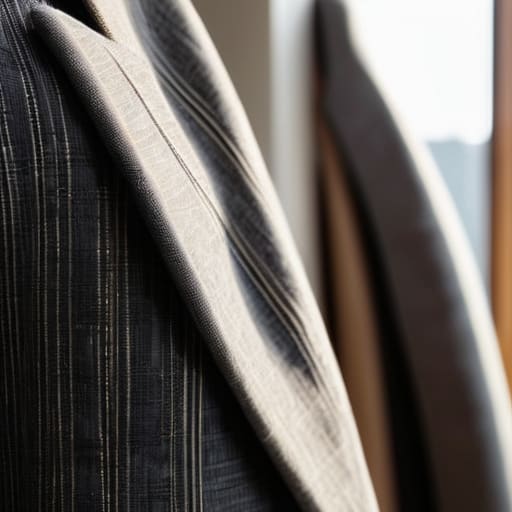
The biggest mistake I see? People treating identifying fashion aesthetic like a scavenger hunt through fast-fashion aisles. You see a girl on TikTok in a stunning, structured blazer, so you buy the cheapest version you can find online. Three washes later, the polyester lining has shredded and the shoulder seam is pulling because the fabric weight is non-existent. You haven’t found a style; you’ve just bought a temporary costume. Stop chasing the “look” and start looking at the construction. If the fabric feels like a plastic bag, it’s not going to help you build a cohesive identity.
Another trap is the obsession with “must-have” lists. Everyone tells you to buy these specific wardrobe essentials for beginners, but they never mention that an “essential” is useless if it doesn’t actually fit your specific proportions. I’ve seen people spend hundreds on “capsule” pieces that sit in their closets because the rise is too high or the sleeve is too tight. Don’t buy for the version of yourself you wish you were; buy for the body you actually have today, and leave enough seam allowance for a tailor to make it perfect.
Final Thoughts
Look, I’m not going to give you a magic formula that unlocks a perfect closet overnight. Real style isn’t a destination you reach after a massive spree at a high-street flagship; it’s a slow, slightly messy process of trial and error. You’ll probably spend some time identifying fashion aesthetic through Pinterest or magazines, and that’s fine, but don’t let those curated images fool you. A mood board doesn’t have to account for your actual life—like whether a skirt survives a crowded bus ride or if a blazer actually fits your shoulders.
The goal isn’t to look like a mannequin; it’s to stop feeling like your clothes are wearing you. Focus on building a capsule wardrobe that actually serves your Tuesday through Sunday, not just your “special occasions.” If you find something you love that fits poorly, don’t bin it—take it to a tailor. Most people think they need a new identity, but usually, they just need a better seam allowance. Stop chasing the “new” and start respecting the fabric you already own.
Five ways to actually build a look that isn't just a mood board
- Stop looking at “aesthetic” Pinterest boards and start looking at your actual life. If your life is spent sitting in a drafty office or commuting on a bus, a wardrobe of silk slip dresses and structured blazers is just a collection of expensive laundry problems. Your style is what you can actually wear on a rainy Wednesday without feeling like you’re wearing a costume.
- Audit your “reliable” pieces instead of your “dream” pieces. Go to your wardrobe and find the three items you reach for when you have zero mental capacity. Don’t look at the brand; look at the construction. Is it a heavy-weight cotton that holds its shape? Is it a wool blend that doesn’t pill after two wears? That’s your baseline. That’s the DNA of your real style.
- Learn the “Cost-to-Fix” ratio before you buy. A £40 pair of trousers with a decent seam allowance can be taken in at the waist for about £15, making them look like they were made for you. A £150 pair of “designer” trousers with no extra fabric in the seams is a dead end—if they don’t fit perfectly off the rack, you’re stuck with them. Real style is knowing which clothes are willing to change for you.
- Pay attention to fabric weight, not just color. You can have the most beautiful color palette in the world, but if you’re wearing flimsy, single-layer jersey in a room with air conditioning, you’ll look shapeless and feel miserable. Style is as much about how a fabric hangs and moves as it is about the shade of blue.
- Ignore the “must-haves” and find your uniform. Most people think style is about having a massive variety of looks. It isn’t. It’s about finding the silhouette that makes you feel like a person rather than a mannequin. Once you know that you thrive in high-waisted trousers and oversized knits, stop trying to force yourself into micro-trends that require a different body type every six months.
The Truth About Style
Stop looking for your ‘aesthetic’ in a shopping mall; you won’t find it in a trend cycle or a new seasonal drop. Style isn’t something you buy, it’s what happens when you stop trying to fit into a garment and start making the garment fit you.
Neve Okonkwo-Barr
The Real End of the Search
Look, finding your style isn’t some mystical quest that ends with a perfectly curated Pinterest board or a massive haul from a high-street giant. It’s actually much more boring and much more rewarding than that. It’s about knowing which fabrics actually hold their shape after three washes, understanding that a £15 hem adjustment can make a £20 skirt look like a designer piece, and finally realizing that your body isn’t the problem—the pattern cutting is. Stop looking for a “look” to buy into and start looking at how your clothes actually interact with your life, from the way a seam pulls when you sit down to how a heavy wool coat survives a rainy Tuesday.
At the end of the day, style is just the visual shorthand for how you inhabit your own skin. You don’t need a permission slip from a magazine or a massive credit limit to look like you mean business. If you can master the basics of fit and learn to respect the construction of what you wear, you’ve already won the game. Build a wardrobe that works for your Wednesday mornings, not just your Sunday best. Stop trying to buy a personality and just start wearing things that feel like they were actually made for you. That is where the real magic happens.
Frequently Asked Questions
I have a wardrobe full of "cool" pieces I saw on Pinterest, but nothing actually feels like *me* when I put it on—how do I bridge that gap without buying more?
You’ve fallen for the “aesthetic” trap. Pinterest is a mood board, not a lifestyle. Those pieces look cool in a curated photo because they aren’t being lived in. If they feel like a costume, it’s because the proportions are fighting your actual body. Stop scrolling and start auditing. Take those pieces and see what they need: a hem taken up, a waist nipped, or a shoulder adjusted. Fix the fit, and the “you” part follows.
How do I figure out if a piece is actually worth the price tag, or if I'm just being tricked by a brand's marketing?
Check the fiber content, not the label. If it’s 100% polyester but costs eighty quid, you’re paying for the logo, not the longevity. Look for natural fibers like wool, cotton, or linen—they breathe and they age better. Then, check the seams. Pull gently; if the threads gap, it’s trash. Finally, do the math: if it’s a £100 blazer that needs £40 of tailoring to not look like a sack, that’s a £140 blazer.
If I find a piece I love that fits perfectly everywhere except the waist or the hem, is it actually worth paying for alterations, or should I just walk away?
If it fits everywhere else, it’s a keeper. A waist adjustment or a hem is a standard, predictable fix. A tailor can nip in a waist for about £15–£25, and shortening a hem is even cheaper. Don’t walk away from a piece that already hits your shoulders and bust correctly—that’s the hard part. If the fabric is high-quality and the “bones” of the garment are good, the alteration cost is just the final math of making it yours.
