Stop letting Pinterest boards and “aesthetic” influencers convince you that a complete guide to finding your style requires a massive credit limit and a closet full of trend-driven junk. Most of these guides are just glorified shopping lists designed to make you feel like your current wardrobe is a failure. I spent two years in a cramped basement studio pinning hems for people who felt invisible in their own clothes, and I can tell you right now: your “lack of style” isn’t a lack of new clothes. It’s usually just a failure to understand how fabric behaves on a real human body.
I’m not here to give you a mood board; I’m here to give you a toolkit. This is a no-nonsense breakdown of how to actually build a look that works on a rainy Wednesday, not just in a curated photo. We are going to talk about fabric weight, how much a tailor actually needs to do to make a thrifted blazer look custom, and how to spot quality in a sea of fast-fashion garbage. I promise to show you the math behind what’s worth keeping and what’s just expensive clutter.
Understanding Complete Guide to Finding Your Style

Most people approach personal aesthetic development like they’re trying to solve a math equation by buying more variables. They think if they just add that one specific “it-girl” skirt, the whole equation will finally balance. It won’t. You can’t shop your way into a coherent look if you don’t actually know how fabric behaves against your specific frame. Before you even look at a Pinterest board, you need to look at your actual life. Are you sitting in an office chair for eight hours, or are you running between subway stations? Style isn’t a costume; it’s the architecture of how you move through a Tuesday.
Instead of chasing every fleeting trend, I want you to focus on style archetypes and silhouettes that actually respect your proportions. This isn’t about “finding yourself” in a spiritual sense; it’s about identifying which shapes make you feel capable rather than self-conscious. Once you understand whether you thrive in structured heavy wools or fluid silks, you stop wasting money on things that look great on a mannequin but feel like a lie when you put them on. Stop treating your closet like a graveyard of ‘maybe next time’ pieces and start looking at what actually works when the lights are bright and the day is long.
Key Things to Know
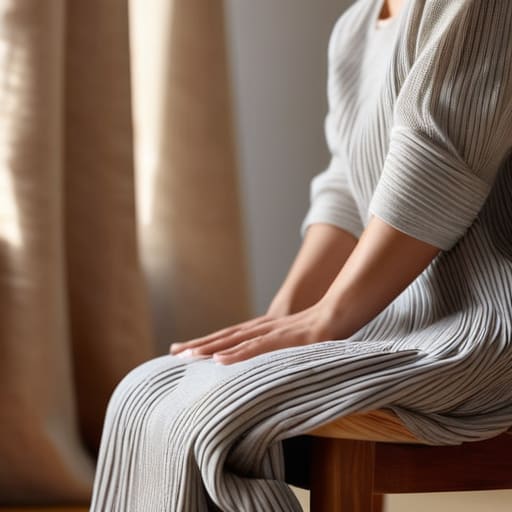
First, let’s stop pretending that “finding your style” is some mystical journey involving a mood board and a shopping spree. It isn’t. Real style is actually about understanding how fabric interacts with your specific shape. Before you dive into the rabbit hole of fashion identity exploration, you need to look at your actual life. If you spend forty hours a week sitting at a desk, a rigid, high-waisted wool trouser that pinches your waist is going to become a very expensive hanger in your closet. You need to know your functional reality before you start chasing a vibe.
Second, stop obsessing over trends and start looking at style archetypes and silhouettes. You don’t need fifty different items; you need to know if you feel more “at home” in structured, heavy-weight cottons or something with more drape and movement. This is where most people fail—they try to build a look based on a photo rather than how a garment actually sits on their shoulders. Once you understand the architecture of what you like, the rest of the wardrobe starts to make sense.
Practical Tips and Steps
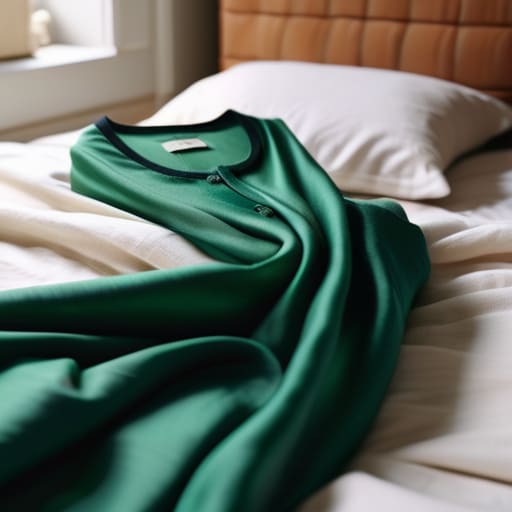
First, stop staring at Pinterest boards of women who have personal assistants and zero responsibilities. Real personal aesthetic development starts in your own closet, not on a screen. Empty your wardrobe onto your bed and sort everything into three piles: “this actually fits my body,” “this is a beautiful fabric but the shape is wrong,” and “I haven’t touched this since 2021.” If a piece is in that middle pile, don’t throw it out—take it to a tailor. A £15 hem or taking in a waist can turn a “maybe” into a staple.
Next, focus on building a capsule wardrobe based on utility rather than vibes. You need a foundation of high-quality basics that can actually survive a Tuesday morning commute. Look for natural fibers—cotton, wool, linen—because synthetic blends pill and lose their shape after three washes, making them a waste of money. Once you have the structural basics, you can play with style archetypes and silhouettes to add personality. But remember: if the seam allowance is too slim to let it out later, it’s not a foundation; it’s a trap.
Common Mistakes to Avoid
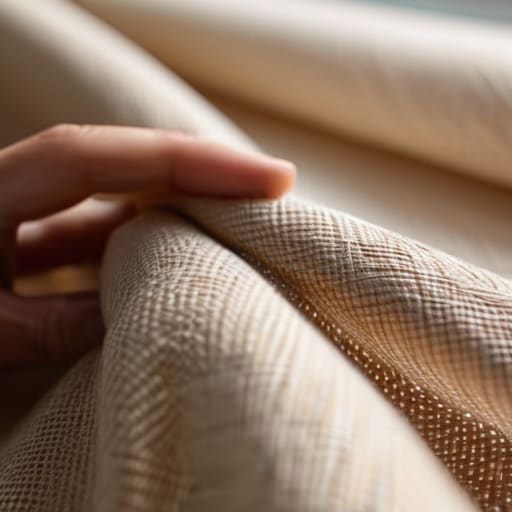
The biggest mistake I see is people treating personal aesthetic development like a scavenger hunt for “vibes” rather than a study of construction. You see a girl on TikTok in a perfectly curated linen set and think, I need that, so you buy the cheapest version you can find. Then you realize the fabric is so thin it’s basically tissue paper and the seams are puckering after one wash. You haven’t found a style; you’ve just bought a pile of landfill-bound scrap. Stop chasing a mood and start looking at the weight of the fabric and how the hem is finished.
Another massive trap is the obsession with building a capsule wardrobe before you actually know how you move in clothes. People buy ten identical black t-shirts because a blog told them to, but if those shirts don’t respect your shoulder line or your actual proportions, you’ll never wear them. You don’t need a “starter kit” of expensive basics; you need a few pieces that actually fit your body’s architecture. If you can’t find a tailor to fix the waist or the sleeve length, it doesn’t matter how “essential” the item is—it’s just clutter.
Final Thoughts
Look, I’m not going to leave you with a checklist and tell you that you’ve “arrived.” Style isn’t a destination you reach once you’ve bought the right amount of linen trousers; it’s an ongoing conversation between your body and the fabric you choose to wrap it in. If you’ve spent any time on fashion identity exploration lately, you’ve probably realized that the most important thing isn’t the labels you collect, but how much ease you feel when you actually sit down in a chair.
Stop stressing over whether you’ve perfectly mastered every single one of the style archetypes and silhouettes you see on Pinterest. Most of those looks are curated for people who don’t have to commute or sit in a cubicle for eight hours. Instead, focus on the math: does this piece actually work with what you already own, and is it worth the cost of the tailor to make it sit right? If the answer is no, leave it on the rack. Your wardrobe should serve your life, not the other way around.
Five ways to actually find your look without going broke
- Stop looking at mood boards and start looking at your own closet; if you spend three hours scrolling Pinterest for “aesthetic” inspo but only ever wear your oversized black sweaters because they actually feel good on your skin, your style isn’t “minimalist chic,” it’s comfort-first utility.
- Learn to read a fabric composition label like it’s your job, because “style” doesn’t mean much if your favorite trousers lose their shape after three washes—aim for natural fibers or high-quality blends that can actually handle a trip to the dry cleaners.
- Treat every single purchase as a math equation involving the alteration cost; if a vintage blazer is £20 but needs a £40 sleeve shortening and a waist nip to not look like you’re wearing your dad’s suit, it’s not a bargain, it’s a project you probably won’t finish.
- Forget “body types” and start focusing on garment architecture—learn whether you need a structured shoulder to balance your frame or a heavier fabric weight to drape properly, because style is about how the clothes interact with your actual human shape, not a diagram in a magazine.
- Build a “Wednesday Wardrobe” first, meaning clothes that work for a normal, unglamorous Tuesday or a rainy Thursday, rather than buying “statement pieces” that only work if you’re standing in a specific lighting for a photo.
The Myth of the Perfect Wardrobe
Stop looking for your ‘style’ in a shopping cart. You don’t find yourself in a new seasonal collection; you find yourself in the way a well-weighted fabric hangs on your shoulders and how a properly tapered hem makes you actually want to walk out the door. Style isn’t a collection of trends you’ve managed to buy—it’s the math of how clothes actually fit your real, moving body.
Neve Okonkwo-Barr
The Bottom Line
Look, finding your style isn’t about a sudden epiphany in a high-end boutique or buying a whole new capsule collection because a TikTok influencer told you to. It’s about the boring, practical stuff we’ve talked about: knowing your measurements, understanding how a heavy wool behaves compared to a flimsy polyester blend, and realizing that a £20 thrifted jacket becomes a masterpiece once you spend £15 at the tailor to actually make it fit your shoulders. Stop chasing the “aesthetic” of the month and start looking at your seam allowances and fabric weights. If you focus on the math of the garment—how much it costs to maintain, how much it costs to fix, and how many times you can actually wear it on a Tuesday—the style part will eventually take care of itself.
At the end of the day, your wardrobe shouldn’t be a costume you put on to pretend you’re someone else; it should be a toolkit that makes your life easier. Don’t let marketing departments convince you that you’re “unfinished” without their latest drop. You are already enough, and your clothes should serve you, not the other way around. Build a closet that feels like home, even if it’s built from charity shop finds and a few well-placed hems. Real style isn’t about how much you spend; it’s about the confidence of knowing that nothing you put on is fighting against your body.
Frequently Asked Questions
I finally figured out my "vibe," but how do I know if the clothes I'm actually buying are going to last more than three washes?
Stop looking at the “vibe” and start looking at the seams. If it’s 100% thin polyester, it’s going to pill and trap heat like a plastic bag. Check the weight; if the fabric feels flimsy in your hands, it won’t survive a heavy wash. Look for finished seams inside, not raw edges, and check the fiber content. If it’s a natural blend—cotton, wool, linen—it actually has a lifespan. If it’s all synthetic, it’s just temporary.
If I find a piece I love but the shoulders or the waist are completely off, is it actually worth paying for alterations or should I just walk away?
It depends on the math. If it’s just the waist, do it—that’s a standard, relatively cheap fix that changes everything. But the shoulders? That’s a different beast. Reshaping a shoulder involves deconstructing the sleeve head and can cost more than the garment itself. If the shoulders are off, the whole architecture is wrong. Unless it’s a vintage gem with incredible fabric, walk away. Don’t spend £40 fixing a £30 mistake.
How do I stop falling for "trend" pieces that look great on a mannequin but make me feel like I'm wearing a costume in real life?
Because mannequins don’t have collarbones or hips, and they certainly don’t have to sit down in a coffee shop. You’re falling for the “silhouette,” but you’re forgetting the fabric and the scale. If a trend piece feels like a costume, it’s usually because the proportions are fighting your actual body or the fabric is too flimsy to hold the shape. Before you buy, ask: “Can I wear this on a Tuesday without feeling performative?” If not, leave it.
