Stop listening to those “capsule wardrobe” influencers who tell you that you need to spend a month’s rent on twenty identical beige linen shirts just to figure out how to plan a week of outfits. It’s a scam designed to make you feel like your current closet is a failure. I spent two years in a basement studio pinning hems for people who were genuinely stressed about their Tuesday morning meetings, and I can tell you: they didn’t need a new wardrobe, they just needed their existing clothes to actually behave. Most of the time, your “nothing to wear” crisis isn’t a lack of clothes; it’s a lack of structural cohesion and a few poorly fitted seams that make you want to hide under a duvet.
I’m not here to sell you a lifestyle or a new aesthetic. I’m going to show you how to look at your clothes through the lens of fabric weight and utility, teaching you how to map out your week based on what you actually do, not what a mood board says you should do. We’re going to talk about building a rotation that survives the washing machine and the morning rush, focusing on the math of a good fit rather than the magic of a new purchase.
Understanding How to Plan a Week of Outfits
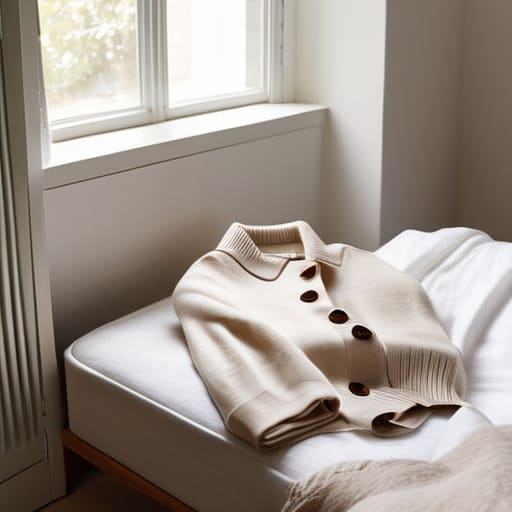
Before you even touch a hanger, you need to stop looking at your clothes as individual items and start seeing them as a system. Most people fail at this because they try to build outfits from scratch every single morning, which is a recipe for disaster. Instead, try some basic clothing inventory management: lay everything out on your bed and look for the gaps. Are you heavy on tops but lacking trousers that actually fit your waist? Do you have five great skirts but nothing that works with your favorite knitwear? Planning isn’t about buying more; it’s about realizing that your current pile of clothes is likely missing the connective tissue—those reliable basics that make everything else wearable.
Once you know what you actually own, you can move into actual outfit planning for busy professionals. I don’t care if you’re a CEO or a student; the logic is the same. Group your pieces by “vibe” or level of formality rather than just color. If you can’t wear a piece with at least three other things you already own, it’s not a staple, it’s a liability. By mapping out your combinations in advance, you’re essentially reducing morning stress by making the decision-making process a closed loop. You aren’t “styling” at 7:00 AM; you’re just executing a plan.
Key Things to Know
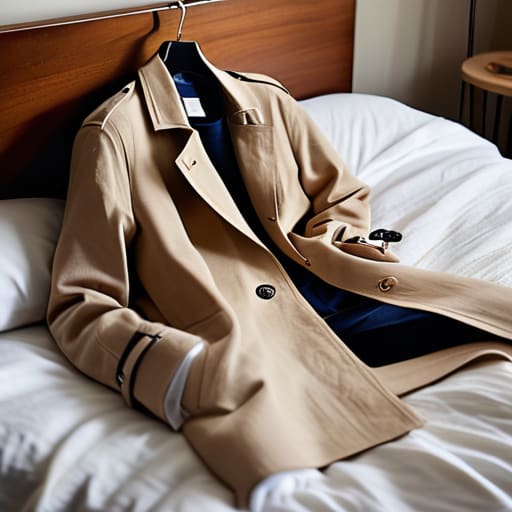
First, stop looking at your clothes as individual items and start looking at them as a system. Most people fail at this because they try to build outfits around a “vibe” rather than a foundation. You need to perform some basic clothing inventory management before you even think about a calendar. Lay everything out on your bed—not just the stuff you like, but the stuff that actually fits. If a pair of trousers has a seam allowance so thin you can’t let them out, or if that knit is pilling so badly it looks like a science experiment, leave them out. You can’t plan a week around clothes that make you feel self-conscious or uncomfortable.
Second, focus on the math of your rotation. Real weekly outfit organization tips aren’t about having fifty different shirts; they are about ensuring your base layers—the high-quality cotton tees or the wool trousers that actually hold their shape—can survive being worn twice a week. If you’re trying to manage a heavy seasonal wardrobe rotation, don’t force a summer linen blazer into a Tuesday in November just because it looks good on a mannequin. It won’t work, and you’ll spend the whole day adjusting it.
Practical Tips and Steps
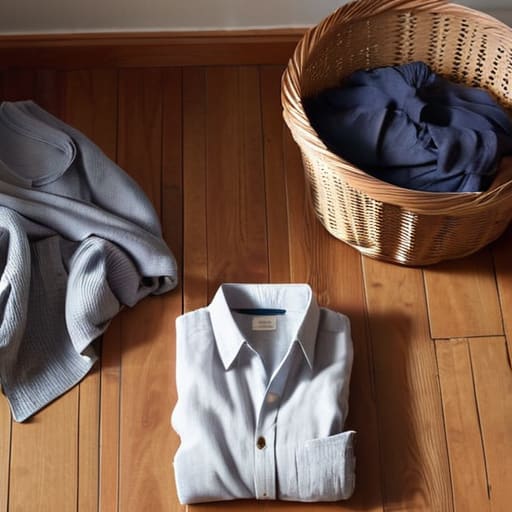
First, stop treating your closet like a random pile of fabric and start treating it like a toolkit. You need to perform a quick clothing inventory management check before you even think about picking a Monday look. Empty your drawers, pull out the stuff that makes you feel like you’re wearing a costume, and set it aside. I’m talking about those “goal” jeans that don’t actually fit your hips right now—put them away. Focus on what actually works with your body today. Once you know what you actually own, you can stop the frantic morning scavenging and start building from a foundation of pieces that don’t require a prayer to look decent.
When you’re laying things out, think in layers and textures rather than “outfits.” If you’re doing weekly outfit organization tips, don’t just pick seven separate looks; pick a core set of capsule wardrobe essentials—a solid trouser, a reliable knit, a versatile jacket—and see how many ways they can pivot. If a shirt looks great but the sleeves are a nightmare, don’t skip it; spend the fifteen quid to get them tapered. A well-fitted, cheap cotton shirt will always outlast an expensive silk one that’s drowning your frame.
Common Mistakes to Avoid
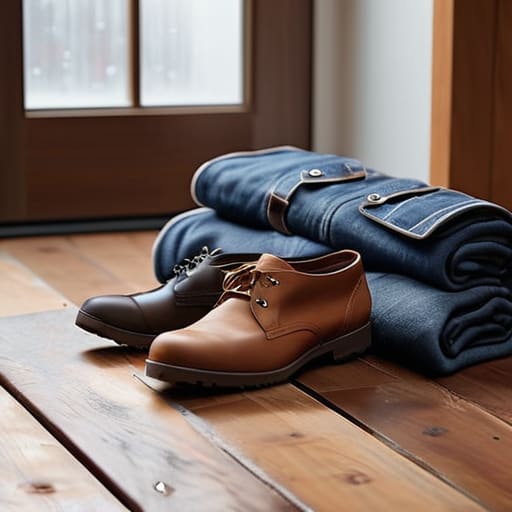
The biggest mistake I see—and I see it every time I’m pinning a hem for a client—is the “fantasy wardrobe” trap. This is when you buy pieces for a life you don’t actually lead. You buy a silk slip dress because it looks divine on a mannequin, but you never wear it because you’re actually running errands on a rainy Tuesday. If your clothes don’t survive a real Wednesday, they aren’t part of a functional rotation; they’re just expensive clutter. Stop treating your closet like a costume department and start focusing on clothing inventory management that actually reflects your real-world movements.
Another massive error is thinking you need more stuff to solve a lack of variety. People think they’re failing at outfit planning when, in reality, they just have a bunch of clothes that don’t play well together. They buy a trendy top that clashes with every single pair of trousers they own. Instead of chasing every micro-trend, focus on your capsule wardrobe essentials—the sturdy, well-cut basics that actually have enough seam allowance to be tweaked. If you can’t pair a new item with three things you already own, leave it on the rack. It’s not an investment; it’s a math error.
Final Thoughts
Look, I’m not asking you to become a fashion influencer or spend your Sunday nights meticulously curating a Pinterest board. That’s just more unpaid labor. My goal is much more boring and much more useful: I want you to stop staring blankly at a full closet at 7:30 AM and feeling like you have nothing to wear. Real style isn’t about the sheer volume of clothes you own; it’s about knowing exactly how your pieces interact. Once you master a bit of clothing inventory management—basically just knowing what actually fits and what’s currently sitting in the “to-be-altered” pile—the mental load of getting dressed just evaporates.
If you do nothing else, just focus on the math of your wardrobe. Make sure your capsule wardrobe essentials actually work for your real life, not just the life you wish you had on Instagram. If a piece doesn’t work for a Tuesday morning meeting or a rainy Thursday walk, it’s just taking up expensive real estate in your cupboard. Stop trying to shop your way into a better identity and start trusting the clothes you already have by making sure they actually fit your body today.
Five ways to stop staring at a full wardrobe and feeling like you have nothing to wear
- Map your week by energy, not just occasion. If you know Tuesday is a back-to-back meeting day, don’t plan a high-maintenance silk blouse that requires steaming every twenty minutes. Pick a heavy-weight cotton or a jersey knit that looks intentional but doesn’t fight you.
- Audit your “middle” pieces. Most people have great tops and great bottoms, but nothing that connects them. If you can’t find a blazer or a cardigan that bridges the gap between your trousers and your shirt, you aren’t lacking clothes—you’re lacking structural layers.
- Stop ignoring the hemline. A week of outfits fails when your trousers are dragging on the floor or your skirts are riding up awkwardly. If you’re planning a rotation, check the lengths first. A £15 hem alteration can make a high-street trouser look like a bespoke piece, and it makes “getting ready” ten times faster.
- Use the “Three-Way Test” before you commit to a weekly plan. Can you wear that specific skirt with your Monday blouse, your Wednesday knit, and your Friday jacket? If it only works with one specific top, it’s a liability, not a staple.
- Check your fabric fatigue. If your weekly rotation relies heavily on thin, synthetic blends, you’ll look wrinkled by Wednesday afternoon. Build your plan around natural fibers or high-quality blends that actually hold their shape through a standard work week.
The Math of a Monday Morning
Stop trying to curate a “look” for every single day like you’re being photographed for a campaign; just plan for the friction of a real week. If your outfit doesn’t survive a commute, a desk chair, and a Tuesday afternoon slump without making you want to tear the seams out, it’s not a wardrobe—it’s a costume.
Neve Okonkwo-Barr
The Bottom Line
Look, planning your week isn’t about curating a Pinterest board or buying a new capsule collection every time the seasons shift. It is about knowing exactly what you own, understanding which fabrics can handle a midweek wash, and realizing that a well-planned week is built on reliable foundations, not fleeting trends. Stop looking for the “perfect” outfit in a shopping cart and start looking for it in your own closet. If you find a piece you love but it makes you feel like you’re wearing a sack, don’t bin it—take it to a tailor. A twenty-pound hem or a nipped waist is infinitely more valuable than a fifty-pound shirt that sits wrong on your shoulders.
At the end of the day, your clothes should serve your life, not the other way around. You shouldn’t be spending your Monday mornings negotiating with a pair of trousers that refuse to stay up or a blazer that feels like a costume. Style is a tool for navigating your reality, and when you master the art of the rotation, you reclaim your time and your confidence. Build a wardrobe that works for your actual, messy, busy Wednesday, and you’ll realize that true style isn’t expensive—it’s just well-fitted and thoughtfully maintained.
Frequently Asked Questions
I have a wardrobe full of clothes but nothing that actually goes together; how do I know if a piece is a "maths" win or just taking up space?
Stop looking at the price tag and start looking at the math of “wearability.” A piece is a win if it works with at least three things you already own. If it requires a specific, expensive new bra or a brand-new pair of shoes just to function, it’s a math fail—it’s just expensive clutter. Ask yourself: can I wear this on a Wednesday? If the answer is “only if I buy X,” put it back.
How much should I actually be budgeting for alterations if I want my weekly rotation to look intentional rather than accidental?
Look, don’t budget for “shopping”; budget for “fixing.” If you’re buying a £40 vintage blazer, set aside £15 for a hem and a waist nip. That’s how you turn a “hand-me-down” into a “signature piece.” Generally, expect to spend £10–£30 per garment for standard tweaks like tapering or shortening. If a piece costs more to alter than it did to buy, walk away. The math only works if the fit justifies the spend.
If I'm planning for a busy week, how do I choose fabrics that won't look like a crumpled mess by Wednesday afternoon?
Stop looking at the label for “premium” and start looking for fiber content. If it’s 100% linen or thin viscose, you’re going to look like a discarded tissue paper by lunch. For a long week, hunt for wool blends or heavy-weight cotton twill; they have the structural memory to bounce back. If you’re shopping secondhand, feel the weight. If it feels flimsy in your hands, it’ll look crumpled by Wednesday.
