I spent two years in a basement studio pinning hems for a bridal shop, and if there is one thing those silk slips taught me, it’s that most “capsule wardrobe” advice is a total scam. You don’t need a pristine, minimalist collection of beige linen trousers to look put together; you need clothes that actually fit your life and don’t fall apart after three washes. People treat how to plan a wardrobe from scratch like it’s some high-end aesthetic ritual involving expensive “investment” basics, but that’s just marketing fluff designed to make you spend money you don’t have. Real style isn’t about buying a new life; it’s about understanding the math of what you already own and what a tailor can actually do with it.
In this guide, I’m stripping away the trend-speak and the Pinterest-perfect delusions. I’m going to show you how to audit your actual lifestyle, identify which fabrics are worth your hard-earned cash, and calculate the true cost of a garment once you factor in the alterations needed to make it look custom. We aren’t building a museum; we are building a functional toolkit that works on a rainy Wednesday.
Understanding How to Plan a Wardrobe From Scratch
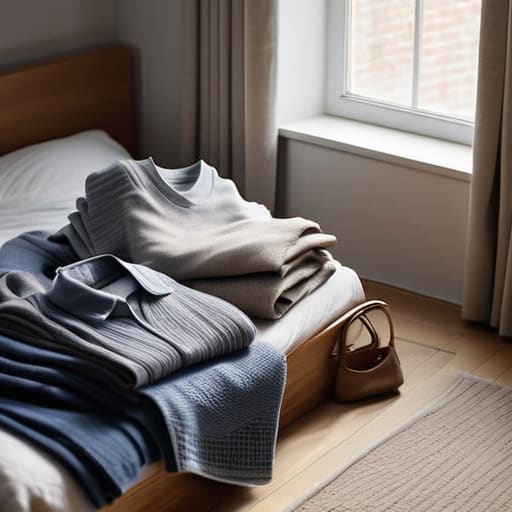
Before you even look at a single Pinterest board, you need to do a bit of forensic work on what you actually own. Most people think starting over means a blank slate, but it’s actually about clothing inventory management. I want you to dump everything onto your bed—yes, everything—and look at the piles. Don’t look at what you wish you wore; look at the fabrics that are actually holding up. If you have a pile of polyester blends that pill after two washes, they aren’t part of your future; they’re just clutter.
Once you see the reality of your closet, you can start applying some basic capsule wardrobe principles to bridge the gap between what you have and what you actually need. This isn’t about buying a pre-packaged set of beige linen shirts. It’s about identifying the structural gaps in your life. Do you have five great tops but zero trousers that actually fit your waist and hips correctly? That’s a tailoring problem, not a shopping problem. We aren’t building a collection of costumes; we are building a toolkit for your real, messy, Tuesday-morning life.
Key Things to Know

First, stop looking at Pinterest boards of people living in beige linen sets in Mediterranean villas. That isn’t a wardrobe; it’s a mood board. Real personal style discovery happens when you look at what you actually do on a Tuesday afternoon. Do you spend it commuting in the rain, or are you sitting in a climate-controlled office? If you buy a heavy wool blazer because it looks “classic” but you live in a humid city, you’ve just bought a very expensive hanger. You need to audit your life, not your aesthetic aspirations.
Second, get obsessed with fabric composition, not brand names. I see people spending hundreds on “designer” shirts that are 100% polyester; those things trap heat, pill after three washes, and honestly, they look cheap by month two. If you want to master capsule wardrobe principles, you have to prioritize fiber integrity. Look for cotton, wool, linen, or Tencel. A cheap cotton tee with a decent seam allowance is worth more to your daily life than a luxury synthetic top that loses its shape the moment it hits the laundry.
Practical Tips and Steps
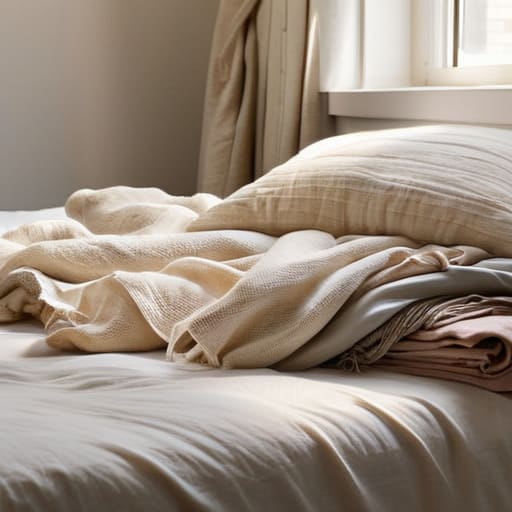
First, stop treating your closet like a museum and start treating it like a toolkit. You need to perform a proper clothing inventory management session before you even think about spending a single penny. Empty everything onto your bed. I’m talking every single sock and every single “maybe” shirt. Group them by weight and fabric. If you have a pile of thin, synthetic blends that pill after two washes, they aren’t part of a functional system—they’re clutter. Once you see what you actually wear versus what you wish you wore, you can start applying capsule wardrobe principles to the leftovers.
Next, look at the gaps. Don’t just buy a “cute top” because it’s on sale. Look for the structural holes: do you have enough mid-weight cottons for a Tuesday in October? Do your trousers actually hit your shoes? If you find a piece you love that fits poorly, don’t discard it. Factor in a £15 hem or a £20 waist nip into your budget. Real style is built in the alterations shop, not the checkout line.
Common Mistakes to Avoid
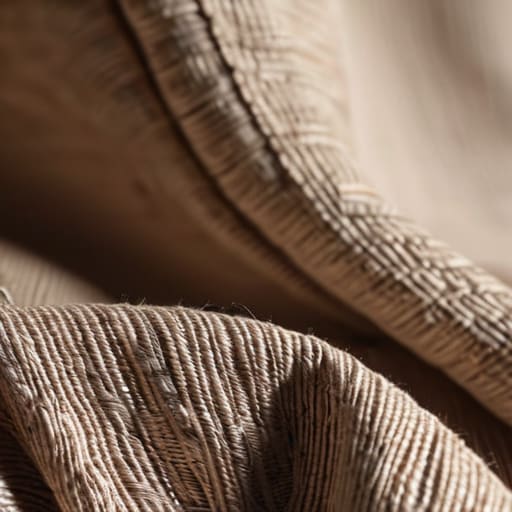
The biggest mistake I see is people treating personal style discovery like a scavenger hunt through fast-fashion aisles. You see a trend on your feed, you buy the polyester blend because it’s cheap, and three washes later, the seams are puckering and the hem is fraying. You haven’t built a wardrobe; you’ve just curated a pile of future landfill. Stop looking for “vibes” and start looking at the construction. If the fabric feels thin or the stitching looks like it was done by a robot in a rush, walk away.
Another massive trap is falling for the “capsule wardrobe” myth without actually doing the math. People buy ten identical beige linen shirts thinking they’ve achieved minimalism, but they haven’t accounted for utility or fabric durability. A real wardrobe needs variety in weight and texture so you aren’t stuck wearing the same exact silhouette every Wednesday. Don’t just buy things that look good on a hanger; buy things that can survive a heavy wash cycle and a trip to the tailor when the waist needs a little breathing room.
Final Thoughts
Look, I know this feels like a lot of homework. Most people want the “magic pill” solution—a single shopping trip that fixes their entire life—but that’s just marketing lying to you. Building a wardrobe is actually more about clothing inventory management than it is about finding the perfect new item. It’s about looking at what you already own, seeing where the seams are failing, and deciding what actually earns its spot in your daily rotation.
Don’t get caught up in the trap of trying to curate a perfect, Pinterest-ready aesthetic overnight. True personal style discovery happens in the messy middle, when you realize that a £20 thrifted blazer with a £15 waist nip looks better than a £300 designer piece that sits awkwardly on your shoulders. Stop chasing the “look” and start focusing on the mechanics of how clothes actually live on your body. If you get the fit and the fabric right, the rest of the style stuff will eventually fall into place.
The Non-Negotiable Rules of Wardrobe Math
- Stop shopping by “vibe” and start shopping by fabric weight. If you’re building a wardrobe from scratch, you need to know if a shirt is a 100% cotton poplin that will hold its shape or a cheap polyester blend that’s going to pill and look like a rag after three washes. I don’t care how cute the print is; if the fiber content is trash, the garment is trash.
- Audit your “Real Life” Tuesday, not your “Instagram” Saturday. We all buy things for the version of ourselves that goes to rooftop brunches and gallery openings, but your wardrobe needs to work for the person who actually sits in a desk chair or walks to the bus. Plan your pieces around your most boring, repetitive day, because that’s where the clothes actually earn their keep.
- Build in an “Alteration Tax” for every single purchase. When you’re calculating if a piece fits your budget, you aren’t just paying the price on the tag; you’re paying the tag plus the £15–£25 it’s going to cost me to take in the waist or shorten the hem so you don’t look like you’re wearing a costume. If the math doesn’t work with the tailoring included, put it back.
- Prioritize the “Seam Test” over the brand name. When you’re picking your foundational pieces, turn the garment inside out. I’m looking at the seam allowance and whether the stitching is straight or frantic. A high-street blazer with a decent internal structure will outlast a “designer” piece that’s held together by prayer and single-thread seams.
- Create a color palette based on your existing hardware. Before you buy a single new thing, look at the metals you actually wear—gold, silver, or rose gold—and the neutrals you already own. If you buy a navy blazer but your entire closet is warm camel and cream, you’ve just bought a very expensive paperweight. Make sure your new pieces actually talk to each other before they leave the shop.
The Math of a Real Wardrobe
Stop treating your closet like a wishlist and start treating it like a construction project. A real wardrobe isn’t built by adding more ‘must-have’ items; it’s built by calculating your actual life—the fabric that survives your Tuesday commute, the seams that can actually be taken in when your body changes, and the math of knowing that one well-fitted, mid-range blazer is worth more than five ‘investment’ pieces that don’t even hit your shoulders correctly.
Neve Okonkwo-Barr
The Real Work Starts Now
Look, planning a wardrobe isn’t some magical aesthetic transformation you achieve by clicking ‘add to cart’ on a curated capsule collection. It is a series of boring, necessary decisions about fabric weight, seam allowances, and actual utility. We’ve talked about auditing what you actually wear, understanding that a $200 polyester blend is a scam compared to a $50 vintage wool piece, and why your local tailor is more important than any influencer. If you focus on the math of your lifestyle—how many times you actually wash a garment and how much it costs to make it fit your specific shoulders—you stop being a victim of the marketing cycle and start being a person with a closet that actually works on a rainy Tuesday.
At the end of the day, I want you to stop looking at your clothes as a way to signal who you are to strangers, and start looking at them as tools for living your life. A wardrobe shouldn’t be a costume or a collection of ‘investment pieces’ that sit in the dark because they’re too precious to touch. It should be a reliable, functional kit that makes you feel steady when you walk out the door. Forget the trends; build for the person you are on a regular Wednesday, not the person you pretend to be on Instagram. That is how you actually win.
Frequently Asked Questions
I’ve already got a closet full of stuff I never wear; do I actually need to start from zero or can I just fix what I have?
You absolutely do not need to start from zero. That’s just more marketing telling you that “new” equals “better.” Most “closet full of nothing” problems are actually just “nothing fits right” problems. Pull everything out and look at the seams. If it’s a great fabric but the waist is off, that’s a £15 alteration, not a £60 replacement. Fix the fit, and you’ll realize you already own a wardrobe.
How do I know if a piece is actually "high quality" or if I'm just being tricked by a fancy label and a heavy box?
Stop looking at the price tag and start looking at the seams. A heavy box doesn’t mean quality; it often just means cheap, dense polyester. Instead, check the fiber content—natural fibers like wool, linen, or cotton breathe and age better. Turn the garment inside out. Are the seams finished cleanly, or is it a mess of loose threads? If the fabric feels thin and “crunchy” rather than having a substantial drape, walk away.
If I find something great at a charity shop that doesn't fit perfectly, is it actually worth the money to take it to a tailor?
It depends entirely on the math. If it’s a vintage wool blazer with a decent shoulder, spend the £15 to take in the waist. That’s a win. But if you’re looking at a polyester blend that’s two sizes too big, stop. Altering cheap, synthetic fabric often costs more than the garment is worth, and it’ll never drape right anyway. Only commit if the fabric is real and the bones of the garment are solid.
