I spent two years in a basement studio pinning hems for a bridal shop, and if there is one thing those silk slip dresses taught me, it’s that your closet is likely killing your wardrobe. I see people spending hundreds on “luxury” garment bags only to shove their knits onto wire hangers that stretch the shoulders into permanent, ugly bumps. We’ve been sold this idea that you need a system designed by an interior decorator to keep things neat, but honestly, most of those expensive storage hacks are just expensive distractions. Learning how to store clothes properly isn’t about aesthetic bins or color-coding your leggings; it’s about understanding fabric weight and preventing the kind of structural damage that a tailor can’t—or shouldn’t—fix.
I’m not here to sell you a new organizational system or a set of velvet hangers that cost more than your lunch. I’m going to tell you exactly which pieces need air, which ones need to be folded to save their shape, and why your current method is probably wasting your money. We’re going to look at the actual physics of your closet so your clothes actually survive until next Wednesday.
Stop Wasting Money How to Store Clothes Properly Without Ruining Them
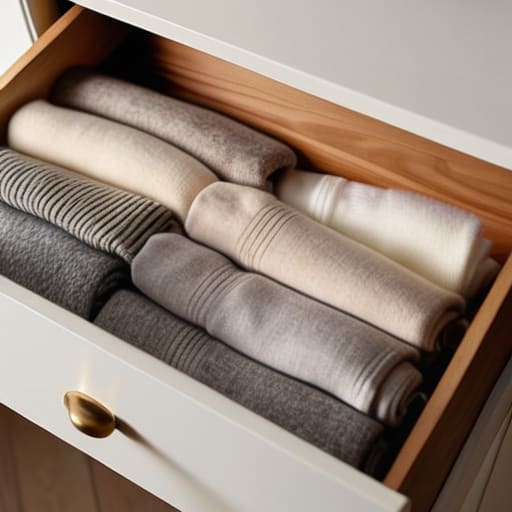
First, let’s talk about the silent killer of your wardrobe: the hanger. If you are hanging heavy knits on thin wire hangers, you aren’t just organizing; you are actively stretching the shoulders into permanent, ugly bumps. I see this in the studio all the time, and frankly, it’s a repair job that’s often more expensive than the sweater was worth. For anything with weight, fold it instead. Knits belong in a drawer or a basket where gravity isn’t trying to ruin their shape.
When it comes to seasonal wardrobe rotation, please, for the love of your clothes, rethink the vacuum seal storage bags. I know they look like a miracle for organizing closet space, but they are a nightmare for natural fibers. Squeezing the life out of a wool blazer or a silk blouse can actually crush the fibers and leave permanent creases that even a professional steam won’t touch. If you’re dealing with high-quality pieces, invest in breathable cotton garment bags or even just a clean, empty pillowcase. It’s about preventing fabric damage through airflow, not just compression.
The Math of Longevity Preventing Fabric Damage Before It Starts
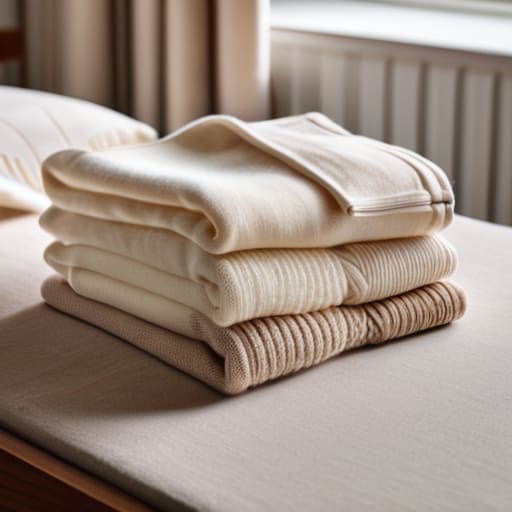
Look, let’s talk about the actual cost of your closet. When people ask me how to save money on clothes, they think I’m going to suggest a sale. I’m not. I’m going to suggest you stop letting your expensive knits die in a pile at the bottom of a drawer. Every time a heavy sweater gets crushed under a stack of denim, the fibers lose their memory and start to sag. That’s not “character”; that’s structural failure. If you aren’t practicing proper delicate garment care by folding instead of hanging, you are essentially paying a “negligence tax” every time you have to replace a stretched-out neckline.
The math is simple: if a £60 merino sweater lasts five years because you stored it flat with cedar wood moth prevention in a breathable box, it costs you £12 a year. If you shove it in a cramped drawer and it gets moth-eaten or misshapen in twelve months, you’re spending £60 a year. To avoid that, treat your seasonal wardrobe rotation like a logistics operation. Use breathable fabric bins, not plastic, so your clothes can actually breathe instead of suffocating in their own trapped moisture.
Why Vacuum Seal Storage Bags Might Be Killing Your Best Knits
I see them in every “closet organization” hack video on social media: those sleek, plastic vacuum seal storage bags. They look like a dream for organizing closet space, especially when you’re trying to squeeze a summer wardrobe into a tiny flat. But if you are shoving your favorite cashmere sweater or a heavy wool cardigan into one of those airtight death traps, you are essentially paying for the slow destruction of your clothes.
Knits need to breathe. Natural fibers like wool and silk have a structural memory; they rely on the tiny gaps between the fibers to maintain their shape and loft. When you suck all the air out, you aren’t just saving space—you are crushing the life out of the weave. I’ve had clients bring me sweaters that looked like flattened, felted pancakes because they’d been vacuum-sealed for six months. Once those fibers are compressed that tightly, no amount of steaming is going to bring that softness back. For delicate garment care, skip the plastic vacuum. If you’re doing a seasonal wardrobe rotation, use breathable cotton storage bags instead. It costs a few pounds more, but it’s much cheaper than replacing a ruined knit.
Mastering Seasonal Wardrobe Rotation Without the Closet Chaos
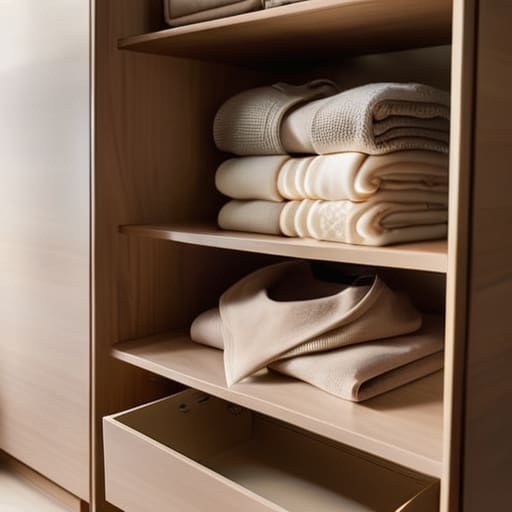
Most people approach seasonal wardrobe rotation like a panicked game of Tetris every six months. You pull out the heavy wools, realize you have no room, and end up shoving everything into a corner where it sits in a crushed, dusty heap. That is exactly how you end up with a sweater that has lost its shape or a silk blouse that looks like it’s been through a war zone. If you want to actually organize closet space effectively, you need a system that respects the architecture of the garment.
Don’t just toss your summer linens into a cardboard box in the attic. Instead, treat the transition like a professional archive. For your heavier items, focus on cedar wood moth prevention by using actual cedar blocks or sachets rather than those weird, chemical-smelling hanging beads that make your clothes smell like a pharmacy. It’s a small upfront cost that saves you from the nightmare of a moth hole in a cashmere knit—which, let’s be real, is an expensive mistake to fix. Clean everything before it goes into storage; even a tiny, invisible food stain will become a permanent shadow after three months in the dark.
Cedar Wood Moth Prevention and Other Real Delicate Garment Care
If you’ve ever pulled a favorite cashmere jumper out of storage only to find it looks like it’s been through a cheese grater, you’ve met the enemy: clothes moths. Most people think they can just toss a couple of cheap lavender sachets in a drawer and call it a day, but that’s not how cedar wood moth prevention actually works. Cedar only works if it’s fresh; once those little wooden blocks feel smooth and lose their scent, they aren’t doing a damn thing to protect your wool. I always tell my clients to sand their cedar blocks down once a year to reactivate the oils. It’s a five-minute job that saves you the massive headache of trying to find a specialist to patch a hole in a high-quality knit.
When it comes to delicate garment care, the biggest mistake is thinking “dry clean only” means “toss it in a plastic bag and forget it.” Plastic traps moisture and can actually cause yellowing on silks and delicate synthetics. If you aren’t using breathable cotton garment bags, you’re essentially inviting mildew to the party. It’s about creating an environment where the fabric can exist without being crushed or suffocated.
The Quick-and-Dirty Checklist for a Wardrobe That Doesn't Fall Apart
- Ditch the wire hangers immediately. If you are hanging anything with even a bit of weight—think heavy cotton shirts or anything with a structured shoulder—use wide, padded, or wooden hangers. Wire hangers are cheap, but they’ll leave those permanent “shoulder nipples” in your clothes that even a professional steamer can’t massage out.
- Stop the “one-in, one-out” lie and start the “breathing room” rule. If your clothes are jammed in so tight you have to wrestle a sweater out of the rack, you are creating friction. Friction leads to pilling and pulled threads. If it doesn’t slide easily, you have too much in there.
- Learn the “Fold vs. Hang” math. Hanging a heavy knit sweater is essentially asking it to grow two inches longer and lose its shape by next Tuesday. Always fold your knits. Hanging a silk slip dress? Go for it, but use a velvet-grip hanger so it doesn’t slide off and end up in a heap on the floor.
- Check your seams before you tuck things away. Before you put a garment into seasonal storage, make sure it’s actually clean. Even if it looks fine, invisible skin oils or a tiny drop of perfume can oxidize over six months, leaving a permanent yellow stain that no amount of dry cleaning will touch.
- Invest in breathable cotton garment bags, not plastic. I see people putting their nice wool coats in those cheap, opaque plastic dry-cleaning bags all the time. That’s a recipe for trapped moisture and a musty smell. If you want your clothes to live, they need a little bit of airflow.
The Real Cost of a Crowded Closet
We spend so much time obsessing over the price tag on the hanger that we completely ignore the cost of the damage we do once it’s in the closet. If you’re crushing your silk blouses under a mountain of heavy denim or letting your knits stretch out on cheap wire hangers, you aren’t saving money—you’re just pre-paying for a repair you’ll eventually have to make.
Neve Okonkwo-Barr
The Bottom Line on Your Wardrobe
Look, at the end of the day, storing your clothes isn’t about being a perfectionist or having a Pinterest-worthy walk-in closet; it’s about respecting the construction of what you own. If you’ve stopped shoving your knits into vacuum bags, given your wools some breathing room, and actually bothered to check your hangers, you’ve already done more than most. You’ve moved away from treating your clothes like disposable commodities and started treating them like the engineered pieces of fabric they actually are. Remember: a £15 alteration to fix a hem is much cheaper than having to replace a garment because you let it stretch out or get moth-eaten in a cramped corner.
My goal isn’t to turn your bedroom into a museum, but I want you to realize that a well-maintained wardrobe is a form of financial literacy. Every time you protect a seam or prevent a pill, you are essentially keeping money in your pocket. Style isn’t about the endless cycle of buying “new” to fix “old”; it is about making what you have work for you, season after season, through every ordinary Wednesday. Take care of the fabric, and the fabric will take care of you.
Frequently Asked Questions
I found a great vintage silk blouse at a charity shop, but is it actually worth paying a professional to clean and store properly, or am I just throwing good money after bad?
Do the math: if the blouse costs £5 and a professional dry clean is £15, you’re paying triple the value just to make it wearable. However, if it’s a heavy silk crepe that fits you perfectly, it’s worth the spend. Silk is temperamental; if it’s been sitting in a charity shop bin, it needs a pro to check for dry rot or perspiration stains. If the fabric feels crisp or “crunchy,” walk away. Don’t polish a corpse.
How can I tell if a garment is actually "high quality" enough to justify the extra effort of specialized storage, or is it all just marketing fluff?
Stop looking at the price tag; that’s just marketing math. Look at the seams and the weight. If it’s a natural fiber—real wool, heavy linen, or thick silk—it deserves the specialized storage because those fibers actually degrade if you treat them like polyester. Check the seam allowance: if there’s enough extra fabric inside to let a tailor let it out, it’s a keeper. If it’s thin, synthetic, and fraying at the hem? Just toss it.
If I'm tight on space, can I get away with using cheap plastic bins for my heavier items, or is that going to ruin the fabric's breathability by next season?
Look, if you’re talking about heavy denim or sturdy cotton trousers, you can get away with it. But if you’re shoving anything with natural fibers—wool, silk, or linen—into those airtight plastic bins, you’re basically inviting mold or stale odors to move in. Plastic doesn’t breathe, and neither do your clothes. If space is the issue, try stackable fabric bins instead. They’re cheap, they let the fabric “exhale,” and they won’t ruin a decent knit.
