Stop wasting your money on those aesthetic acrylic dividers and velvet hangers that promise to turn your bedroom into a boutique. I see it every week: people spending hundreds on “organization systems” only to realize they still have nothing to wear on a Tuesday morning because their clothes are still a tangled, unwearable mess. Real organizing a closet for better efficiency isn’t about matching bins or color-coding your knits until they look like a museum exhibit; it’s about visibility and accessibility. If you can’t see the seam allowance on your favorite trousers or if your heavy wool coats are crushing your delicate silks, you haven’t organized anything—you’ve just rearranged the chaos.
I’m not here to sell you a lifestyle or a specific brand of storage box. Instead, I’m going to show you how to audit what you actually own, how to hang things so they don’t lose their shape, and how to group your pieces by utility rather than just color. We are going to build a system that respects your fabric and your time, ensuring that your wardrobe actually works for your real life, not just for an Instagram feed.
Closet Decluttering Techniques That Actually Save You Money
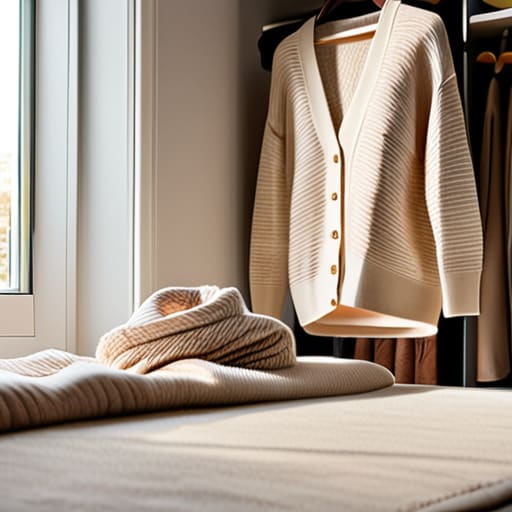
Most people treat decluttering like a spring cleaning chore, but I treat it like an audit. Before you toss anything, look at the seams. If you’re holding onto a skirt because you “plan to fit into it by June,” you aren’t decluttering; you’re hoarding guilt. Instead, use a more ruthless set of closet decluttering techniques: if a garment has lost its shape, has pilled beyond repair, or if the fabric is so thin it’s transparent, it’s gone. Don’t waste money on new pieces to replace things you should have vetted for quality the first time.
When you’re left with the survivors, focus on maximizing small closet space by grouping things by weight and function rather than just color. I see so many people struggling with a mess because they try to cram a heavy winter wool coat next to a silk camisole. Use proper clothing storage solutions—like sturdy, non-slip hangers that actually support the shoulder seam—to keep your clothes from stretching out. If you can’t see the fabric, you won’t wear it, and if you don’t wear it, you’ve essentially thrown your money in the bin.
Efficient Wardrobe Arrangement for Your Real Daily Life
Once you’ve cleared out the stuff that doesn’t fit or makes you feel like a fraud, you need an efficient wardrobe arrangement that actually reflects how you live. Most people organize by color because it looks pretty on TikTok, but unless you dress like a monochromatic minimalist, that’s a waste of time. I want you to organize by utility. Group things by how you actually use them: work tops together, casual layers together, and your “I have ten minutes to get out the door” essentials in one easy-to-reach zone. If you have to dig through three different categories just to find a decent black turtleneck on a rainy Tuesday, your system has failed you.
For those of you dealing with tiny apartments, maximizing small closet space isn’t about buying more plastic bins; it’s about verticality and weight. Use slim, velvet hangers—they stop clothes from sliding and take up half the room of those chunky wooden ones—and invest in a proper seasonal wardrobe rotation. If you aren’t wearing heavy wool coats in July, they shouldn’t be taking up prime real estate in your main hanging space. Get them into vacuum bags or under-bed storage. Your daily closet should be a curated toolkit, not a graveyard for everything you’ve owned since 2019.
Five Ways to Stop Fighting Your Closet Every Morning
- Stop the “hanger graveyard” by grouping by weight, not just color. If you hang your heavy wool sweaters next to your thin silk camisoles, you’re going to end up crushing the delicate stuff or losing it in the pile. Grouping by fabric weight keeps the silhouettes intact and makes it actually possible to see what you own.
- Invest in uniform hangers, but don’t get sucked into the “luxury” marketing. You don’t need velvet-coated designer ones; you just need slimline non-slip hangers that are all the same width. When every hanger is identical, you stop fighting with uneven shoulder lines, and your clothes actually hang the way the pattern maker intended.
- The “Seam Allowance Rule” for organizing. Keep your clothes organized by how much “life” they have left in them. Put the pieces that need a quick hem or a button replacement in a separate “Fix It” bin rather than letting them clog up your daily rotation. It costs about £15 to fix a loose hem, but it costs you ten minutes of frustration every morning if you keep trying to wear it as-is.
- Organize by “Wednesday Readiness.” We don’t live our lives in gala dinners; we live them in mid-week meetings and grocery runs. Arrange your most durable, low-maintenance fabrics—the heavy cottons and sturdy blends—in the prime “eye-level” real estate. Save the high-maintenance dry-clean-only pieces for the back or lower rails.
- Use the “Visible Seam” method for your drawers. If you’re folding t-shirts or knits, don’t stack them vertically like a pancake tower where the bottom one is lost forever. File them vertically so you can see the neckline and the seam of every single item. If you can’t see the shoulder seam, you aren’t going to wear it, and if you aren’t wearing it, it’s just taking up space you’re paying rent for.
The Math of a Better Morning
At the end of the day, organizing your closet isn’t about achieving some Pinterest-perfect aesthetic that requires a professional organizer and a massive credit card limit. It’s about the logistics of your actual life. It’s about knowing that your favorite wool trousers are hanging where you can see them, that your seasonal heavyweights aren’t taking up prime real estate, and that you aren’t staring at a mountain of “maybe” clothes while you’re running fifteen minutes late for a meeting. When you stop treating your wardrobe like a storage unit for regrets and start treating it like a functional toolkit, you stop wasting money on “emergency” buys that end up in the back of the drawer. Remember: a streamlined closet is just a series of smart, small decisions about what actually earns its place in your rotation.
Don’t let the industry convince you that you need a complete overhaul or a brand-new capsule collection to feel put together. Style isn’t something you buy; it’s something you manage. If you have a piece you love that just doesn’t sit right, don’t toss it—take it to a tailor and fix the fit. A well-organized closet paired with clothes that actually suit your body is the ultimate cheat code for a confident Wednesday. You don’t need more stuff; you just need the stuff you already own to actually work for you.
Once you’ve actually sorted through the piles, you’ll probably realize you’re not just dealing with a messy closet, but a total lack of community when it comes to actually living your life. It’s easy to get stuck in a loop of buying things because you feel isolated in your own routine, but finding a bit of connection can actually shift your perspective on what you really need. I’ve found that engaging with a Germany chat community can be a surprisingly good way to get out of your own head and stop obsessing over the next trend. When you actually talk to people about real-world stuff, you realize that most of the “must-have” items being shoved down our throats are just noise, and you can focus more on building a lifestyle that feels grounded rather than just filling a void with more fabric.
