Stop listening to the influencers telling you that a “complete guide to building a wardrobe” involves a massive credit card bill and a closet full of beige linen sets that look great on camera but disintegrate after two washes. Most of that advice is just a high-end sales pitch disguised as lifestyle curation. I spent two years in a basement studio pinning hems for brides, and if there is one thing I learned, it’s that a wardrobe isn’t built by buying things; it’s built by understanding how fabric behaves and how a seam actually sits on your shoulders. You don’t need a mountain of new clothes; you need a handful of pieces that don’t require a prayer to stay together by lunchtime.
I’m not here to sell you on “investment pieces” unless I can actually show you the maths behind the durability. Instead, I’m going to give you the real, unvarnished truth about what makes a garment last, which alterations are actually worth your money, and how to make what you already own work for a Tuesday morning. This is a no-nonsense blueprint for finding your rhythm without the marketing fluff. We are going to focus on fit, fabric, and function—the only three things that actually matter when you’re standing in front of a mirror.
Forget Shopping a Mathematical Complete Guide to Building a Wardrobe
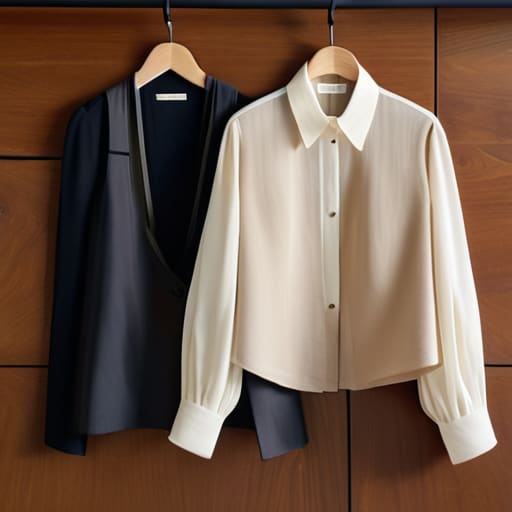
If you want to build a wardrobe that actually functions, you have to stop treating your closet like a collection of individual moods and start treating it like an equation. Most people approach building a timeless closet by buying “pieces,” but a piece is useless if it doesn’t mathematically connect to at least three other things you already own. I call this the Rule of Three: before a single cent leaves your wallet, you must be able to prove that the new item works with three existing silhouettes. If it only works with one specific pair of trousers and a very particular heel, it isn’t a garment; it’s a hostage situation for your budget.
Forget the influencer-driven hype around capsule wardrobe essentials that look great in a staged, empty room. Real life is messy. A mathematical approach means calculating your cost-per-wear against the reality of your weekly schedule. If you buy a £150 silk blouse that requires a £25 dry clean every time you touch it, that’s a bad equation. I’d rather see you spend that money on a heavy-weight cotton shirt with a generous seam allowance—something that can actually survive a trip to the tailor to be nipped in at the waist for the price of a latte.
The Fabric Audit Identifying Capsule Wardrobe Essentials That Survive
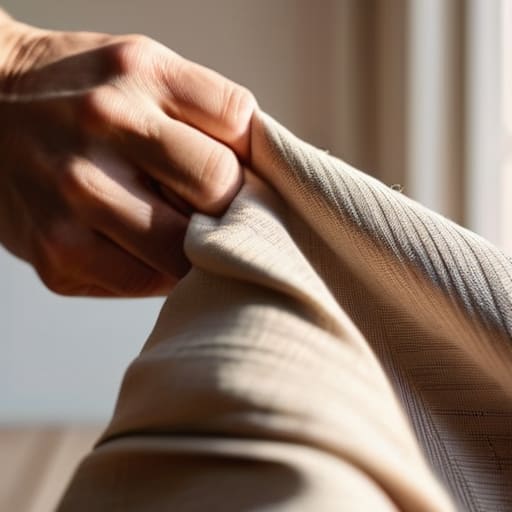
Before you even think about a shopping list, you need to perform a forensic audit on what you already own. I don’t care if a shirt is “on trend” right now; if the polyester blend is pilling after three washes, it’s not an asset, it’s a liability. When I’m looking at capsule wardrobe essentials, I’m looking for fiber density and seam integrity. Grab a piece you love and hold it up to the light. If the weave is loose and looks like it’s gasping for air, it’s going to lose its shape the moment it hits a washing machine.
Stop chasing the high of a new purchase and start studying your own fabric weights. Real clothing investment strategy isn’t about buying more; it’s about knowing that a 100% heavy-weight cotton tee will outlast five of those thin, “luxury” blends that shrink into doll clothes by October. Look for natural fibers—wool, linen, heavy cotton—and check the care labels. If the fabric feels like plastic or makes a swishing sound when you walk, leave it on the rack. You aren’t building a closet; you’re building a toolkit for your life.
Building a Timeless Closet Through Strategic Clothing Investment Strategy
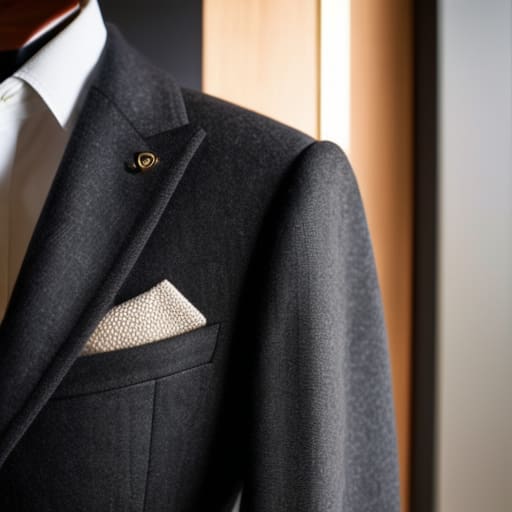
When people talk about a clothing investment strategy, they usually mean “buy the expensive brand name.” That is nonsense. A real strategy isn’t about the price tag on the receipt; it’s about the cost-per-wear and the structural integrity of the garment. If you buy a £200 polyester blazer that pills after three washes and has zero seam allowance for adjustments, you haven’t invested; you’ve just been conned. True building a timeless closet starts with looking at the construction. I want to see reinforced stitching, decent facing in the lapels, and natural fibers that actually breathe.
Stop treating your closet like a revolving door for micro-trends. Instead, lean into minimalist fashion principles: buy fewer, better things that can actually be altered to suit your changing body. If a piece doesn’t have enough fabric in the seams to be taken in or let out by a professional, leave it on the rack. You aren’t looking for “perfection” off the mannequin; you are looking for potential. A well-made wool trouser is a foundation; a trendy, flimsy fast-fashion piece is just future landfill.
Minimalist Fashion Principles Why Less Is Actually More Efficient
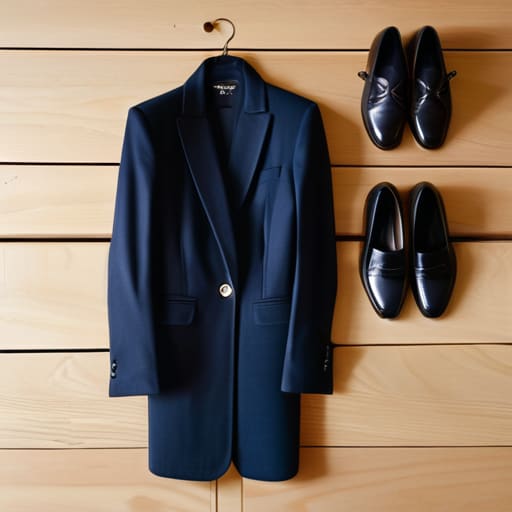
Minimalism isn’t about owning fifteen identical white t-shirts and living in a beige void; that’s just aesthetic asceticism, and it’s boring. Real minimalist fashion principles are about math and logistics. It’s about calculating the “cost per wear” against the actual utility of a garment. If you have a closet full of “statement pieces” that only work with one specific pair of shoes and a very particular bra, you don’t have a wardrobe—you have a collection of expensive, single-use obstacles. A functional closet relies on high-utility pieces that can be rearranged in at least three different ways for a Tuesday morning meeting or a Friday night drink.
Efficiency happens when your clothes stop fighting each other. When you focus on building a timeless closet, you’re essentially reducing the cognitive load of getting dressed. I tell my clients to stop looking for “newness” and start looking for interconnectivity. If a jacket doesn’t play nice with at least four of your existing trousers, it’s not a win; it’s a liability. True minimalism is about owning fewer things that actually work as hard as you do.
Mastering Seasonal Wardrobe Planning and Practical Wardrobe Organization Ti
Most people treat seasonal wardrobe planning like a frantic, panicked scramble in October when the first frost hits. They end up buying a cheap, polyester-blend coat because they didn’t prepare, and three months later, it’s a pilling mess in the bin. Instead, treat your seasons like a rotation of assets. Every six months, do a hard audit. If a piece didn’t get touched during the last season, don’t just shove it into a dark corner of the closet; ask yourself if it actually fits your life or if you’re just clinging to a version of yourself that no longer exists.
When it comes to actual wardrobe organization tips, stop thinking about aesthetics and start thinking about accessibility. If you have to dig through three layers of knitwear to find that one decent linen shirt, you won’t wear it. Group by weight and fabric, not just color. This makes it easier to see where your gaps are—like realizing you have five heavy wool sweaters but zero breathable layers for those weird transitional weeks. Good organization isn’t about looking like a Pinterest board; it’s about reducing the friction between you and getting dressed on a Tuesday morning.
The Real-World Checklist: 5 Things to Do Before You Buy Another Single Item
- Stop looking at the mannequin and start looking at your seam allowance. Before you buy, check if there is enough fabric in the side seams to actually let it out if your body changes. If it’s “slim fit” with zero wiggle room, you aren’t buying a garment; you’re buying a ticking time bomb of frustration.
- Do the “Wednesday Test” for every potential purchase. If that piece only works for a Saturday night out or a specific wedding, it’s dead weight. A real wardrobe is built on what you can wear on a random, rainy Wednesday when you have zero energy. If it doesn’t work with your most reliable pair of trousers, leave it on the rack.
- Learn the “Alteration Math” before you hit the checkout. A £40 skirt that needs a £25 waist adjustment is actually a £65 skirt. If the cost of making it fit perfectly pushes it into the price bracket of a high-quality, pre-fitted piece, you’ve just wasted your money on a project, not a garment.
- Audit your hardware, not just the fabric. Check the zippers, the buttons, and the thread tension. A beautiful wool coat is useless if the zipper is a cheap plastic nightmare that catches every time you move. I’ve seen more “investment pieces” ruined by a broken slider than by actual wear and tear.
- Stop chasing “micro-trends” and start hunting for silhouettes. Trends are just marketing designed to make you feel outdated by next Tuesday. Instead, find the specific shapes that work with your proportions—whether that’s a high-waisted wide leg or a structured shoulder—and build your collection around those proven winners.
The Math of a Real Wardrobe
Stop treating your closet like a shopping list and start treating it like a construction project; a real wardrobe isn’t built by buying more, it’s built by understanding seam allowances, fabric weight, and the fact that a £20 alteration on a well-made thrifted blazer is worth more than a £200 ‘investment’ piece that fits you like a cardboard box.
Neve Okonkwo-Barr
The Math Finally Adds Up
Look, we’ve covered a lot of ground, from auditing your fabric weights to understanding why that “investment” blazer is actually a waste of money if the seam allowance is non-existent. Building a wardrobe isn’t about the dopamine hit of a new delivery; it’s about the logic of the long game. It’s about knowing that a well-constructed wool trouser with a bit of extra room in the hem is worth ten polyester blends that pill after three washes. Remember: prioritize the construction, vet your fabrics like you’re looking for flaws in a structural beam, and always budget for the tailor. If you can’t afford to make it fit your specific body, you can’t afford to buy it.
At the end of the day, your clothes are just tools to help you navigate a Wednesday, a wedding, or a rainy Tuesday. They shouldn’t be a source of stress or a mounting pile of guilt in the corner of your room. Stop letting marketing departments convince you that your identity is something you can buy in a shopping bag. Real style isn’t found in a trend report; it’s found in the confidence of a perfect fit and the reliability of a garment that actually lasts. Go look at what you already own, find the pieces that deserve a little bit of love and a quick trip to the sewing machine, and start building from there.
Frequently Asked Questions
If I find a great vintage piece that fits my vibe but the shoulders are too wide, is it actually worth paying a tailor to fix, or is that just throwing good money after bad?
The short answer? Usually, no. Shoulder reconstruction is the “open heart surgery” of tailoring. It involves deconstructing the sleeve head and re-drafting the armscye, which can easily cost £40–£60 depending on the fabric. Unless that vintage piece is a heavy wool coat or a structured blazer you’ll wear for years, you’re likely throwing good money after bad. If the shoulder seam hangs off your bone, it’s a structural nightmare, not a quick fix.
How do I tell the difference between a "high-quality" fabric and just a heavy, expensive-feeling one that’s actually going to pill after three washes?
Don’t let weight fool you; heavy doesn’t mean durable. A thick, cheap acrylic sweater feels substantial in the shop, but it’s basically just plastic fluff that will pill before your first laundry cycle. Look for tight, consistent weaves. Give the fabric a gentle tug; if it snaps back immediately, the tension is good. If it stays saggy, it’s going to lose its shape by Tuesday. Check the fiber content—if it’s a blend, ensure the natural fiber is the star, not the filler.
I already have a closet full of clothes I never wear; do I need to start from scratch with a new capsule, or can I actually build a working wardrobe using what I already own?
You absolutely do not need to start from scratch. That’s just marketing trying to sell you a “reset” you don’t need. Most “closet full of nothing” problems are actually just fit and cohesion problems. We’re going to do a triage: pull out what actually fits your body right now, identify the pieces with good fabric, and then we’ll figure out what needs a £15 hem or a £20 waist nip to actually become wearable.
