I spent three years pinning hems in a basement studio, and if there is one thing I’ve learned, it’s that people use jewelry like a bandage for a wound that actually requires a tailor. We’ve been sold this lie that “minimalism” means buying a $400 set of gold-plated hoops just to look “effortless,” when in reality, most people are just trying to distract from a neckline that sits wrong or a shoulder seam that’s sagging. If you’re searching for how to accessorise minimally, stop looking at curated Pinterest boards of women who have nothing to do all day. Minimalism isn’t a price point or a specific brand of dainty chain; it is the intentional choice to let your clothes actually do their job without being shouted over by cheap, clashing metal.
I’m not here to sell you a capsule jewelry collection or tell you that a single pearl earring will fix a bad outfit. Instead, I’m going to show you how to look intentional using what you already own, focusing on scale, weight, and placement. I’ll tell you which metals actually hold their color through a Tuesday afternoon and how to pick one “hero” piece that makes a thrifted blazer look like it cost a month’s rent. This is about math and mechanics, not trends.
Stop Buying More How to Accessorise Minimally and Effectively
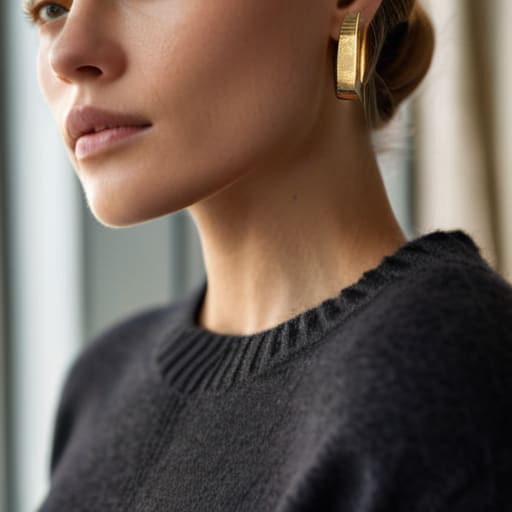
The biggest lie the fashion industry tells you is that a “complete” look requires a new layer of shine every time you step out the door. They want you to believe that a plain sweater is a blank canvas waiting for a $40 fast-fashion necklace that will turn green by Tuesday. It isn’t. Most of the time, your outfit doesn’t need more “stuff”; it needs better proportions. If you’re struggling with how to accessorise minimally, stop looking at your jewelry box and start looking at your silhouette. A single, substantial earring or a well-weighted belt can do more for your shape than a pile of cheap trinkets ever will.
This is where quality over quantity jewelry actually pays off in the maths. Instead of five sets of flimsy gold-plated hoops, find one pair of solid brass or sterling silver pieces that have enough weight to actually sit right on your ear. When you focus on curating a timeless accessory collection, you aren’t just buying things; you’re buying pieces that won’t need replacing in six months. Real style isn’t about the volume of accessories; it’s about the intentionality of the placement.
The Math of Quality Over Quantity Jewelry for Long Term Wear
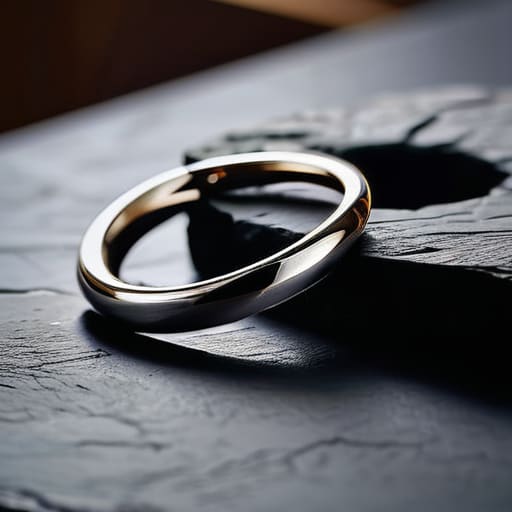
Let’s do the math, because the “cheap haul” high is a lie. If you buy five pairs of $10 earrings that turn your earlobes green by Tuesday, you haven’t saved $40; you’ve wasted $50 on literal trash. That is not quality over quantity jewelry; that is a subscription to frustration. Instead, take that same $50 and put it toward one decent pair of sterling silver hoops or a solid brass ring. When you apply minimalist fashion principles to your budget, you realize that one piece that survives a hundred washes and a thousand wears is infinitely cheaper than a drawer full of costume junk that ends up in a landfill.
I always tell my clients to look at the cost-per-wear. A single, well-made gold-vermeil necklace that you can wear with a white tee on a Wednesday or a blazer for a meeting pays for itself in three months. When you are curating a timeless accessory collection, you aren’t just buying “stuff”—you are buying durability. If the clasp feels flimsy or the metal feels weightless in a way that suggests it’s hollow plastic, walk away. Real style isn’t about how much you spend, but about how much your clothes actually last.
Applying Minimalist Fashion Principles to Your Current Collection
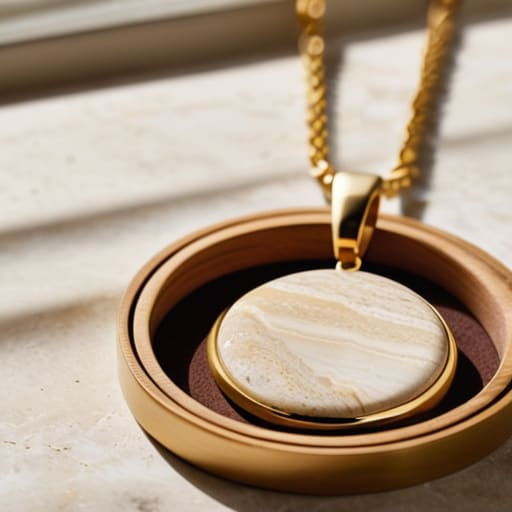
Before you click ‘add to cart’ on another gold-plated hoop set, I want you to go to your jewelry box and actually look at what you own. Most people treat accessories like a junk drawer, but applying minimalist fashion principles means treating them like tools. I want you to look for the pieces that actually hold their weight. Does that necklace sit flat against your collarbone, or does it twist because the chain is too flimsy? Does that belt actually hold your trousers up, or is it just a decorative strip of leather that’s going to crack in six months? If it doesn’t serve a structural or visual purpose, it’s just clutter.
Start by curating a timeless accessory collection from the scraps you already have. This isn’t about having less; it’s about having the right less. Pick three “heavy hitters”—the pieces that work with everything from a worn-in denim jacket to a structured blazer—and ignore the rest. When you use intentional styling techniques, like matching your metal tones or sticking to a specific scale of earring, you create a sense of cohesion that makes even a cheap thrifted sweater look intentional. Stop trying to fix a messy wardrobe with more stuff; start using the pieces that actually work.
Intentional Styling Techniques to Elevate a Wednesday Wardrobe
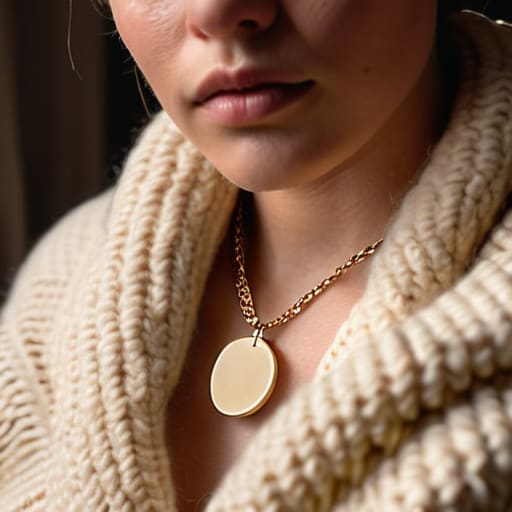
Instead of hunting for more things to add to your pile, focus on how you actually place what you already own. One of my favorite intentional styling techniques is playing with scale rather than sheer volume. If you’re wearing a heavy, oversized wool sweater—the kind that actually lasts three winters—a tiny, dainty necklace is going to get lost in the fabric and look like an afterthought. You need a piece with enough visual weight to hold its own against the texture. It’s not about being “extra”; it’s about ensuring your accessories don’t get swallowed by your clothes.
Another way to use subtle style accents to make a basic outfit feel finished is to focus on the “anchor points”: your ears, your wrists, and your waist. If your trousers are a bit loose in the waist, don’t just settle for a flimsy belt you bought on impulse. Find a leather belt with a decent structure and spend the £15 to have it shortened to your exact measurement. When your accessories are proportionally aligned with the silhouette of your clothes, you look put together without ever looking like you tried too hard.
Curating a Timeless Accessory Collection Through Subtle Style Accents
When we talk about curating a timeless accessory collection, we aren’t talking about a treasure chest of “statement pieces” that sit in a drawer for eleven months of the year. That’s just clutter with a price tag. Instead, I want you to look for the pieces that act like a well-placed seam—they shouldn’t scream for attention, but they should make everything else look intentional. Think of subtle style accents like a slim leather belt with a decent buckle or a pair of small, heavy hoops. These aren’t just extras; they are the structural supports of your outfit.
The goal is to find items that survive the “Wednesday test.” If you can’t wear it to a grocery run, a client meeting, and a casual dinner without feeling like you’re wearing a costume, it’s probably too much. I’m looking for capsule wardrobe accessories that feel substantial. If a necklace is so thin it feels like it might snap if you sneeze, it’s not a staple; it’s a liability. Aim for weight and durability so that when you do reach for them, you aren’t questioning if they’ll actually hold up.
5 Rules for Not Over-Complicating Your Look
- Check the hardware before you buy. If you’re pairing a gold-toned necklace with a bag that has heavy silver chunky zippers, you’re creating visual noise that makes an outfit look messy rather than intentional. Pick a metal and stick to it for the whole look; it costs nothing to coordinate and saves you from looking like you got dressed in the dark.
- The “One Focal Point” rule. If you’re wearing a statement earring, leave the neck bare. If you have a chunky belt that defines your waist, skip the heavy bracelets. You only have so much “visual real estate” on your body, and if you try to occupy all of it at once, you just look cluttered.
- Prioritize weight over shine. A thin, flimsy “gold” chain that turns your neck green after three wears is a waste of money. I’d rather see you wear one solid, slightly heavier brass or vermeil piece that actually hangs correctly on your collarbone than five layers of cheap plating that tangle every time you move.
- Use accessories to fix, not to hide. If a shirt is gaping at the bust, a heavy necklace won’t distract from it—it’ll just draw the eye straight to the problem. Get the shirt taken in for £15 instead of spending £30 on a necklace to “balance” a bad fit.
- Test your jewelry against your fabric textures. If you’re wearing a heavy, textured wool knit, a tiny, delicate chain will disappear and look like an accident. You need a bit more scale to compete with the fabric. Conversely, don’t wear heavy, jagged metal against a delicate silk blouse unless you want to risk snagging the fibers and ruining the garment.
The Accessory Trap
Stop trying to buy your way into a ‘look’ with five cheap gold-plated necklaces that will turn green by next Tuesday; if your outfit feels empty, you don’t need more clutter, you need a single piece that actually holds its shape and a silhouette that doesn’t require a jewelry box to distract from it.
Neve Okonkwo-Barr
The Bottom Line
Look, at the end of the day, minimal accessorizing isn’t about deprivation or pretending you don’t like shiny things; it’s about stopping the noise. We’ve spent this whole time talking about why you don’t need a new jewelry box every time a micro-trend hits your feed. We’ve looked at the math of buying one solid sterling silver hoop instead of five gold-plated ones that turn your earlobes green by Tuesday, and we’ve discussed how a single, well-chosen piece can actually anchor an outfit rather than cluttering it. If your clothes fit well and your accessories are intentional, you aren’t just “wearing an outfit”—you are curating a look that doesn’t require a frantic morning search through a pile of cheap trinkets.
My final piece of advice is this: stop letting marketing departments convince you that your personality is something you can buy in a blister pack at a fast-fashion retailer. Style is a skill, not a transaction. When you stop chasing the “more is more” high, you actually start to see the beauty in the things you already own, especially when they are maintained and loved. Build a collection that survives the wash, the wear, and the changing seasons. Because when you finally master the art of doing less, you’ll realize you actually look so much more like yourself.
Frequently Asked Questions
I have a lot of cheap, costume jewelry that looks fine in the mirror—is it actually worth paying a tailor or a jeweler to fix the clasps, or should I just bin it?
Bin it. If it’s cheap costume jewelry, the metal is likely a base alloy that’ll turn your skin green the moment a jeweler touches it. Spending £15 to fix a clasp on a £5 necklace isn’t “maths,” it’s a bad investment. Save that money for a decent pair of gold-filled hoops or a single solid silver ring. If the piece doesn’t have the structural integrity to survive a repair, it’s just clutter.
How do I know if a "minimalist" piece is actually high quality or just overpriced marketing designed to look like it?
Don’t look at the price tag; look at the hardware. If it’s “minimalist” but the clasp feels like hollow plastic or the plating looks like it’ll rub off by next Tuesday, it’s junk. Check the weight—real metal has substance. Look for seamless joins and smooth edges. If the “minimalism” is just a cover for thin, flimsy construction that can’t survive a drop, you aren’t buying a staple; you’re buying expensive landfill.
If I'm trying to keep things minimal, how do I stop my accessories from looking like I just forgot to finish getting dressed?
It’s the “unfinished” look that happens when you have zero intentionality. If you’re wearing a plain tee and jeans, a single tiny stud looks like an afterthought. You need one “anchor” piece—a substantial watch, a structured belt, or a heavy ring—to signal that the simplicity is a choice, not a mistake. Minimal isn’t “nothing”; it’s choosing one thing that actually has some weight and purpose.
