I spent three years in a basement studio surrounded by the scent of steam and industrial thread, pinning hems for women who were convinced their “style problem” was just one more Zara haul away from being solved. It’s a lie. The fashion industry has spent millions convincing you that your closet is empty when, in reality, it’s just uncoordinated. Most people think learning how to build outfits from what you own requires a Pinterest board and a massive budget, but they’re wrong. It’s not about curation; it’s about understanding the architecture of your clothes—knowing which heavy wool trousers can balance a flimsy silk camisole, or why that blazer looks “off” because the shoulder seam is fighting your natural frame.
I’m not here to give you a list of aesthetic “vibes” or tell you to buy a capsule collection of beige linen. I’m going to show you the actual mechanics of a wardrobe. We are going to look at fabric weights, seam allowances, and the math of a good fit to see what is actually worth your time. By the end of this, you’ll know exactly how to stop staring blankly at a full closet and start wearing the clothes you’ve already paid for.
Stop Buying Solutions How to Build Outfits From What You Own
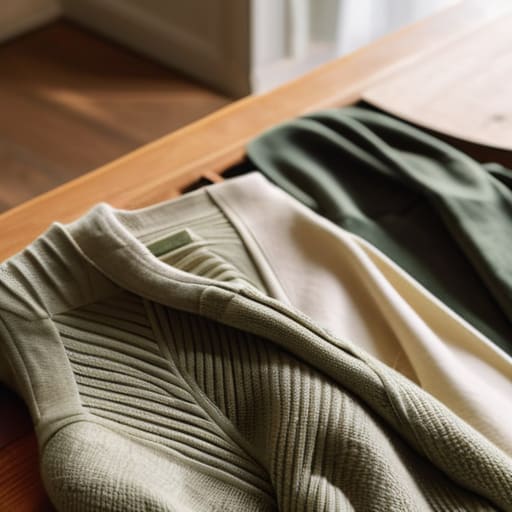
The biggest lie the fashion industry tells you is that your “style problem” can be solved with a transaction. They want you to believe that if you just had that specific linen blend trouser or that exact oversized blazer, your Tuesday mornings would suddenly feel effortless. It’s a scam. Most of the time, you aren’t missing a piece; you’re just missing a connection. Instead of chasing a new “solution” every time you feel uninspired, start by maximizing closet potential through what is already hanging in front of you.
Try using an outfit formula method to break the paralysis. Don’t look at a shirt as just a shirt; look at it as a structural element. Does it have enough weight to balance a skirt, or is the fabric too flimsy to stand up to a heavy denim? When you stop looking for “newness” and start looking at clothing item combinations based on texture and silhouette, the math starts to work. You’ll realize that the reason you feel like you have nothing to wear isn’t because your closet is empty, but because you haven’t actually looked at the seams and shapes you already paid for.
The Math of Maximizing Closet Potential Without New Purchases
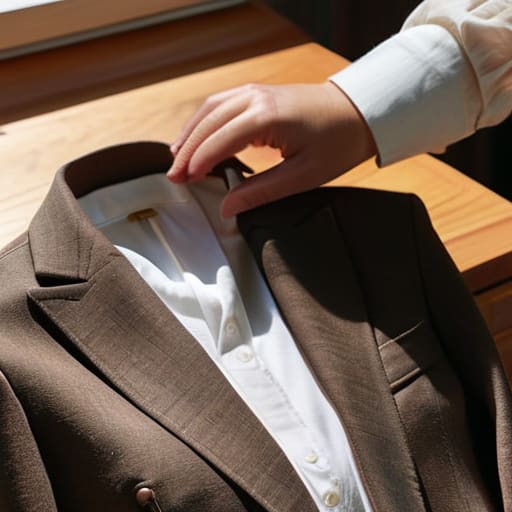
Let’s talk numbers, because “maximizing closet potential” isn’t some vague lifestyle goal; it’s basic arithmetic. When you buy a new piece, you aren’t just paying the sticker price; you’re paying the “opportunity cost” of the space it takes up and the mental energy required to style it. If you buy a £60 polyester blouse that only works with one specific pair of trousers, that’s a high-cost item. But if you take that same £60 and spend £15 of it on a tailor to nip in the waist of a vintage blazer you already own, you’ve suddenly unlocked five new clothing item combinations that didn’t exist yesterday.
The math works best when you apply a simple outfit formula method to your existing pieces. Pick your “anchor”—that one heavy-weight wool trouser or the perfectly broken-in denim—and calculate how many different top-and-shoe pairings it can support. If a single item can’t be worn in at least three different ways (casual, professional, and “something a bit nicer”), it’s not an investment; it’s a mathematical error. Stop looking for the missing piece and start looking at the multiplication factor of what’s already hanging in your wardrobe.
Mastering the Outfit Formula Method for Busy Wednesdays
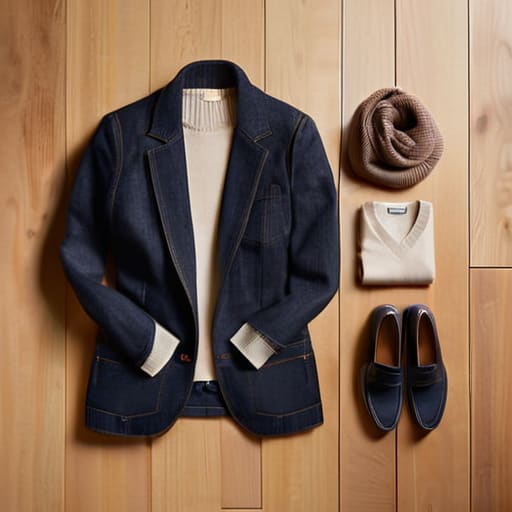
The reason you’re staring at your closet for twenty minutes every Wednesday morning isn’t because you lack clothes; it’s because you lack a system. You’re trying to invent a new look every single day, which is exhausting and, frankly, a waste of brainpower. Instead, I want you to use the outfit formula method. Think of it like a recipe rather than a creative masterpiece. A formula is just a reliable ratio: one structured piece (like a blazer or a heavy denim jacket), one soft piece (a knit or a silk slip), and one “anchor” (your favorite reliable trousers or jeans). Once you nail that ratio, you stop hunting for “the look” and start just grabbing the components.
This is where maximizing closet potential actually happens. When you stop looking at items as individual entities and start seeing them as variables in a formula, the math changes. If you know that a midi skirt + a chunky sweater + boots always works, you aren’t “styling” anymore—you’re just executing. It takes the decision fatigue out of your morning and ensures you actually look put-together, even if you only slept five hours.
Decoding Clothing Item Combinations Through Capsule Wardrobe Principles
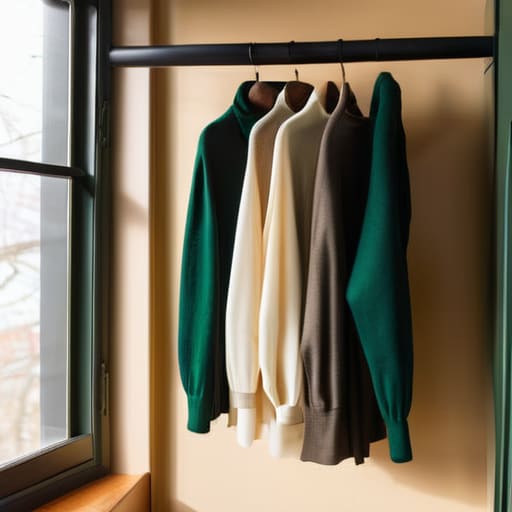
When people talk about a capsule wardrobe, they usually make it sound like a restrictive cult where you’re only allowed to own fifteen beige linen shirts. That’s not what I mean. To me, applying capsule wardrobe principles is actually about understanding the relationship between your pieces. It’s about looking at a skirt not as a standalone item, but as a partner to three different tops and two different weights of knitwear. If a piece in your closet doesn’t have at least two potential “partners” already sitting on your hangers, it’s not a versatile item; it’s just extra fabric taking up space.
The secret to mastering these clothing item combinations lies in balancing proportions and textures rather than chasing colors. I always tell my clients to look for the “anchor” piece—usually something with a bit of structure, like a heavy denim or a crisp cotton—and then pair it with something that moves, like a silk slip or a soft jersey. If you can match a structured bottom with a fluid top, you’ve solved the silhouette. Once you stop seeing clothes as individual units and start seeing them as interlocking components, you stop feeling like you have nothing to wear.
Sustainable Fashion Habits Organizing Your Wardrobe for Real Utility
Most people treat their closet like a graveyard of “maybe one day” pieces and “I felt cute in this once” regrets. If you want to actually use what you have, you need to stop organizing by color or category and start organizing by utility. I’m talking about grouping items by how they actually function in your life. Put your “workhorse” items—the trousers that don’t pinch and the knits that don’t pill after one wash—in the prime real estate of your wardrobe. When you can see your reliable foundations clearly, you stop reaching for that fast-fashion top that sits at the bottom of the pile and makes you feel like you have nothing to wear.
Real sustainable fashion habits aren’t about buying organic linen; they are about knowing exactly what is in your drawer so nothing goes to waste. Try a “utility audit”: if a garment is sitting there because the waist is too tight or the hem is awkward, don’t hide it in the back. Move it to a “to-be-fixed” basket. Investing ten pounds in a tailor to nip in a waistline is the most effective way of maximizing closet potential without spending a cent at the mall. A wardrobe that works is one that is curated for your real life, not your fantasy life.
The "Actually Wearable" Checklist: 5 Ways to Stop Staring at a Full Closet and Feeling Like You Have Nothing to Wear
- The Three-Piece Rule (with a seam allowance): An outfit is rarely just a top and a bottom; it’s a top, a bottom, and a “third piece” that provides structure. That third piece is usually a blazer, a heavy knit, or a structured denim jacket. If your outfit feels “unfinished,” it’s probably because you’re missing that third layer to anchor the silhouette.
- Check the Fabric Weight Balance: Stop pairing a heavy, chunky wool sweater with thin, flimsy jersey leggings unless you want to look like you’re wearing pajamas. To make an outfit look intentional, you need contrast. Pair heavy textures (denim, corduroy, wool) with lighter ones (silk, poplin, fine knits) to create visual depth that doesn’t require a new purchase.
- The “Tailor Test” Audit: Before you write off that oversized blazer or those trousers that “just don’t sit right,” look at the seams. If the issue is a hem that’s too long or a waist that’s a bit loose, that’s a £15 fix, not a reason to donate them. Most people abandon great clothes because they’re too lazy to visit a tailor, but a quick nip in the waist turns a “nothing to wear” item into a staple.
- Color Anchoring via Neutrals: If you’re struggling to combine pieces, pick one “anchor” color—usually a neutral like navy, black, charcoal, or cream—and build around it. If your trousers are navy, your top can be any color, but keeping your shoes or jacket in that same neutral family creates a cohesive line that makes a random assortment of clothes look like a curated collection.
- The Silhouette Swap: If you always wear baggy on baggy or tight on tight, you’re going to feel shapeless. If you’re wearing wide-leg trousers, your top needs to be more fitted or tucked in to show your waist. If you’re wearing an oversized sweater, try a slimmer pant. It’s basic geometry, not a fashion trend, and it’s the fastest way to make old clothes look new.
The Truth About Your Closet
Stop waiting for that one ‘missing’ piece to arrive in the mail before you start getting dressed; your style isn’t stuck because you lack items, it’s stuck because you haven’t looked at the seam allowance, the fabric weight, and the actual utility of what’s already hanging in your wardrobe.
Neve Okonkwo-Barr
The Bottom Line
At the end of the day, building a wardrobe that actually works isn’t about some magical haul from a high-street sale; it’s about the math of what you already have sitting in your drawers. We’ve covered how to stop treating every outfit gap as a reason to click ‘add to cart,’ how to use formulas to survive a chaotic Wednesday, and why a well-organized closet is more useful than a mountain of unwearable trends. If you can master the art of seeing your clothes as building blocks rather than individual problems to be solved, you’ve already won. Remember: a garment’s value isn’t in its price tag, but in how many different ways you can actually make it work for your real, messy life.
Please, stop letting marketing departments convince you that you are one purchase away from feeling put-together. You aren’t a broken machine that needs new parts; you are likely just someone with a closet full of potential that hasn’t been properly introduced to itself yet. Take a breath, grab a steamer, and look at your clothes with a bit more respect. Style isn’t something you buy—it’s something you curate from the life you’ve already built. Now, go find that one blazer you haven’t worn in six months and see if a quick trip to the tailor can make it your new favorite thing.
Frequently Asked Questions
I have a lot of clothes, but they all feel "seasonal" or too specific—how do I bridge the gap between pieces that don't seem to talk to each other?
You’re dealing with a “texture and weight” mismatch. If you’ve got a heavy wool skirt and a flimsy silk camisole, they’ll never shake hands. To bridge the gap, you need “mediator” pieces—think mid-weight cotton tees, denim, or a jersey knit that can sit between the extremes. Also, check your hardware; if one piece is all heavy brass and the other is delicate silver, they’ll fight. Fix the visual friction, and the seasons will follow.
What do I do if the clothes I actually want to wear don't fit quite right, making me avoid them when I'm trying to build an outfit?
If you’re avoiding a piece because it pinches your waist or drags on the floor, stop treating it like a lost cause. That’s just a technical error, not a body error. Most “unwearable” clothes just need a quick intervention. A waist nip or a hem adjustment usually costs less than a decent lunch and makes the garment actually live in your rotation. Don’t let a bad seam dictate your style. Fix the fit, not the person.
How can I tell if a piece is actually worth the effort of styling, or if it's just taking up space because I'm sentimental about it?
Be honest: if you wouldn’t wear it to a coffee date today, it’s a museum piece, not a wardrobe staple. Hold it up. If the fabric is pilling, the seams are pulling, or the silhouette makes you want to slouch, it’s dead weight. Don’t let a memory justify a bad fit. If it takes more than five minutes to “make it work,” it’s not worth the mental energy. Let it go.
