Stop letting “minimalist influencers” convince you that building a capsule wardrobe requires a £2,000 budget and a beige-only color palette. It’s a total scam. They make it look like a lifestyle choice for people with endless bank accounts, when in reality, most of us are just trying to figure out how to build a capsule wardrobe honestly without feeling like we’re wearing a costume of someone else’s aesthetic. I spent two years in a basement studio pinning hems for people who actually had clothes to wear, and I can tell you: a capsule isn’t about how little you own, it’s about how much your clothes actually work when you’re running for a bus on a rainy Wednesday.
I’m not here to sell you on a “curated collection” of overpriced linen shirts that will pill after three washes. Instead, I’m going to show you the actual math of a functional wardrobe. We’re going to talk about fabric weight, why your thrifted blazer is a steal only if the shoulder seams aren’t shot, and exactly which alterations are worth your money. This is about building a kit that survives real life, not a Pinterest board.
Stop Shopping for Style How to Build a Capsule Wardrobe Honestly
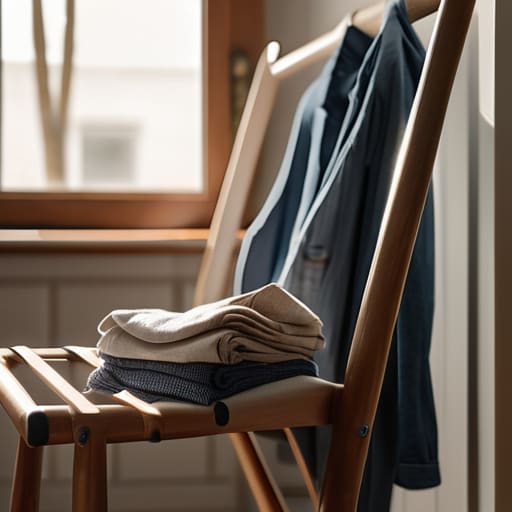
The biggest lie the industry tells you is that a capsule wardrobe starts with a shopping trip. They want you to think you need a fresh set of “essentials” to begin, but that’s just marketing disguised as minimalism. If you want to actually succeed at building a versatile closet, you have to start with what is already hanging in your room. My version of the wardrobe decluttering process isn’t about throwing everything away to make space for new things; it’s about looking at your current pile and being brutally honest about what actually fits your body right now.
If a shirt makes you feel like you’re holding your breath, it doesn’t belong in your “capsule,” no matter how much you paid for it. Instead of buying more, look for the pieces that are almost perfect and figure out if they are worth the fix. A twenty-pound hem or taking in a waist is much cheaper than buying a new garment that still won’t sit right. Real quality over quantity clothing isn’t about the brand name on the label; it’s about the structural integrity of the fabric and how much life you can squeeze out of it with a needle and thread.
The Wardrobe Decluttering Process Identifying What Actually Serves You
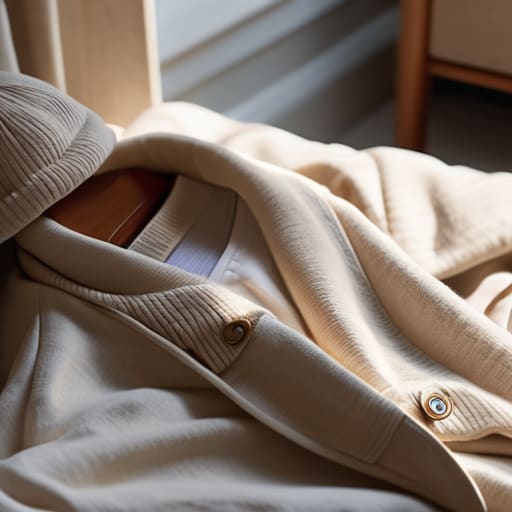
Before you even think about buying a single “staple” piece, you need to perform an autopsy on what you already own. Most people approach the wardrobe decluttering process by looking for what they hate, but that’s a mistake. You should be looking for what actually works. Pull everything out—yes, everything—and lay it on the bed. I want you to touch the fabric. If it’s pilling, if the seam allowance is so thin it’s fraying, or if it’s that specific kind of polyester that makes you feel like you’re wearing a bin bag, it goes. You aren’t just tidying; you are auditing.
As you sort, categorize items by how they actually function in your life. We aren’t dressing for a hypothetical version of you who attends gallery openings every Tuesday; we are dressing for the person who has to commute and sit in meetings. Look for the intersection of fabric durability and real-world utility. If a shirt is beautiful but requires a professional steam and a prayer every time you wear it, it isn’t a versatile piece—it’s a chore. Your goal is to find the survivors: the pieces that have survived the wash, the wear, and your own changing moods.
Minimalist Clothing Principles Why Your Expensive Coat Might Be Failing
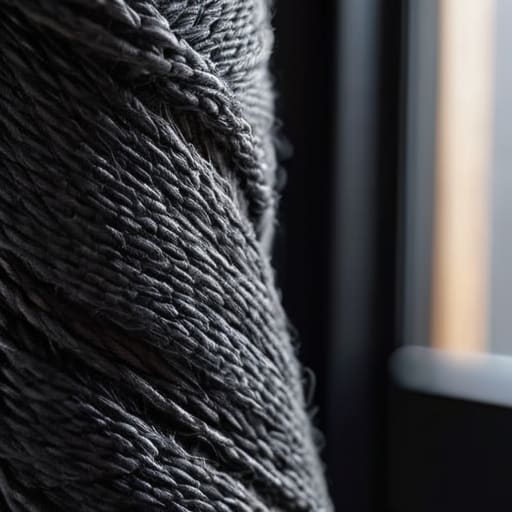
We need to talk about the “luxury” trap. I’ve seen people drop four figures on a designer wool coat only to have it pill within three weeks or lose its shape the moment it hits a humid day. Just because a brand has a high-fashion marketing budget doesn’t mean the construction is sound. When I look at a garment, I’m not looking at the logo; I’m looking at the seam allowance and the fiber content. A high-end coat made of a thin, synthetic blend is a terrible deal, whereas a mid-range piece made of heavy, tightly woven wool is a winner every single time.
This is where quality over quantity clothing actually becomes a mathematical reality rather than a buzzword. If your “investment” piece requires a specialist restorer every six months just to stay together, it isn’t an investment—it’s a liability. True minimalist clothing principles aren’t about owning nothing; they are about owning things that actually work. I’d rather you have three shirts with reinforced stitching and decent drape than ten “trendy” tops that fall apart after two washes and a trip to the dry cleaners.
Quality Over Quantity Clothing the Maths Behind Every Single Purchase
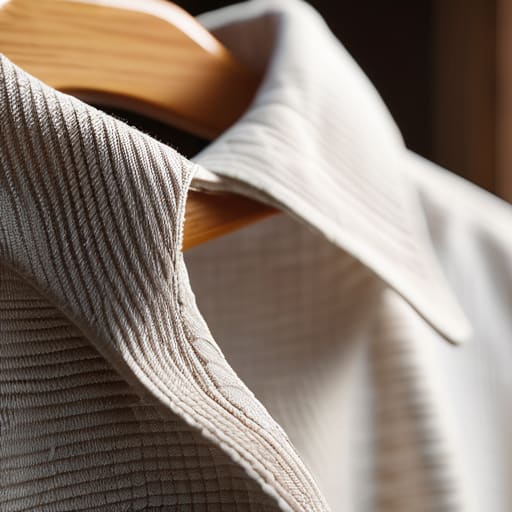
Stop looking at the price tag and start looking at the fiber content. If you’re buying a £40 polyester blend sweater because it’s “cheap,” you aren’t saving money; you’re just pre-ordering a trip to the landfill. When I talk about quality over quantity clothing, I’m not talking about buying luxury labels. I’m talking about the math of cost-per-wear. A £100 organic cotton shirt that survives fifty washes and holds its shape is infinitely cheaper than four £25 synthetic tops that pill, stretch, and look like sad dishcloths after three weeks.
To make this work for sustainable fashion on a budget, you have to become a bit of a detective. Check the seams: are they straight, or is the thread pulling? Feel the weight. If a fabric feels thin enough to see through when you hold it up to the light, it’s going to fail you by mid-November. Real value isn’t found in a sale rack; it’s found in the integrity of the construction. If the fabric can’t stand up to a standard laundry cycle, it has no business being in your closet.
Building a Versatile Closet Using Smart Capsule Wardrobe Color Palettes
Forget the “aesthetic” mood boards on Pinterest that suggest you need a specific shade of sage green or dusty rose to be cohesive. Those palettes are designed to make you shop, not to make your life easier. When you are building a versatile closet, color is a functional tool, not a trend to follow. I tell my clients to look at their skin undertones and their existing most-worn pieces first. If you have five navy trousers and three black skirts, trying to force a camel-colored capsule into the mix is just going to result in a drawer full of clothes that don’t talk to each other.
The secret to capsule wardrobe color palettes that actually work on a Wednesday is a strict ratio: two neutrals, one “bridge” color, and maybe one accent. Neutrals—think charcoal, navy, cream, or chocolate—should handle the heavy lifting of your fabric investments. The bridge color is what connects them, like a mid-grey or a denim blue. If you stick to this, you aren’t just playing with colors; you’re applying minimalist clothing principles to ensure that every single item you own can be worn with at least three others without a second thought.
The Real-World Rules for a Wardrobe That Doesn't Lie to You
- Check the seam allowance before you commit. If you buy a “minimalist” piece with zero room for error in the seams, you aren’t building a capsule; you’re building a ticking time bomb that will be unwearable the moment you gain five pounds or need a slight adjustment.
- Stop falling for the “natural fiber” trap if the weave is rubbish. I don’t care if it’s 100% linen if the thread count is so low it looks like a tea bag after three washes; look for weight and density, because a heavy cotton will outlive a flimsy silk every single time.
- Run the “Wednesday Math” on every new addition. If a piece only works for a Saturday night out or a specific “aesthetic” you saw on TikTok, it’s not a capsule item—it’s clutter. If it can’t survive a rainy, mid-week commute to a boring meeting, leave it on the rack.
- Budget for the tailor, not just the tag. A £40 skirt that needs a £15 waist nip is a better “investment” than a £150 skirt that sits awkwardly on your hips because the brand assumed everyone has the same proportions.
- Respect the hardware. If the zipper feels scratchy or the buttons are made of that lightweight, hollow plastic that feels like it’ll snap if you breathe on it, the garment is cheap regardless of what the label says. Quality is in the bits you touch every day.
The Real Math of a Capsule Wardrobe
A capsule wardrobe isn’t a collection of ‘aesthetic’ beige linen sets you saw on a mood board; it’s a strategic inventory of garments that actually survive your Tuesday morning commute and can be fixed by a tailor without costing more than the item itself. If you can’t wear it three different ways and wash it twice a week without the seams puckering, it’s not a capsule piece—it’s just clutter with a higher price tag.
Neve Okonkwo-Barr
The Real Work Starts in Your Closet
At the end of the day, building an honest capsule wardrobe isn’t about achieving some Pinterest-perfect aesthetic of beige linens and empty hangers; it’s about the math of your actual life. It’s about realizing that a £40 organic cotton shirt that survives twenty washes is infinitely better than a £150 “designer” piece that loses its shape after one trip to the dry cleaners. We’ve covered the importance of checking seam allowances, the necessity of a color palette that doesn’t fight itself, and why your next move should probably be a trip to the tailor rather than the mall. Remember, a wardrobe that works on a Wednesday is built on fabric integrity and proper fit, not on the latest trend cycle that’s designed to make you feel inadequate.
Stop waiting for a “new version of you” to arrive with a brand-new shopping list. That person doesn’t exist, and they certainly don’t need more clothes to be happy. Real style is found in the clothes that actually sit right on your shoulders and the pieces you don’t have to fight with every morning. You have enough; you just need to make what you own work for your body instead of trying to force your body to work for the clothes. Go look at your closet, find the things that actually serve you, and start building from there.
Frequently Asked Questions
I have a bunch of clothes that fit perfectly but I hate wearing them; does that mean they don't belong in my capsule?
If it fits perfectly but you hate wearing it, it’s dead weight. A capsule wardrobe isn’t a museum of “correct” measurements; it’s a toolkit for your actual life. If you’re avoiding a piece because the fabric feels itchy, the silhouette makes you feel invisible, or the color just drains your face, it doesn’t matter if the seams are flawless. If it doesn’t make you feel like you on a Tuesday, get it out.
If I find a great piece at a charity shop that's slightly the wrong size, how much should I realistically budget to get it tailored so it actually works?
Don’t let a “size” tag stop you from a great find, but do the math first. If it’s a simple hem or taking in side seams, budget £15–£25. That’s a win. But if you’re looking at reshaping shoulders or moving a zipper, you’re looking at £40+. If the alteration costs more than the item itself, walk away. A charity shop gem isn’t a bargain if you’re paying a premium to make it wearable.
How do I stop myself from buying "basics" that look good in the shop but fall apart after three washes?
Stop looking at the model and start looking at the light. Hold the fabric up to a window; if you can see the outline of your hand through a “heavyweight” cotton tee, it’s going to lose its shape by Tuesday. Check the seams, too. If the stitching is thin and uneven, it’s a ticking time bomb. If it’s 100% polyester and feels like a plastic bag, walk away. It’s not a bargain if you’re replacing it in a month.
