Most “experts” will tell you that a complete guide to wardrobe auditing requires a minimalist aesthetic, a capsule collection of beige linens, and a massive credit card bill to replace everything you “wrongly” owned. Honestly, that’s nonsense. They want you to think your closet is broken so you’ll buy a new version of it, but I’ve spent two years in a basement studio pinning hems for people who actually have places to be, and I can tell you: your problem isn’t a lack of clothes, it’s a lack of utility. You don’t need a brand-new identity; you usually just need to figure out why that one blazer makes you feel like you’re wearing a cardboard box.
I’m not here to sell you a lifestyle or a specific brand of aesthetic. Instead, I’m going to walk you through a real, gritty audit that looks at fabric weight, seam integrity, and actual wearability. We are going to look at what you own through the lens of a tailor, not a trend-forecaster. I’ll show you how to spot the pieces worth a £15 alteration and which ones are just taking up space, so you can finally build a wardrobe that actually works on a Wednesday.
Understanding Complete Guide to Wardrobe Auditing
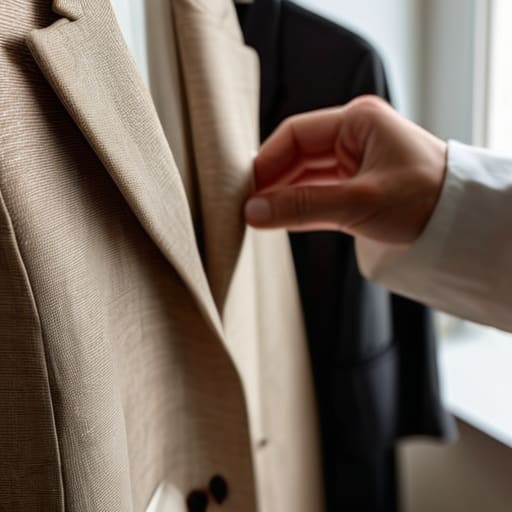
Before you start throwing things into bin bags, we need to clear something up: an audit isn’t just a fancy word for cleaning. Most people treat this like a chore, but I see it as a forensic investigation. You aren’t just looking for what you hate; you are looking for why you aren’t wearing what you own. Is that linen blazer sitting in the back because the shoulder seam is too wide, or because the fabric is so sheer it feels flimsy? If you don’t understand the why behind the clutter, you’ll just end up buying the same mistakes again next month.
The goal here isn’t to achieve some Pinterest-perfect aesthetic; it’s about identifying your capsule wardrobe essentials—the pieces that actually survive a Tuesday morning rush. As you go through your racks, look for the structural truth of your clothes. I want you to spot the heavy-weight cottons that hold their shape versus the cheap synthetics that pill after three washes. Once you distinguish between what’s actually useful and what’s just taking up air, you’ll find that organizing closet space becomes a side effect of actually knowing what you have.
Key Things to Know
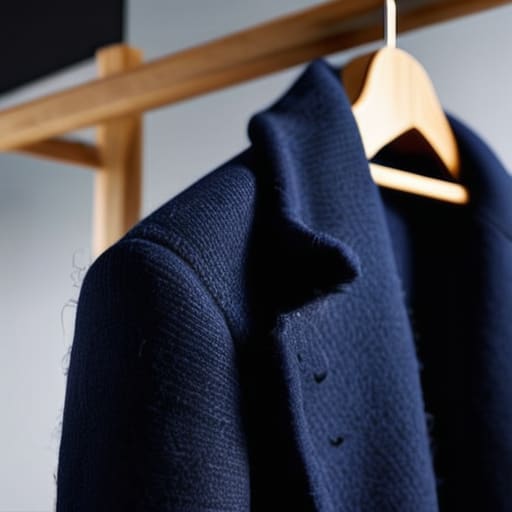
First, forget the aesthetic Pinterest version of this process. A real audit isn’t about aesthetic minimalism or buying a set of matching velvet hangers; it’s about a cold, hard assessment of what actually lives on your body. You need to look at your clothes through the lens of fabric integrity and seam strength. If a sweater has pilled so badly it looks like a felt coaster, or if the shoulder seams on that “investment” blazer are drooping because the interfacing has disintegrated, it’s not a wardrobe staple—it’s clutter.
Second, we need to talk about the math of your closet. Instead of following generic decluttering clothing tips that tell you to just “get rid of what doesn’t spark joy,” I want you to ask: “Can this be fixed?” If a pair of trousers fits your hips but drags on the floor, that’s a £15 hem, not a reason to bin them. My goal is to help you identify your true capsule wardrobe essentials—the pieces that actually survive a Wednesday morning rush—while separating the items that are genuinely useful from the ones you’re just keeping because you feel guilty about the price tag.
Practical Tips and Steps

First, clear the floor. You cannot audit a closet if you are fighting against a mountain of fabric. Empty everything out—yes, even the things you “might wear if the weather changes”—and lay it all on the bed. As you pick up each piece, ask yourself two questions: Does the fabric still feel substantial, and does the fit actually respect my body? If you find a beautiful wool blazer that makes you feel like you’re wearing a cardboard box because the shoulders are too wide, don’t bin it. That’s not a failure; it’s a project. Instead of looking for decluttering clothing tips that involve throwing things away, look for the pieces that just need a seamstress to breathe life back into them.
Next, categorize what’s left into “ready to wear” and “needs work.” For the “needs work” pile, I want you to be ruthless about the math. If a pair of trousers costs £20 and needs a £15 hem, that’s a win. If a designer skirt needs a complete structural overhaul that costs more than the garment is worth, let it go. As you sort, keep your capsule wardrobe essentials in mind—those reliable, high-quality pieces that actually survive a Wednesday morning rush. This isn’t about having a perfect aesthetic; it’s about knowing exactly what you have so you stop buying duplicates of things you already own.
Common Mistakes to Avoid
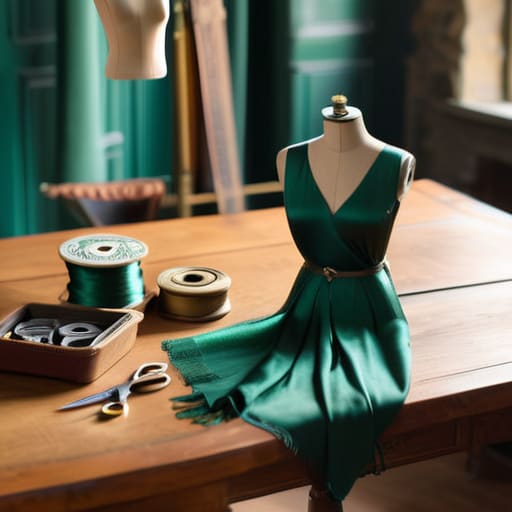
The biggest mistake I see? People treat an audit like a purge rather than a repair job. Most people go into this thinking they need to follow every viral decluttering clothing tip and throw away anything that doesn’t spark “pure joy.” That is a waste of money. If you have a gorgeous silk slip dress that just sits weirdly at the hip, don’t bin it. That’s not a “keep or toss” decision; that’s a “take it to my studio” decision. If you discard every garment that isn’t a perfect 10/10 right now, you’re just setting yourself up to spend more money on replacements that will likely have the same fit issues.
Another trap is the “aspirational closet” syndrome. We’ve all done it—holding up a size 6 sequined mini skirt we bought for a festival three years ago, pretending we’re still that person. When you’re auditing, be honest about your actual life. If you work from a desk five days a week, stop trying to force a rotation of stiff, uncomfortable trousers into your daily lineup. Focus on sustainable fashion choices by keeping what actually works for your Tuesday-to-Friday reality, rather than keeping ghosts of people you used to be.
Final Thoughts
Look, I’m not going to tell you that a weekend of sorting through piles of fabric is going to magically transform you into a runway model. It won’t. But it will stop that low-grade panic you feel every Tuesday morning when you realize you have nothing to wear despite a closet bursting at the seams. Auditing your clothes isn’t about achieving some Pinterest-perfect aesthetic; it’s about knowing exactly what you have so you can stop wasting money on things you’ll never actually wear.
Once you’ve finished the heavy lifting, don’t just shove the “maybe” pile back into a corner. Use this as a moment to commit to better sustainable fashion choices. If a piece is high-quality but just fits poorly, take it to a tailor. If it’s genuinely dead weight, look into meaningful clothing donation ideas rather than just tossing it in a textile bin. The goal isn’t to have a tiny, precious collection of capsule wardrobe essentials that you’re afraid to touch; it’s to have a functional, reliable rotation that actually works for your real, messy, Wednesday-morning life.
5 Ways to Audit Without Losing Your Mind (or Your Money)
- Stop the ‘Maybe’ Pile: If you haven’t worn it in a year because you’re “waiting for the right moment” or “waiting to fit into it,” it’s not a wardrobe piece, it’s a ghost. Let it go. A ghost won’t help you get ready on a Tuesday morning when you’re running late.
- The Fabric Stress Test: When you’re pulling things out, don’t just look at the color. Check the seams and the weight. If the polyester is pilling or the cotton has lost its structural integrity, no amount of styling will save it. If it’s falling apart, it’s trash, not a ‘vintage find.’
- Calculate the ‘Tailor Math’: Before you toss a piece because the waist is too loose or the hem is too long, ask yourself: What is the cost of the fix? If a £15 hem makes a £30 skirt look like a £100 skirt, that’s a win. If the alteration costs more than the garment is worth, let it go.
- Audit for ‘Wednesday Reality’: We all have the “Saturday Night” clothes—the things that look great in a mirror but feel impossible to wear to a casual lunch or a desk job. If it doesn’t work for a standard, mid-week life, it’s taking up valuable real estate in your closet.
- Check the Shoulders, Not the Size: Forget the number on the tag; labels are lies. When auditing, look at where the shoulder seam hits. If the shoulder fits but the rest is baggy, you have a goldmine. If the shoulder is too narrow, that garment is structurally doomed and a tailor can’t magically add fabric where there isn’t any.
The Real Cost of a Closet Audit
A wardrobe audit isn’t about counting how many things you own; it’s about realizing that most of your ‘nothing to wear’ days are actually just ‘nothing fits right’ days. Stop looking for what to add, and start looking at what needs a seamstress, a steamer, or a one-way ticket to the donation bin.
Neve Okonkwo-Barr
The Bottom Line
Look, auditing your wardrobe isn’t about achieving some Pinterest-perfect, minimalist fantasy where you only own five beige linen shirts. It’s about the math. It’s about realizing that the $200 trousers sitting at the back of your closet are actually a waste of money because they don’t fit your current shape, while that $15 charity shop blazer is a goldmine once you pay a tailor £15 to nip in the waist. We’ve covered the fabric checks, the way to spot a seam that’s going to fail after three washes, and how to stop the cycle of buying “emergency” outfits for events you’ll never attend. Remember: a successful audit doesn’t end with a pile of donations; it ends with a functional rotation of clothes that actually work on a random Tuesday morning.
At the end of the day, your clothes should serve you, not the other way around. Stop letting the marketing machine convince you that your lack of style is a lack of stuff. Most of the time, you don’t need more; you just need better decisions regarding what you already own and how it sits on your body. Go through your hangers with a critical eye, be ruthless about what’s actually wearable, and please, for the love of everything, take that one piece to the tailor instead of buying a new one. You’ll feel better, your bank account will thank you, and you’ll finally stop dressing for the person you think you should be and start dressing for the person you actually are.
Frequently Asked Questions
I found a high-quality wool blazer that fits my shoulders perfectly but is way too long in the sleeves; is it actually worth paying a tailor to fix, or should I just let it go?
If the shoulders fit, you’ve already won the hardest battle. Shoulders are the structural anchor; if they’re wrong, the blazer is trash. Long sleeves are just a math problem. Getting them shortened usually costs between £15 and £30, depending on if there are buttons to move. If it’s high-quality wool, that’s a cheap price to pay to turn a “meh” find into a staple. Fix it. Don’t let a bit of extra fabric kill a good garment.
How can I tell if a piece of clothing is actually "good quality" or just well-marketed when I'm going through my piles?
Stop looking at the brand name and start looking at the construction. Grab the fabric and squeeze it—if it stays wrinkled like a discarded napkin, it’s cheap. Check the seams: if you see light through them or the stitching is uneven, walk away. Look for natural fibers like cotton, wool, or linen; polyester is basically wearing a plastic bag. Finally, check the weight. If a “premium” blazer feels flimsy, it’s just clever marketing.
If I realize most of my clothes don't fit me anymore, do I try to fix everything at once, or is there a specific order I should prioritize?
Please, do not try to fix everything at once. You’ll end up with a mountain of fabric, a massive bill, and a total meltdown. Start with your “uniform”—those pieces you actually want to wear three times a week. If a pair of trousers costs £15 to hem and makes you feel human again, do that first. Prioritize high-quality fabrics that can actually survive a seam adjustment. Fix the essentials; leave the “maybe” pile alone.
