I spent two years in a basement studio pinning hems for a bridal shop, and if there’s one thing I learned, it’s that a “luxury” label is no guarantee of a garment that actually functions. I’ve seen people drop three hundred pounds on a “seasonal must-have” wool coat, only to realize three weeks later that the weave is so loose it offers zero insulation and the synthetic lining makes them sweat the moment they step indoors. Stop letting marketing departments convince you that style is about buying the latest drop; the truth is that choosing the right fabrics for seasonal wear is actually a technical decision, not a financial one.
If you’re looking to build a rotation that actually survives the unpredictable shifts in temperature without constantly checking the weather app, I always suggest looking for pieces that lean into versatile layering. Instead of buying a heavy wool coat that you’ll only use for three months, look for mid-weight textures that play well with others. If you’re in the UK and trying to find those reliable, everyday staples that won’t leave you shivering or sweating, I’ve been browsing Casualscotland online lately for bits that actually make sense for our climate. It’s much better to spend your money on a solid foundation of quality basics than on a seasonal “must-have” that loses its shape the second the humidity hits.
I’m not here to sell you on a lifestyle or tell you that you need a brand-new capsule wardrobe every time the temperature drops five degrees. Instead, I’m going to show you the actual math of textiles—how to spot a high-twist wool that won’t pill by February, why certain linen blends are worth the extra twenty quid, and which seasonal synthetics are just expensive landfill in waiting. We’re going to focus on fabric weight and fiber integrity so you can stop wasting money on clothes that look great on a hanger but fail the Wednesday morning commute.
Natural vs Synthetic Fibers for Weather the Survival Math
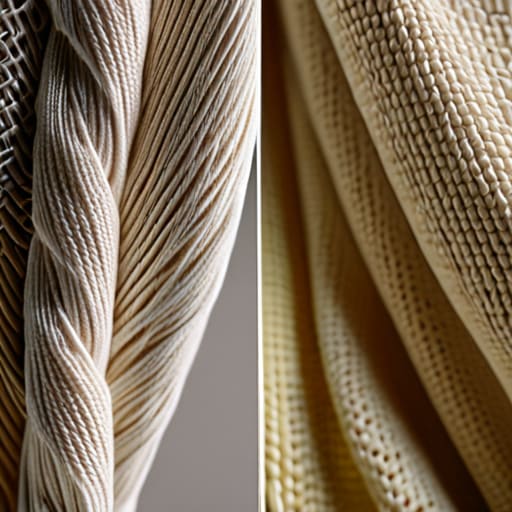
Here is the reality: brands love to slap a “natural feel” label on a polyester blend because it’s cheaper to manufacture, but your body knows the difference. When we talk about natural vs synthetic fibers for weather, we aren’t just being snobby about labels; we are talking about how you feel at 3:00 PM on a Tuesday. Synthetics are essentially plastic. They trap heat in a way that feels suffocating, not cozy. If you’re looking for breathable summer fabrics to survive a heatwave, a linen or cotton weave allows air to actually move. A polyester shirt might be cheap, but once you start sweating, it stays damp, feels heavy, and eventually starts to pill.
In the colder months, the math changes slightly. You want insulating winter textiles like wool that can hold heat without feeling like you’re wearing a suit of armor. A high-quality wool coat is an actual win because the fibers have natural crimp that traps air. A cheap synthetic “wool-look” coat might look fine on the mannequin, but it lacks the fabric weight and thermal regulation needed to actually keep the wind out. If you can’t breathe in it or stay warm without sweating, it’s not a wardrobe staple—it’s just expensive clutter.
Breathable Summer Fabrics That Wont Fall Apart by July
If you’re standing in a fitting room in July, sweating through a polyester blend that feels like wearing a plastic bin bag, you’ve already lost. Marketing will tell you that “breathable” tech is a miracle, but most of those moisture-wicking clothing materials are just glorified gym gear that looks terrible with a blazer. If you want to actually survive a heatwave without looking like a damp mess, you need to look at the weave, not the label.
Linen is the obvious answer, but here is the truth: if it’s a cheap, paper-thin linen, it’s going to lose its shape by lunchtime and look like a crumpled paper bag. Look for a medium-weight linen with a bit of substance; it holds its structure while still letting air move through the fibers. If you hate the wrinkling, cotton poplin is your best friend. It’s crisp, it’s reliable, and it doesn’t require a PhD in textile science to understand. Just check the fabric weight and thermal regulation by holding it up to the light—if you can’t see a hint of shadow through the weave, you’re going to bake.
The "Will It Last Until Next Tuesday?" Checklist
- Check the weight, not the label. A thin, high-percentage polyester blend might feel soft in the shop, but it has zero structural integrity. If you can see the outline of your hand through the fabric when you hold it up to the light, it’s going to lose its shape by the third wash. Look for a fabric weight that actually holds its own against gravity.
- Do the “scrunch test” before you tap your card. Grab a handful of the fabric in your fist and squeeze hard for five seconds. If it looks like a crumpled paper bag when you let go, walk away. Unless you enjoy spending your Sunday evenings with an iron, don’t buy clothes that can’t handle a standard chair or a commute.
- Stop falling for “luxury” blends that pill. I see it all the time: a beautiful-looking sweater that is 70% acrylic and 30% wool. That acrylic is just a ticking time bomb of fuzz balls. If you want warmth that doesn’t turn into a lint trap by October, prioritize higher wool content or heavy-weight cotton. The math is simple: more natural fiber equals more wears per pound.
- Look at the seams, not the silhouette. A gorgeous linen shirt is a waste of money if the seam allowance is razor-thin. If there’s no extra fabric inside the hem or the side seams, you have zero room for a tailor to adjust the fit if you gain a little weight or if the garment shrinks. A good seam allowance is the difference between a garment that lasts five years and one that lasts five months.
- Beware the “seasonal” trap of ultra-thin synthetics. Brands love selling “lightweight summer tech fabrics” that are basically just glorified plastic. They don’t breathe, they trap sweat, and they smell weird after one wear. If you want to stay cool, stick to linen, hemp, or high-quality cotton. It’s much cheaper to buy a real linen shirt once than to replace a “breathable” polyester one every single summer.
The Bottom Line on Fabric
At the end of the day, choosing your seasonal wardrobe shouldn’t be about chasing a specific aesthetic or a brand name; it’s about understanding the physical reality of what you’re putting against your skin. If you’ve followed along, you know the math: a high-percentage natural fiber blend will almost always outlast a cheap, 100% polyester “fast fashion” piece that traps heat and pills before the first month is out. Whether you are hunting for breathable linen to survive a heatwave or heavy-weight wool to keep the wind from cutting through your coat, read the care label before you hit the till. Knowing the difference between a fabric that breathes and one that just sits there suffocating you is the difference between a wardrobe that works and one that just takes up space.
Stop letting marketing departments convince you that “new” is a substitute for “quality.” You don’t need a massive closet full of seasonal trends that fall apart by next Tuesday; you need a few reliable, well-constructed pieces that actually respect your body and your budget. When you prioritize fabric integrity and smart construction, you aren’t just buying clothes—you’re buying time and peace of mind. Build a wardrobe that survives the weather, survives the wash, and most importantly, survives the actual math of your life.
