Stop letting brands gaslight you into thinking that “seasonal transitions” require a complete wardrobe overhaul or a massive credit card bill. I spent two years in a basement studio pinning hems for people who were convinced they needed a brand-new “autumn collection,” when all they actually needed was a heavier weight linen or a wool blend that didn’t pill after three wears. Most of the marketing fluff you see is designed to make you ignore the actual construction of a garment, but choosing fabrics for seasonal weather changes isn’t about buying more; it’s about understanding how a fiber reacts to humidity and temperature. If you’re buying polyester blends just because they’re “on trend” for fall, you’re basically paying to be sweaty and uncomfortable by mid-October.
If you’re staring at a care label and feeling completely lost, don’t just guess and hope for the best—that’s how you end up with a shrunk sweater that looks like it was made for a toddler. I usually tell my clients to keep a little cheat sheet of fiber properties on their phones, but if you want to actually see how different materials hold up in the real world, you should check out the Casualbristol community. It’s a great place to see how people are actually wearing different textiles, which is much more useful than any glossy lookbook that’s been airbrushed to death. Knowing if a fabric is going to pill after three washes is the difference between a wardrobe that lasts and one that just creates more landfill.
I’m not here to sell you a lifestyle or a “must-have” list of overpriced basics. Instead, I’m going to give you the actual maths of textile longevity. We are going to look at which weaves hold their shape when the damp sets in, why a high-quality cotton poplin is often a better bridge between seasons than a cheap knit, and exactly what to look for on the care label so you don’t waste money on clothes that fall apart by November.
Natural vs Synthetic Fibers for Temperature Regulation
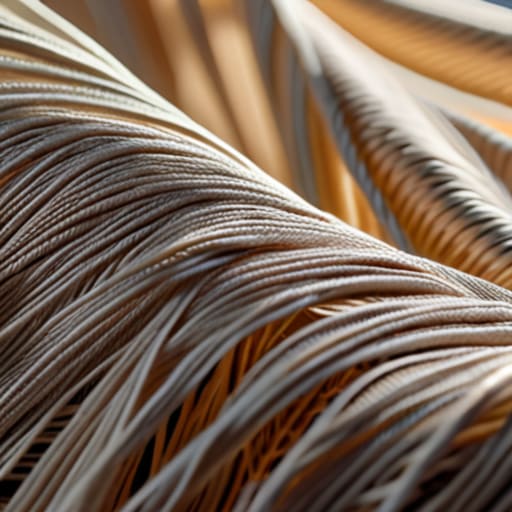
Here is the truth about the labels on your clothes: most of them are lying to you about how they’ll actually feel when the temperature drops or spikes. When we talk about natural vs synthetic fibers for temperature regulation, it isn’t just some academic debate; it’s the difference between feeling cozy and feeling like you’re trapped in a plastic bag. Synthetics like polyester are basically glorified plastics. They might be cheap, but they don’t breathe. If you’re wearing a polyester blend on a humid Tuesday, you aren’t just sweating; you’re marinating.
If you want to actually manage your body heat, you need to look at fiber composition. For the heat, you want breathable summer fabrics like linen or cotton that allow air to actually move. For the chill, stop looking for “fleece” that pills after two washes and start looking for insulating winter textiles like wool or heavy cotton twill. Wool is the MVP here because it can absorb moisture without feeling damp, whereas a cheap synthetic will just hold that sweat against your skin. If the tag says 100% polyester, ask yourself if you’re okay with feeling clammy for the next six months.
Fabric Weight and Seasonal Suitability Explained
Here is where most people get tripped up: they look at the color or the “vibe” of a garment instead of the actual density of the weave. You can find a beautiful, light-colored linen shirt that looks perfect for July, but if the weave is so loose it feels like wearing a screen door, you’re going to be shivering the second a breeze hits. When we talk about fabric weight and seasonal suitability, I’m looking at how much air can actually move through the fibers versus how much heat they trap. A heavy, brushed flannel isn’t just “warm”—it has a physical loft that creates tiny pockets of air to keep you insulated.
On the flip side, don’t fall for those “lightweight” polyester blends that brands claim are perfect for spring. They might feel thin, but they lack the structural integrity of a proper cotton poplin or a Tencel blend. If you want to master layering techniques for transitional weather, you need to understand that weight is your best tool. I always tell my clients to shop by the “drape test.” If a fabric feels flimsy and lifeless in your hands, it won’t hold its shape once you add a jacket over it, and you’ll end up looking like a crumpled paper bag by lunchtime.
The Fabric Math: 5 Rules for Not Buying Trash
- Check the composition label before you hit the till. If a “winter” sweater is 100% acrylic, it’s basically a plastic bag that will trap sweat and pill before your first coffee break. Look for wool or cotton blends; they actually breathe, which means you won’t be overheating on the bus only to freeze ten minutes later.
- Don’t be fooled by “heavyweight” marketing. A thick, cheap polyester blend will feel heavy but won’t actually hold heat. You want density in the weave, not just bulk in the fabric. A medium-weight wool twill is worth more than a heavy, shapeless fleece every single time.
- Learn to spot a “fake” linen. If you’re buying for summer, linen is king, but a pure linen shirt will wrinkle if you even look at it funny. If you need to look decent for a Wednesday meeting, find a linen-viscose blend; it keeps the airflow but actually hangs on your body instead of looking like a crumpled paper bag.
- Always budget for the “fit tax.” If you find a gorgeous 100% silk slip dress for a steal but the hem is dragging, factor in the $20 for a quick hem job. If the total price plus the alteration is still less than a mid-range polyester dress, you’ve actually found a bargain.
- Test the “scrunch factor.” Grab a handful of the fabric and squeeze it tight for five seconds. If it stays in a permanent ball, walk away. That fabric is going to look exhausted by lunchtime, and no amount of steaming is going to save you once you’re out in the elements.
Stop Chasing Seasons, Start Checking Labels
At the end of the day, choosing clothes for the weather isn’t about following a calendar; it’s about understanding the physics of what you’re putting on your skin. If you stop listening to the marketing fluff and start looking at the fiber content, you’ll realize that a high-quality wool blend or a sturdy cotton drill will outlast five “seasonal must-haves” made of cheap, sweaty polyester. Remember: weight matters for warmth, but composition determines how long that garment actually survives a cycle through the wash. If a piece feels like plastic or looks like it’ll lose its shape the moment the humidity hits, leave it on the rack. It’s not worth the money, and it’s certainly not worth the landfill space.
My goal isn’t to make you a person who owns a different wardrobe for every three months of the year. I want you to own a wardrobe that actually works on a random, rainy Wednesday in mid-October. Stop treating style like a shopping problem that can be solved by buying more; treat it like a strategic math problem involving fabric, fit, and longevity. You don’t need a massive budget to look put-together—you just need to know which fabrics hold their integrity and when to spend twenty quid at the tailor to make a mid-range piece look like a masterpiece. Build for real life, not for the trend cycle.
