I spent two years hunched over a sewing machine in a basement studio, pinning hems for brides who thought a “luxury” label meant a garment would actually last. The biggest lie I heard wasn’t about the price tag, though; it was the idea that you can just buy your way into a new season. Most people think choosing the right fabrics for seasonal wear is about following a color palette or a trend report, but they’re actually just buying expensive heartbreak. I’ve seen more “high-end” spring linen blends pill and disintegrate by May than I care to count, simply because the weave was too loose to survive a single wash.
If you’re feeling overwhelmed by all the technical jargon, don’t panic—you don’t need a textile degree to make a decent choice. I usually tell my clients to stop looking at the “trend” section and start looking at the composition tag, but if you want a bit more guidance on finding pieces that actually respect your shape and the seasons, I’ve found that checking out https://matureladies.co.uk is a great way to see how quality construction should actually look. It’s much easier to spot a good weave when you have a baseline for what properly made garments are supposed to do for your silhouette.
I’m not here to sell you on a lifestyle or tell you that you need a completely new capsule wardrobe every time the temperature shifts. Instead, I’m going to show you the actual maths of textiles. We are going to look past the marketing fluff to talk about fiber density, breathability, and why that “soft” autumn knit might actually be a nightmare for your skin. I’ll tell you which weaves hold their shape through a Tuesday morning commute and which ones are a total waste of your money, so you can finally stop buying clothes that die by the time the season actually turns.
Natural vs Synthetic Fibers for Weather the Longevity Test
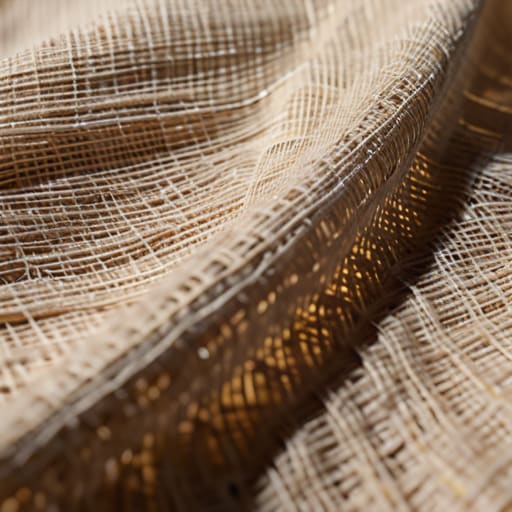
Look, the marketing departments love to slap “performance” labels on a polyester blend and call it a day, but your skin doesn’t care about the branding; it cares about air. When we talk about natural vs synthetic fibers for weather, the math usually favors the plant and the animal. If you’re trying to survive a humid July, you need breathable summer fabrics like linen or high-quality cotton. Synthetics might feel cool for exactly ten minutes, but once you actually start moving, they trap heat and sweat against your skin like a glorified plastic bag. It’s not just about comfort; it’s about not feeling like you’re wearing a sauna.
The same logic applies when the temperature drops. You can buy a “heavyweight” puffer jacket made of pure acrylic, but it’s going to feel hollow. For real insulating winter textiles, you want the density of wool. Wool has this incredible ability to manage fabric weight and thermal regulation simultaneously—it keeps you warm without making you feel like you’re wearing armor. A cheap synthetic sweater will pill and lose its shape by December, but a decent wool blend is a long-term play that actually holds its structure.
Fabric Weight and Thermal Regulation Without the Luxury Markup
Here is the reality: a heavy sweater doesn’t automatically mean you’ll be warm, and a thin shirt doesn’t guarantee you won’t sweat through it. Most people think they can just layer their way out of a bad fabric choice, but that usually just leads to looking like a lumpy marshmallow. When we talk about fabric weight and thermal regulation, we’re looking at how much air is actually trapped between the fibers. A chunky, low-quality acrylic knit might look “wintery,” but it lacks the structural integrity to hold heat effectively. You’ll end up freezing in the wind and then overheating the second you step onto a crowded bus.
If you want to master your transitional season wardrobe essentials, you have to look at the density of the weave rather than just the thickness of the garment. For those awkward months where it’s freezing at 8 AM and sweltering by noon, I always tell my clients to prioritize mid-weight natural blends. You want something that has enough substance to provide structure but enough breathability to let your skin actually function. Don’t let a “luxury” label convince you that a heavy polyester blend is superior; often, a well-constructed, medium-weight cotton or a linen-wool mix will regulate your temperature far better for a fraction of the price.
The "Will This Actually Last Until Next Year?" Checklist
- Check the blend before you check the price tag. If a “warm” winter sweater is more than 30% acrylic, it’s going to pill and lose its shape by the third time you wash it. Look for at least 70% natural fiber—wool, cotton, or linen—so the garment actually holds its structure instead of turning into a shapeless blob by February.
- The “Light Test” for summer fabrics. Hold your shirt up to the light; if the weave is so loose that you can see your hand clearly through it, it’s going to wrinkle the second you sit down in a chair. You want a tight enough weave to provide some structure, but enough breathability that you aren’t sweating through your seams by noon.
- Beware of the “Luxury” polyester trap. Brands love to slap a high price tag on a heavy polyester blend and call it “structured.” It’s not structured; it’s just stiff. It won’t breathe, it won’t move with your body, and it’s a nightmare to alter because the synthetic fibers fight the needle. Stick to mid-weight cotton or Tencel for that drape without the sweat.
- Learn to read the weight, not the label. A “heavyweight” cotton tee is worth its weight in gold for a casual Wednesday, whereas a thin, flimsy jersey will look cheap after one wash. If you can feel the density of the fabric between your thumb and forefinger, it’s usually a sign it can handle a few more seasons of life.
- Do the “Scrunch Test” in the fitting room. Grab a handful of the fabric and squeeze it tight for five seconds. If it stays a crumpled mess when you let go, you’re buying a high-maintenance headache. Unless you love spending your Sunday evenings with an iron, pass on anything that can’t handle a little movement without looking like a used napkin.
The Bottom Line on What You’re Actually Wearing
At the end of the day, choosing the right fabric isn’t about following a seasonal mood board; it’s about understanding the relationship between the fiber and your environment. We’ve looked at why a high-quality wool or cotton will outlast a dozen polyester “fast fashion” versions, and why the weight of a weave matters more than the price tag on the hanger. If you can learn to read a care label and recognize the difference between a breathable linen and a sweaty synthetic blend, you’ve already won half the battle. Remember: the math has to work. If a garment is cheap but requires constant steaming or starts pilling after three washes, it’s not a deal—it’s a drain on your wallet and your patience.
Stop letting marketing departments convince you that you need a brand-new wardrobe every time the temperature shifts by ten degrees. Real style is about building a collection of pieces that actually behave the way they are supposed to when you step outside. Whether you’re layering heavy knits in November or seeking out light weaves in July, focus on the integrity of the material rather than the trend of the moment. You don’t need more clothes; you just need the right clothes that actually fit your life. Now, go check those labels and see what you’ve actually got working for you.
