Stop letting “summer collections” gaslight you into thinking you need a brand-new wardrobe just because the temperature hit twenty degrees. I spent two years in a basement studio pinning hems for people who were convinced that a $200 linen midi was the only way to look “effortless,” when in reality, they were just paying for a brand name and a flimsy seam. Most of the advice you see online about how to choose a summer dress is just a glorified shopping list designed to make you click “add to cart.” They tell you what’s trending, but they never tell you that a polyester blend is going to turn you into a human sauna the second you step into direct sunlight.
I’m not here to sell you an aesthetic; I’m here to talk about fabric weight and construction. In this guide, I’m going to show you how to spot a dress that actually survives a wash cycle and how to identify which “fit issues” are actually just easy, cheap fixes for a tailor. We’re going to look at the math of a good purchase—from checking the seam allowance to understanding why a certain silhouette might be a waste of your money. This is about building a summer rotation that actually works on a Wednesday, not just something that looks good in a filtered photo.
Understanding How to Choose a Summer Dress
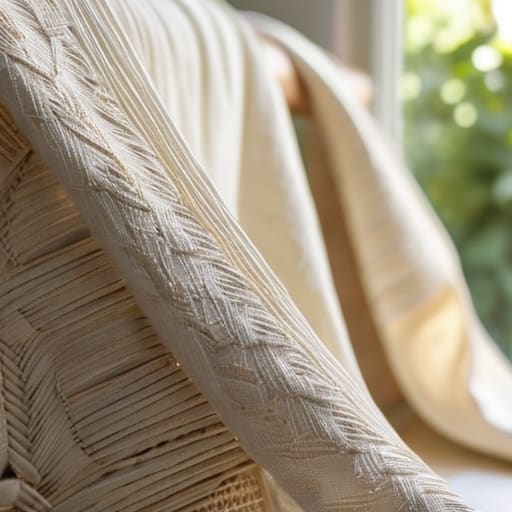
Before you even look at a pattern or a print, look at the fiber content tag. This is where most people lose the battle. If you’re buying a polyester blend because it’s on sale, you’re basically paying to wear a plastic bag in ninety-degree heat. You want breathable summer fabrics like linen or cotton. Now, the debate of cotton vs linen summer dresses usually comes down to maintenance: linen wrinkles if you even look at it funny, but it moves air better than almost anything else. Cotton is more forgiving for a long day at the office, but if it’s too thin, it’ll show every seam of your underwear.
Next, stop trying to force your body into a “trend” silhouette. A dress might look incredible on a mannequin, but if the armholes are cut too low or the waist sits at a point that makes you feel suffocated, you won’t wear it. Instead of chasing a specific look, focus on the best dress silhouettes for heat, like an A-line or a bias-cut slip that actually has some room to move. If the fabric is right and the shape respects your proportions, you aren’t just buying a garment; you’re buying a way to survive July.
Key Things to Know

First, we need to talk about what the garment is actually made of, because a “cute” print won’t save you when you’re sweating through a polyester blend by noon. If you want to actually feel cool, you have to look at the fiber content label before you even touch the price tag. I’m talking about breathable summer fabrics like linen, cotton, or Tencel. You’ll often see the debate of cotton vs linen summer dresses; linen is the gold standard for heat because it wicks moisture and stays away from the skin, but it wrinkles if you even look at it funny. Cotton is more forgiving for a long workday, but if it’s a cheap, thin weave, it’ll lose its shape after three washes.
Second, stop trying to force your body into a specific “trend” silhouette. Instead, look for how the fabric interacts with your movement. If you’re looking for the best dress silhouettes for heat, think about volume—A-line cuts or bias-cut slips allow for airflow, which is your best friend when the humidity hits. If a dress fits perfectly in the bust but makes you feel like you’re wearing a tent, don’t walk away; just budget about £15–£20 to have the waist nipped in. That’s how you turn a “maybe” into a wardrobe staple.
Practical Tips and Steps
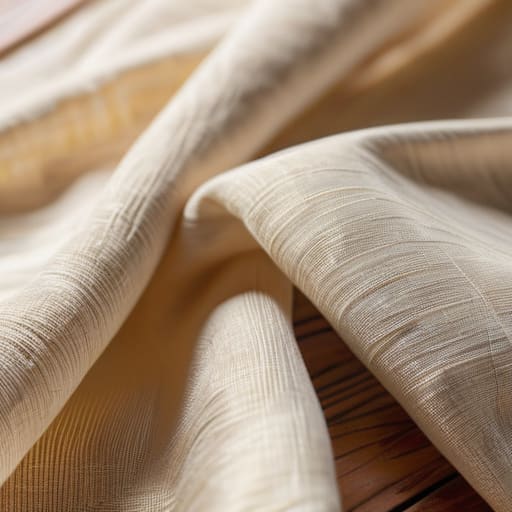
First, stop looking at the model in the campaign photo and start looking at the care label. If you’re stuck in a heatwave, you need to prioritize breathable summer fabrics like linen or cotton. I get asked all the time about cotton vs linen summer dresses; here is the truth: linen is the gold standard for airflow, but it will wrinkle if you even look at it funny. If you hate the “crumpled paper” look, go for a cotton poplin. It holds its shape better and still lets your skin breathe. Just avoid anything with more than 5% polyester—that’s basically wearing a plastic bag, and no amount of “effortless styling” will make you feel cool in it.
Second, check the seams before you head to the till. When you’re choosing dresses for body type considerations, look at how the fabric hangs from the bust or the hips. If the tension is pulling at the seams, it’s not a fit issue; it’s a fabric issue. If you find a dress that is perfect everywhere except the hem, grab it. A simple hem adjustment is usually a £15 fix, which is much cheaper than buying a new dress that actually fits.
Common Mistakes to Avoid
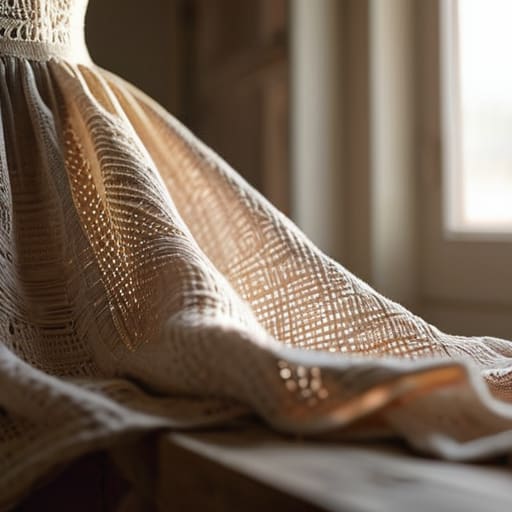
The biggest mistake I see is people buying for a “vibe” rather than a reality. You see a slip dress on a mannequin and think, this is the one, but then you realize the fabric is a non-breathable polyester blend that’s basically a plastic bag. If you aren’t looking at the care label, you’re doing it wrong. When debating cotton vs linen summer dresses, remember that linen wrinkles the second you sit down in a cafe—which is fine—but if you hate looking lived-in, don’t force it. Also, stop ignoring the seam allowance. If a dress is skimpy on the seams, you can’t let it out later if your body changes, and that makes it a single-use garment, not a wardrobe staple.
Another trap is overcomplicating the silhouette. People often try to force themselves into “trendy” shapes that fight their natural proportions instead of looking for best dress silhouettes for heat that actually allow air to move. If you buy a dress that’s too tight in the bust or armholes just because it’s “in,” you’ll be sweating through it by noon. Fit is everything, and if you have to fight the fabric to breathe, it’s a bad purchase.
Final Thoughts
Look, at the end of the day, don’t let the marketing fool you into thinking you need a whole new wardrobe just because the temperature hit twenty degrees. You don’t. If you focus on finding a few pieces made of breathable summer fabrics like linen or cotton, you’re already winning. I’d much rather see you buy one well-made linen midi that you can actually take to a tailor to nip the waist in, than five polyester sundresses that will make you sweat the moment you step outside.
Stop obsessing over whether a dress is “on trend” and start asking if it actually works for your life on a random Tuesday. When you’re weighing up cotton vs linen summer dresses, remember that linen wrinkles—it’s just what it does—but it breathes better than almost anything else. If you can accept the creases, you’ll be much more comfortable. Buy for the fabric, check the seams, and if the fit isn’t perfect right off the rack, don’t panic. Just find a local stitcher, spend the twenty quid to make it yours, and stop treating style like a shopping problem.
My non-negotiables for the fitting room
- Check the fabric weight before you commit. If it’s that thin, scratchy polyester that feels like a plastic bag, walk away; it won’t breathe in the heat, and it’ll look like a crumpled mess by lunch. Look for linen, cotton, or viscose—fabrics that actually let air reach your skin.
- Do the “sit test” immediately. Don’t just stand there looking in the mirror. Sit down, cross your legs, and reach for something on a high shelf. If the hemline rides up to your hips or the waist feels like it’s trying to cut you in half, it’s not a summer dress, it’s a torture device.
- Look at the seam allowance. If you find a dress you love but it’s slightly too tight in the bust or hips, check if there’s enough extra fabric inside the seams to let it out. A good seam allowance is the difference between a dress that’s a “maybe” and a dress that becomes your favorite.
- Ignore the “size” on the tag and trust the shoulder seam. If the shoulder seam is drooping down your arm, the whole silhouette is going to look sloppy and heavy. A dress that fits properly at the shoulders will always look more expensive than one that’s technically your “correct” size but sits all wrong.
- Factor in the “alteration math.” If you find a stunning vintage piece or a high-quality linen dress that’s a bit too long, ask yourself: “Is this worth a £15 hem job?” If the answer is yes, buy it. A cheap dress that fits perfectly looks better than a luxury dress that hangs off you like a sack.
The Truth About the "Perfect" Dress
Stop looking for a dress that looks like the mannequin; look for a dress with a seam allowance that actually gives you room to breathe and a fabric weight that won’t turn transparent the second you step into the sun. A pretty print is easy to find, but a dress that survives a wash and actually fits your real, moving body is where the real value is.
Neve Okonkwo-Barr
The Bottom Line
Look, choosing a summer dress shouldn’t feel like a math exam, but if you want it to actually work, you have to look past the print. Stop obsessing over whether a dress is “on trend” and start looking at the seam allowance and the fiber content. If it’s 100% polyester, you’re going to spend your entire July feeling like you’re wrapped in a plastic bin bag. Prioritize natural fibers like linen or cotton that can actually breathe, and always, always check how the fabric hangs against your body before you head to the till. If the fit is almost there but the hem is dragging or the waist is a bit wonky, don’t panic—just factor in an extra £15 for a local tailor to make it perfect. A cheap dress that fits well is infinitely better than an expensive one that makes you want to hide in a corner.
At the end of the day, your clothes are just tools to help you move through your life, not a performance for anyone else. A good summer dress isn’t about achieving some untouchable “aesthetic” you saw on a screen; it’s about finding that one piece that makes you feel capable of handling a heatwave, a long lunch, or a sudden rainstorm. Don’t let marketing convince you that you need a new wardrobe every time the temperature rises. Build a collection of pieces that actually serve you, and remember that true style is found in the way a garment respects your body and your budget. Now, go find something that feels like home.
Frequently Asked Questions
I found a gorgeous linen dress on sale, but the straps are too long—is it worth paying a tailor to fix them, or should I just walk away?
If it’s real linen and not that scratchy, polyester-blend nonsense, do the math. Shortening straps is one of the easiest, cheapest fixes in the shop—usually about £10 to £15 depending on if they’re spaghetti or wide. If the dress was a steal, that’s a minor cost to make it actually sit right on your frame. Don’t walk away from a great fabric just because of a seam; just budget for the adjustment.
How can I tell if a lightweight fabric is actually going to survive a few washes, or if it’s going to turn into a transparent rag by July?
The “hand test” is your best friend here. Grab the fabric and squeeze it tight in your fist for five seconds. If it stays a crumpled mess, it’s low-quality; if it bounces back, you’re onto something. Also, hold it up to the light. If you can see the distinct outline of your hand through it, it’s too thin to survive a machine wash without thinning out. Look for tight weaves—if the threads look loose or “fuzzy,” run.
If a dress fits perfectly in the bust but is way too loose at the waist, is that an easy fix or am I looking at an expensive alteration?
That is actually the best-case scenario. If the bust fits, you’ve already won the hardest battle. Fixing a loose waist is usually just a matter of taking in the side seams or adding small darts in the back. Depending on the fabric, you’re looking at maybe £15–£25. It’s much cheaper than trying to let out a bust that’s too tight. Buy the dress; the tailor can handle the rest.
