Stop letting “influencers” convince you that a complete guide to workwear dressing requires a five-figure budget and a wardrobe full of stiff, overpriced blazers that make you look like you’re wearing a cardboard box. Most of those “office capsule” lists are just thinly veiled shopping trips designed to make you feel inadequate about your current closet. I spent two years in a basement studio pinning hems for bridal gowns, and if there is one thing I learned, it’s that a $40 thrifted trouser with a perfectly tailored waist will always look more expensive than a $400 designer pant that bags at the knees. Style isn’t about how much you spend; it’s about knowing how a fabric moves and where a seam should actually sit.
In this guide, I’m skipping the trend-speak and getting straight to the math of a working wardrobe. I’m going to show you how to spot high-quality wool blends from across a room, which cheap knits are actually worth the risk, and exactly which alterations are worth your money. This isn’t about buying a new life; it’s about making what you own work for a Tuesday morning meeting.
Understanding Complete Guide to Workwear Dressing
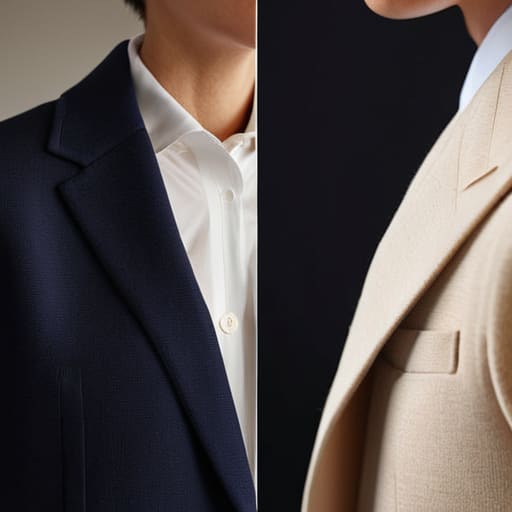
Before we even touch a hanger, we need to clear up the mess that is modern dress codes. Most people treat “workwear” like a costume they put on, but it’s actually just a series of technical requirements based on your specific environment. If you’re trying to navigate business casual vs business formal, don’t let the vague terminology paralyze you. The difference usually isn’t about how much money you spent; it’s about the structure of the garment. A formal look relies on crisp seams and heavier fabric weights that hold their shape, while casual looks allow for softer knits and more relaxed silhouettes.
Instead of trying to master every possible scenario, I want you to focus on building a capsule wardrobe for work that actually functions on a Tuesday morning when you’re running late. This isn’t about having fifty different outfits; it’s about having ten pieces that all play well together because they share a similar visual language. If your trousers are a heavy wool crepe and your blazer is a flimsy polyester blend, they will never look like they belong to the same person. Stop chasing the aesthetic and start looking at the construction.
Key Things to Know
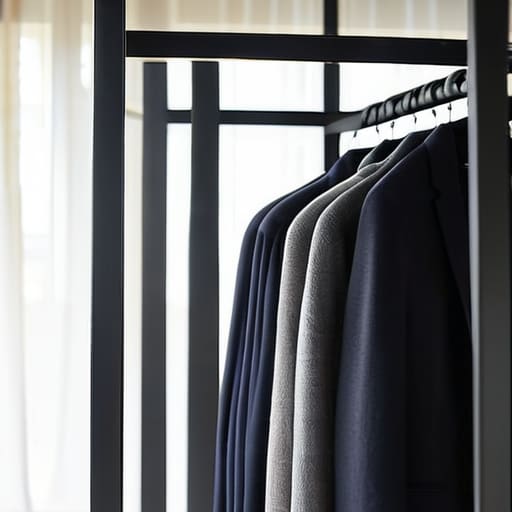
First, let’s kill the myth that you need a massive, expensive wardrobe to look competent. Most people think they need a different outfit for every single meeting, but what you actually need is a capsule wardrobe for work built on high-quality basics. I’m talking about pieces that don’t pill after three washes. If you’re looking at a polyester blend blazer that feels like a plastic bag, walk away. It won’t breathe, it won’t drape, and no amount of steaming will save it. Look for wool blends or heavy cottons that hold their shape; these are the versatile office essentials that actually make your life easier on a Tuesday morning when you’re running late.
Second, stop stressing over the “rules” of business casual vs business formal. The industry loves to make these categories feel like a minefield, but it’s really just about understanding the environment. If you’re dressing for corporate environments, focus on the structure of the garment. A cheap, ill-fitting suit looks more “unprofessional” than a well-tailored pair of trousers and a crisp shirt. Remember: fit is the ultimate equalizer. A £20 thrifted jacket that has been taken in at the waist by a decent tailor will always look more expensive than a designer piece that hangs off your shoulders like a tent.
Practical Tips and Steps
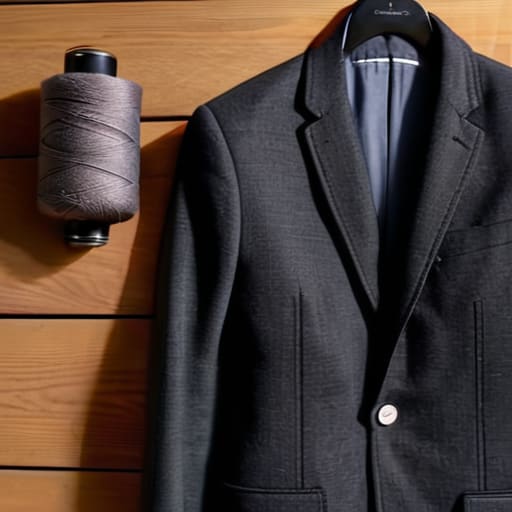
First, stop trying to build a wardrobe from scratch every Monday morning. You don’t need a mountain of clothes; you need a capsule wardrobe for work built on high-quality basics that actually play well together. Before you buy anything, check the fiber content. If it’s 100% polyester, it’s going to trap heat and start smelling like a gym locker by 2 PM. Look for wool blends or heavy cottons that hold their shape. A cheap blazer in a sturdy crepe will look ten times more expensive than a flimsy silk one if you take it to a tailor to nip in the waist. Budget about £20-£30 for that adjustment—it is the difference between looking like you’re wearing your dad’s suit and looking like a professional.
Next, learn the math of business casual vs business formal so you aren’t overdressing or underperforming. If your office is leaning toward smart casual, don’t panic; just swap the stiff trousers for a dark, structured denim or a heavy knit. The goal is versatile office essentials—pieces that survive a rainy commute and a long meeting. Always prioritize the shoulder seam; if the shoulders don’t fit, the garment is a lost cause.
Common Mistakes to Avoid
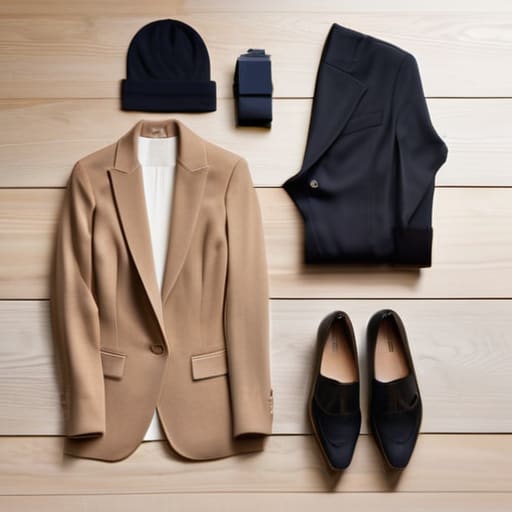
The biggest mistake I see—and I see it every time I’m pinning a hem for a client—is the “identity crisis” purchase. This happens when you buy something because it looks great on a mannequin, but it has zero utility for your actual life. People spend hundreds on stiff, high-fashion pieces that they can only wear once because they don’t play well with anything else. If you aren’t building a capsule wardrobe for work where every top works with at least three bottoms, you aren’t building a wardrobe; you’re just collecting expensive clutter.
Another massive pitfall is getting paralyzed by the business casual vs business formal debate. Most people overcompensate by buying cheap, polyester “professional attire for office” use that looks shiny and feels like wearing a plastic bag under fluorescent lights. Don’t do that. It is much better to own three high-quality, natural fiber pieces that fit your shoulders perfectly than a dozen synthetic blazers that pill after two washes. Stop chasing the “look” and start looking at the seam allowance and fabric weight. If it doesn’t breathe and it doesn’t fit, it’s a waste of money.
Final Thoughts
Look, at the end of the day, building a work wardrobe isn’t about a massive shopping spree or finally understanding the arbitrary line between business casual vs business formal. It’s about the math of your Monday through Friday. If you stop chasing every “must-have” trend and start focusing on how a sleeve actually sits on your shoulder, you’ll realize you already own more than you think. You don’t need a mountain of clothes; you need a handful of versatile office essentials that actually fit your body and your budget.
If you take one thing away from this, let it be this: stop blaming your body for why an outfit looks “off.” Usually, it’s just a bad seam or a cheap fabric that can’t hold its shape. Invest your energy into a small, high-quality capsule wardrobe for work where the fit is non-negotiable. Buy the slightly better fabric, take it to a tailor, and spend that extra twenty quid to get the hem right. That is how you actually look polished, without needing a trust fund to do it.
The Realist’s Cheat Sheet for a Monday-to-Friday Wardrobe
- Stop buying “office-ready” polyester blends just because they’re on sale; they pill after three washes and trap heat like a greenhouse. Look for wool blends or heavy cottons that actually hold their shape when you’re sitting at a desk for eight hours.
- The “expensive” blazer trap is real. I’ve seen £400 designer jackets with flimsy shoulder pads and zero seam allowance that look terrible on a real human body. Buy the mid-range piece with a solid structure, and budget an extra £25 to have a tailor nip in the waist.
- If the trousers don’t fit your hips perfectly, walk away. You can shorten a hem for about £15, but trying to let out a waistband that wasn’t built with extra fabric is a structural nightmare that usually ends up looking botched.
- Check your seams before you head to the till. Pull the fabric gently at the seam; if you see light peeking through the stitches, that garment isn’t going to survive a commute on the bus or a long day of meetings. It’s a waste of your money.
- Build around your “movement needs” rather than a Pinterest board. If your job involves a lot of walking or reaching, a stiff, non-stretch synthetic suit will make you look like you’re wearing a costume. Prioritize fabric weight and ease of movement so you actually look comfortable, not constricted.
The Workwear Myth
Stop looking for a ‘complete guide’ in a department store window; a professional wardrobe isn’t a collection of expensive trends, it’s a collection of well-fitted basics that don’t pill after three washes and actually sit right on your shoulders. If you can’t fix the fit with a local tailor for twenty quid, you aren’t buying a career staple, you’re just buying a very expensive mistake.
Neve Okonkwo-Barr
The Real Math of Your Workday
Look, we’ve covered a lot of ground, but if you forget everything else, remember this: your work wardrobe isn’t a collection of trends; it’s a toolkit. Stop obsessing over whether a blazer is “in” this season and start looking at the seam allowance and the fiber content. A high-quality wool blend that actually fits your shoulders will outlast five polyester “must-haves” that pill after three washes. If you’ve bought something that almost works, don’t throw it in the donation bin just because it’s a bit loose in the waist—take it to a tailor. A twenty-pound alteration can turn a mediocre find into your most reliable daily driver, and that is how you actually win at dressing for work without draining your savings.
At the end of the day, the goal isn’t to look like a mannequin in a window display; it’s to walk into a meeting feeling like you aren’t wearing a costume. When your clothes fit your actual body—not the version of you that exists in a marketing campaign—you stop fidgeting with your hemline and start focusing on your job. Style isn’t about how much you spend; it’s about the intelligence of your choices. Build a wardrobe that works for you on a rainy Wednesday, not just for a photoshoot, and you’ll find that true confidence is remarkably affordable once you stop playing by the industry’s rules.
Frequently Asked Questions
I found a gorgeous blazer at a thrift store but the sleeves are too long and the shoulders are slightly wide—is that actually worth the £25 it'll cost to get it tailored, or am I just throwing money away?
Let’s do the maths. If that blazer is high-quality wool or a heavy crepe, it’s a win. Shortening sleeves is a straightforward £15–£20 job; adjusting shoulders is trickier and pricier, so check if the seam allowance actually exists before committing. If it’s a cheap polyester blend, walk away—the fabric won’t hold the new shape. But a well-fitted, vintage structured blazer for £50 total? That’s a wardrobe staple that’ll outlast any high-street sale.
How do I tell if a "work-appropriate" fabric is actually going to survive a Tuesday morning commute and a frantic Wednesday afternoon, or if it's going to pill and look sad by Friday?
Stop looking at the brand name and start looking at the composition tag. If it’s 100% polyester or a cheap acrylic blend, it’s going to pill the second you sit down at your desk. You want high-twist wool or a heavy cotton twill; they breathe and bounce back. If the fabric feels thin and “crunchy,” it’s a one-wear wonder. Do the squeeze test: if it stays wrinkled after a firm grip, it’s a Friday disaster.
If I only have the budget to fix one thing in my current wardrobe to make it look professional, should I prioritize the fit of my trousers or the structure of my jackets?
Go for the trousers. A jacket with poor structure is a lost cause—you can’t “fix” a cheap, flimsy shoulder without spending more than the garment is worth. But a pair of trousers that hit the floor or sag at the waist? That’s a twenty-minute job for a tailor. Get the hem right and the waist nipped in. It costs about the same as two fancy coffees, and suddenly, you actually look like you mean business.
