Stop listening to the “power dressing” influencers telling you that you need a three-piece designer suit to land a job. Most of those “complete guide to interview dressing” articles are just thinly veiled advertisements for expensive brands that don’t actually care about how you look in a fluorescent-lit office. I spent two years in a basement studio pinning hems for brides who were terrified of looking “cheap,” and if there is one thing I learned, it’s that confidence doesn’t come from a price tag. It comes from not having to tug at a sleeve that’s too long or worry about a waistband that’s pinching you while you try to explain your CV.
I’m not here to sell you a new wardrobe; I’m here to help you use the one you have. In this guide, I’m going to show you how to spot a high-quality fabric in a thrift store, which specific seams are worth paying a tailor to fix, and why a well-fitted blazer from a charity shop beats a sagging luxury one every single time. We’re going to focus on the actual maths of looking professional—fabric weight, shoulder alignment, and smart alterations—so you can walk into that room feeling like yourself, not a mannequin.
The Math Behind Your Complete Guide to Interview Dressing
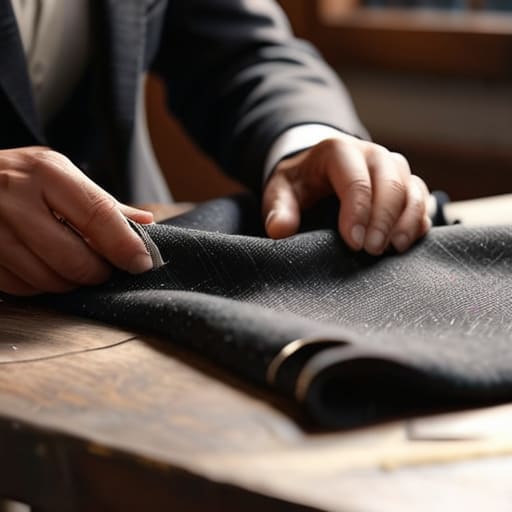
Let’s do some quick math, because the marketing departments want you to think an interview requires a brand-new, three-hundred-pound suit. They don’t. If you take a vintage blazer from a charity shop—something with a solid wool blend and a decent seam allowance—and spend £25 at a local tailor to nip the waist and shorten the sleeves, you have just outperformed anyone wearing a flimsy, off-the-rack “fast fashion” suit. That is how you actually master professional attire for job interviews: you stop looking at the price tag and start looking at the construction.
When you’re navigating the murky waters of business casual vs business formal, the real cost isn’t the garment; it’s the confidence gap created by a bad fit. A cheap shirt that fits your shoulders perfectly looks ten times more expensive than a designer shirt that bags at the neck. Before you panic-buy a new wardrobe, check your current hangers. If the fabric is thin enough to see your skin through or the polyester is so shiny it looks like a bin bag, it’s time to pivot. Real style is about knowing when a garment is worth the stitch.
Stop Overspending Why Professional Attire for Job Interviews Is a Fit Probl

The marketing departments for mid-range high street brands want you to believe that “dressing for success” requires a massive credit card bill. They’ll point at a mannequin in a stiff, polyester-blend blazer and tell you that’s the standard for professional attire for job interviews. But here is the reality from someone who has spent years looking at the inside of garments: a £200 jacket that pulls across the back or sags at the shoulders looks cheaper than a £40 thrifted blazer that actually fits your frame. Style isn’t about the price tag; it’s about how the fabric interacts with your movement.
When you’re navigating the nuances of business casual vs business formal, don’t get paralyzed by the labels. Instead, look at the construction. A garment that fits your shoulders and hits at the right length will always beat an expensive “investment piece” that requires you to hold your breath just to sit down. If you find something beautiful but the waist is slightly off, don’t walk away—just budget an extra £15 for a seamstress. Fit is the ultimate cheat code for looking like you belong in the room.
Decoding the Code Business Casual vs Business Formal Without the Guesswork
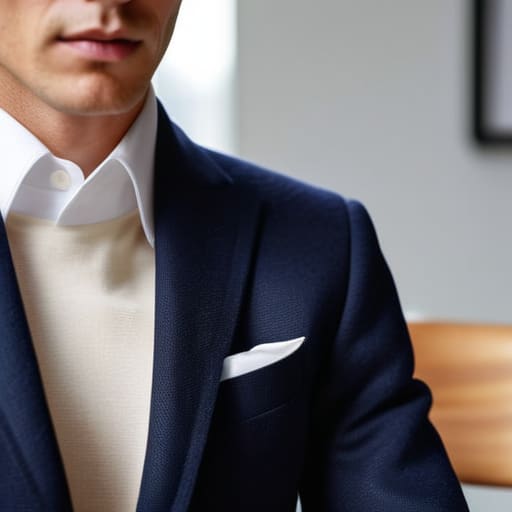
The industry loves to use these terms like they’re universal laws, but “business casual” is a trap because it changes depending on whether you’re interviewing at a creative agency or a law firm. If you’re trying to navigate business casual vs business formal, stop looking at the labels and start looking at the fabric weight and structure. Formal means structured—think wool blends, crisp poplin, and sharp lines that hold their shape. Casual doesn’t mean “jeans and a nice top”; it means soft textures like knits or heavy cottons that still look intentional. If the garment looks like it could be worn to a Sunday brunch without looking out of place, it’s probably too casual for an interview.
When it comes to dressing for corporate culture, the safest bet is to aim one notch above what the employees actually wear. If they are in t-shirts, you wear a polo or a structured blouse; if they are in button-downs, you wear a blazer. This isn’t about being a fashion victim; it’s about reading the room through the lens of textiles. A blazer with a decent seam allowance can bridge the gap between “too relaxed” and “too stiff” effortlessly.
Dressing for Corporate Culture Without Losing Your Soul or Your Savings

Here is the reality: most corporate culture handbooks are written by people who haven’t stepped foot in a real office since 1998. They tell you to “dress for the role,” which is marketing speak for “buy a uniform.” But dressing for corporate culture isn’t about buying into a costume; it’s about reading the room. If you walk into a tech startup wearing a stiff, charcoal power suit, you won’t look professional—you’ll look like you’re interviewing for a role that doesn’t exist. Conversely, if you show up to a law firm in “creative” oversized linen, you aren’t being authentic; you’re being unprepared.
The trick is to find the middle ground where comfort meets competence. Instead of panic-buying a whole new wardrobe, look at what you already own. A well-fitted blazer can bridge the gap between business casual and formal instantly, provided the shoulder seams actually sit where they should. Whether you are prepping for in-person meetings or figuring out what to wear for video interviews, focus on the frame. If the neckline is clean and the fabric doesn’t pill under harsh lighting, you’ve already won half the battle.
From Video Interviews to First Impression Clothing Tips the Real Value
Now, let’s talk about the digital shift, because if you think you can get away with a nice shirt and pajama bottoms just because you’re sitting in your spare room, you’re mistaken. When it comes to what to wear for video interviews, the camera is a liar—it flattens textures and eats colors. A tiny, busy pattern that looks fine in person might turn into a vibrating, dizzying mess on a webcam. I always tell my clients to stick to solid, mid-weight fabrics. You want a collar that actually holds its shape; nothing screams “unprepared” like a limp neckline sagging toward your chin because you haven’t ironed it.
Even through a screen, interview outfit etiquette still boils down to looking intentional. You don’t need a three-piece suit, but you do need structure. A well-fitted blazer—even one you picked up from a charity shop and spent twenty quid having the waist nipped in—creates a silhouette that commands respect. These first impression clothing tips aren’t about vanity; they are about removing the visual distraction of a poor fit so the interviewer can actually hear what you’re saying.
The Neve Okonkwo-Barr Cheat Sheet: 5 Rules for Not Looking Like a Rental
- Check the shoulder seams before you leave the house. If the seam of your blazer is drooping down your arm, you look like you’re playing dress-up in your dad’s closet; if it’s pulling toward your neck, you look like you’re being strangled. A tailor can fix a waistline, but they can’t fix a shoulder that’s fundamentally the wrong size for your frame.
- Ignore the “luxury” tag and look at the fiber content. A 100% polyester “professional” blouse will trap heat, make you sweat through the interview, and look shiny and cheap under harsh office lights. Aim for natural blends—wool, cotton, or linen—that actually breathe and hold their shape when you’re sitting in a waiting room for twenty minutes.
- The “Hem Check” is non-negotiable. If your trousers are pooling around your ankles like a heavy curtain, you look disorganized. Take them to a local dry cleaner with a sewing machine and get them hemmed to hit just at the top of your shoe. It’ll cost you about the same as a fancy latte, but it makes a £20 pair of trousers look like they cost £200.
- Don’t let “statement jewelry” become a distraction. I see people try to use a massive necklace to compensate for a boring outfit, but in an interview, you want them looking at your eyes, not your collarbone. Keep the accessories structural and simple; if the piece is loud enough to make a clinking sound when you move, leave it at home.
- Test your outfit in a real chair, not just a standing mirror. Sit down in your interview outfit at home. Do the buttons on your shirt pull apart to reveal your skin? Does the skirt hike up so high you feel exposed? If the garment doesn’t survive a thirty-minute seated conversation, it isn’t an interview outfit—it’s a costume.
The Truth About the 'Power Suit'
Stop looking for a ‘magic’ outfit in a department store window; a hundred-pound blazer that actually hits your shoulder seams will do more for your confidence than a thousand-pound designer suit that fits like a cardboard box.
Neve Okonkwo-Barr
The Final Stitch
At the end of the day, dressing for an interview isn’t about performing some expensive, high-fashion version of yourself that you can’t actually afford to maintain. We’ve covered the ground: understand the culture of the office, know the difference between a blazer and a suit, and—most importantly—stop letting a bad hemline or a gaping button distract from your actual skills. Remember that a £20 blazer from a charity shop that has been expertly taken in at the waist will always look more professional than a £400 designer piece that hangs off your shoulders like a sack. It is about the math of the garment, the integrity of the fabric, and making sure you aren’t fighting your clothes while you’re trying to fight for a job.
Don’t let the intimidation of “professionalism” trick you into thinking you need to empty your savings account before you even walk through the door. Your clothes are just the frame; you are the masterpiece. When you walk into that room feeling secure because your trousers actually hit your ankles where they should, you carry yourself differently. You aren’t thinking about your collar; you’re thinking about your answers. Confidence is a byproduct of a good fit, and once you stop treating style as a shopping problem and start treating it as a tailoring solution, you’ve already won. Now, go get that job.
Frequently Asked Questions
I found a vintage blazer that fits my shoulders perfectly but the sleeves are way too long; is it worth paying a tailor to fix them, or will it mess up the proportions?
If the shoulders fit, you’ve already won the hardest battle. Most people buy blazers that look great on a hanger but sag at the seam, and that’s a death sentence for a professional silhouette. Shortening sleeves is a standard, low-risk alteration. Just make sure the tailor doesn’t cut too close to the button placement—if the sleeve gets too short, it looks like you outgrew it. Expect to pay £15–£25; it’s worth every penny to avoid looking like you’re wearing your dad’s suit.
If I'm working with a tight budget, should I prioritize buying one high-quality wool trouser or two cheaper polyester blends that I can rotate?
Get the wool. I know, the math feels scary when your bank account is staring back at you, but polyester blends are a trap. They pill, they trap heat, and they lose their shape by lunch. A good wool trouser can be tailored to hit your exact proportions for about £20, and it’ll actually last. Two cheap pairs will look tired in three months. Buy the wool; it’s the only way to look expensive on a budget.
How can I tell if a "business casual" dress is actually professional or if the fabric is so thin it's going to look cheap under office lights?
Don’t trust the “professional” label on the tag; trust the light test. Hold the fabric up to a window or a bright lamp. If you can see the silhouette of your hand through it, it’s going to look like cheap loungewear under harsh office fluorescents. Look for weight and structure—a decent blend or a heavier viscose will hang better. If it feels like a flimsy t-shirt, it’s a no. Save your money.
