I spent three years pinning hems for a bridal shop, and if there is one thing I learned, it’s that people are terrified of labels. You get an invite that says “Business Casual” and suddenly you’re convinced you need to drop three hundred pounds on a new blazer just to avoid looking like a disaster. Most of the internet’s advice is just a way to sell you more stuff you don’t need, masquerading as this massive, intimidating complete guide to dress codes. But here is the truth: a dress code isn’t a shopping list, it’s just a set of boundaries, and most of the time, you can navigate them with the clothes already hanging in your closet.
I’m not here to give you a glossary of fashion terms that nobody actually uses in real life. Instead, I’m going to give you the actual math of dressing for any occasion. We’re going to talk about which fabrics actually hold their shape under pressure, why a twenty-dollar hem adjustment is more powerful than a designer logo, and how to stop overthinking the rules. This is a practical breakdown of what to wear, how to fix what you have, and how to look like you belong without breaking the bank.
Understanding Complete Guide to Dress Codes
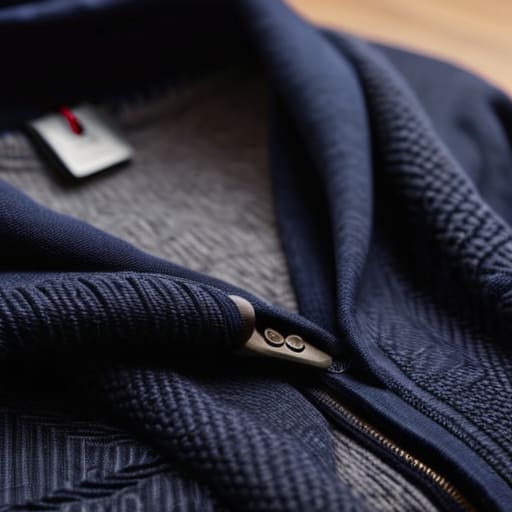
Look, most people treat dress codes like a secret language they weren’t invited to learn, so they panic and buy something brand new. Please, don’t. When you see a label like “business casual vs smart casual,” your brain probably goes straight to a shopping cart. Instead, think of it as a volume knob for your existing clothes. Business casual is just about controlling the chaos—swap the hoodie for a knit with a bit of structure, or trade the distressed denim for something in a heavier cotton twill that won’t lose its shape by lunchtime.
When the invite gets heavier, like a semi-formal clothing guide or something approaching black tie, that’s when people really overspend. If you’re wondering what to wear to a black tie event, don’t assume you need a designer gown or a tuxedo that costs a month’s rent. Formal attire etiquette is actually quite simple: it’s about fabric weight and cleanliness. A well-pressed, vintage silk slip dress or a sharp, tailored wool suit from a second-hand shop will always look more expensive than a cheap, polyester “formal” piece that’s screaming for a seamstress.
Key Things to Know

First off, stop panicking about the terminology. Most people use these terms interchangeably, which is exactly why you end up feeling underdressed or, worse, like you’re wearing a costume. The biggest headache is usually the messy middle ground of business casual vs smart casual. If you’re heading to an office, “business casual” usually means you can ditch the tie but keep the structure—think a crisp shirt or a knit that actually holds its shape. “Smart casual” is just a slightly more relaxed way of saying “don’t wear your gym clothes,” but you should still aim for fabrics that don’t look like they were pulled from a laundry basket.
When things ramp up, you need to look at the construction, not just the label. If you are looking for what to wear to a black tie event, don’t just buy the first tuxedo or floor-length gown you see. A cheap gown with a flimsy zipper will fail you by midnight. Instead, look for weight. A heavy crepe or a structured wool will skim your body far better than a thin, polyester “evening wear” piece that clings to every seam. Remember: a $40 tailor job on a mid-range dress beats a $400 dress that fits like a sack.
Practical Tips and Steps
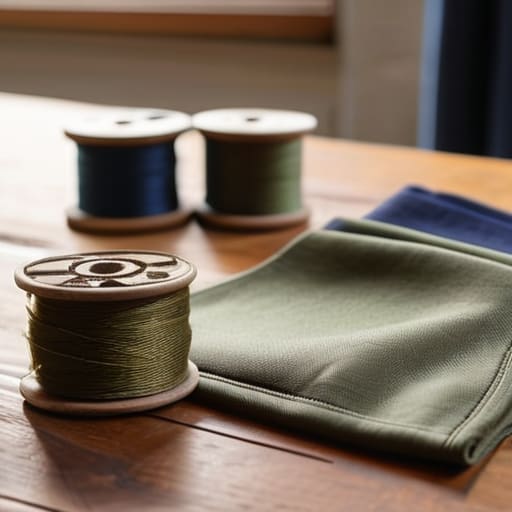
First, stop panicking and look at your closet through the lens of fabric, not just fashion. When you’re trying to navigate the messy grey area of business casual vs smart casual, don’t go out and buy a “work capsule” from a fast-fashion site. Most of that polyester will pill after three washes and look like trash by mid-quarter. Instead, find a solid cotton chino or a wool-blend trouser you already own. If the waist is gaping or the hem is dragging, don’t scrap them—take them to a tailor. A twenty-pound adjustment to the waistline makes a high-street find look like it was bespoke, and that’s how you actually win at dressing.
Second, if you’ve been invited to something high-stakes, like a wedding or a gala, don’t let the term “formal” scare you into overspending. When people ask what to wear to a black tie event, they are usually looking for a specific silhouette, not a brand name. Check your shoulder seams first; if they’re drooping, no amount of expensive silk will save the look. Focus on the integrity of the construction rather than the label. If the garment hangs right, you’ve already done 90% of the work.
Common Mistakes to Avoid
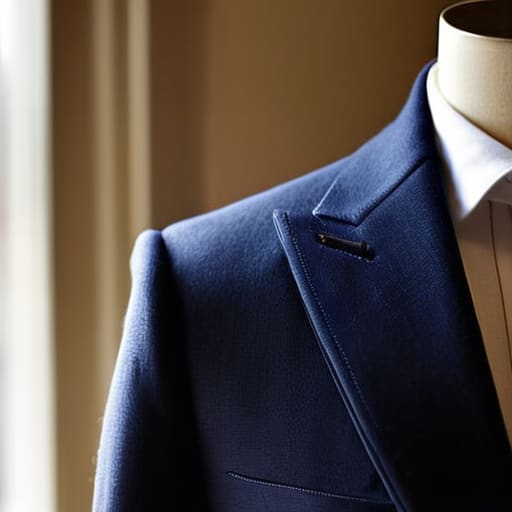
The biggest mistake I see is people treating dress codes like a math equation where “more expensive equals more correct.” It’s not. You can show up to a black tie event in a $2,000 tuxedo, but if the trousers are pooling around your ankles like you’re wearing a rental from a 1990s costume shop, you’ve already lost. People panic and buy “investment” pieces that actually have zero structural integrity. Instead of panic-buying, remember that fit is the ultimate equalizer. A $40 vintage blazer with $30 of tailoring to hit your natural waist will always look more expensive than a designer piece that sits awkwardly on your shoulders.
Another trap is the “gray area” meltdown—specifically the confusion between business casual vs smart casual. I see people showing up to smart casual events in stiff, corporate office wear that looks like they’re heading to a deposition, or conversely, showing up to business casual in something so relaxed it looks like they just rolled out of bed. Don’t overthink the labels; look at the fabric weight and texture. If the room is full of structured wools, don’t show up in jersey or thin cotton, no matter how much the label says you’re “casual” enough.
Final Thoughts
Look, at the end of the day, don’t let a label on an invitation make you feel like you need to go into debt to belong. Whether you are staring down the barrel of a black tie event or trying to untangle the messy overlap of business casual vs smart casual, the secret isn’t in the price tag—it’s in the preparation. If you know your way around your own closet and you know which seams can be adjusted, you’re already ahead of 90% of the people in the room.
Stop treating every dress code like a high-stakes exam you haven’t studied for. Most of these rules are just polite suggestions designed to keep things from looking chaotic. If you have a piece of clothing that fits your body perfectly and the fabric doesn’t look like it’s going to pill after one wear, you are winning. Style is about confidence and construction, not about how many “investment” pieces you can cram into a single evening. Buy less, fix what you have, and focus on the fit.
5 Ways to Hack the Dress Code Without Buying a New Wardrobe
- Stop panic-buying for “Business Casual.” Most people think that means a brand new blazer from a high street chain, but it usually just means taking your existing trousers and making sure the hem isn’t dragging on the floor. A £15 hem adjustment makes a cheap pair of chinos look like you actually own your life.
- Learn to read the fabric, not the label. If a dress code says “Formal,” don’t just grab the most expensive thing in your closet; look for weight. A flimsy, polyester-blend suit looks cheap under office lights no matter how much it cost. Go for a heavier wool blend or a structured cotton—fabrics with some “bones” always look more professional.
- The “Shoulder Rule” is your best friend. When you’re trying to figure out if you’re dressed appropriately for a meeting, ignore the color and look at your shoulders. If the seam of your shirt or jacket is drooping down your arm, you’ll look sloppy regardless of the dress code. If the shoulders fit, the rest of the outfit can usually be saved with a belt or a tuck.
- Don’t get tricked by “Smart Casual” marketing. Brands love to sell you “smart” joggers or “casual” structured shirts that are actually just poorly made. If you’re unsure, aim for the middle: a clean, dark denim with a crisp button-down. It’s the safest bet, and it costs zero extra if you already own the basics.
- Audit your “Special Occasion” clothes before the event. If you have a wedding or a gala coming up, don’t wait until the morning of to realize your “formal” dress is gaping at the bust or the waist is pulling. A quick trip to a local tailor for a dart or two costs less than a cocktail, and it’s the difference between looking like you’re wearing a costume and actually looking like yourself.
The Dress Code Myth
Stop treating dress codes like a shopping list for a new wardrobe. Most ‘rules’ are just fancy ways of saying you need to look intentional, and you don’t need a credit card for that—you just need to know if your trousers are hitting the right part of your shoe and if that blazer is actually built to hold its shape after three hours of sitting down.
Neve Okonkwo-Barr
The Bottom Line on Dressing Up
Look, navigating dress codes doesn’t have to be this expensive, high-stress performance. We’ve covered the spectrum from “strictly business” to “smart casual,” but if you remember nothing else, remember this: a dress code is just a set of boundaries, not a shopping list. You don’t need a whole new wardrobe every time a calendar invite changes from a casual lunch to a formal presentation. Most of the time, you just need to know which of your existing pieces have the right fabric weight and whether that blazer needs a quick twenty-pound trip to the tailor to make the shoulders sit properly. Mastering the code is about knowing your inventory, not your credit limit.
At the end of the day, clothes are just tools to help you move through the world without feeling like you’re wearing a costume. Whether you’re pinning a hem in a basement studio or standing in a boardroom, the goal is to feel steady in what you’re wearing. Stop letting marketing departments convince you that “professionalism” is something you can buy in a poly-blend box. Real style is about intentionality and fit, making sure what you own actually works for your life on a Tuesday, a Wednesday, or a Friday. You already have the pieces; now you just need the confidence to make them work for you.
Frequently Asked Questions
If an invite says "Smart Casual," can I actually wear my favorite worn-in denim if the fabric is heavy enough and the hem is clean?
If the denim is heavy, dark, and the hem isn’t fraying into a mess, you’re probably fine—but let’s be real: “Smart Casual” is a trap. If you’re worried, pair those jeans with a structured blazer or a crisp button-down to do the heavy lifting. It’s all about balance. If the jeans look “lived-in,” the rest of the outfit needs to look intentional. Don’t let a $15 hem adjustment be the reason you feel underdressed.
Is it worth paying a tailor to adjust my blazer for a business professional setting, or should I just save that money for a new one?
Unless that blazer is made of cheap, thin polyester that’s already pilling, pay the tailor. A new “professional” blazer from a high-street chain will almost certainly have terrible shoulder construction and zero seam allowance. For about £25–£40, a tailor can nip the waist or shorten the sleeves to make an old piece look custom-made. A well-fitted, secondhand wool blazer beats a brand-new, poorly-cut one every single time. Do the maths: fit wins.
How do I tell if a "formal" dress code is actually high-end or just a marketing trick to get me to buy cheap, polyester-heavy clothes that won't last?
Check the fiber content, not the label. If it says 100% polyester, it’s a marketing trap; it’ll shine like a cheap candle under event lights and trap heat like a greenhouse. Real “formal” means natural fibers—wool, silk, or linen. Feel the weight. High-end fabric has a drape that follows your body; cheap stuff just hangs stiffly. If the seams look puckered or the buttons feel like hollow plastic, put it back.
