I spent two years in a humid basement studio pinning hems for a bridal shop, and if there is one thing those silk slips taught me, it’s that most people are being lied to. The fashion industry wants you to believe that learning how to dress consistently on a budget requires a constant stream of “affordable” new arrivals, but that is a lie designed to keep you broke. Real style isn’t about the haul; it’s about the seam allowance and the weight of the weave. I’ve seen people spend hundreds on “trendy” pieces that fall apart after three washes, while my grandmother could make a five-pound charity shop find look like couture just by adjusting the shoulder line.
I’m not here to give you a list of shopping links or tell you to buy “capsule essentials” that actually cost a month’s rent. Instead, I’m going to show you the actual math of a wardrobe. We are going to talk about fabric integrity, why a twenty-pound alteration is often better than a hundred-pound purchase, and how to spot a garment that will actually survive a Wednesday. No hype, no trends—just the practical reality of making clothes work for you.
Stop Shopping for Style How to Dress Consistently on a Budget
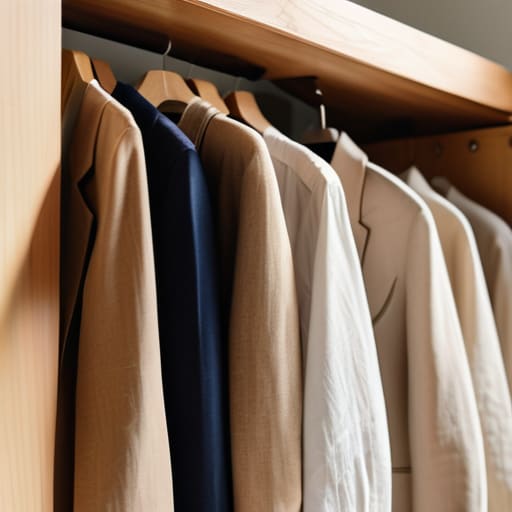
The biggest lie the fashion industry tells you is that a “new look” requires a new transaction. We’ve been conditioned to think that if we’re bored with our clothes, the solution is a checkout cart, but that’s just a hamster wheel that leaves you with a closet full of “nothing to wear.” Real style isn’t about accumulation; it’s about curation. Instead of chasing every micro-trend that hits your feed, focus on building a signature style through the lens of utility. Ask yourself: does this piece work with what I already own, or is it a soloist that demands a whole new orchestra?
If you want to actually save money, you have to start looking at the math. I’m obsessed with the cost per wear calculation because it’s the only metric that matters. A £10 polyester shirt that pills after three washes and loses its shape is infinitely more expensive than a £60 heavy-weight cotton tee that lasts three years. Stop looking at the price tag in isolation and start looking at the seam allowance and the fiber content. If the fabric is too thin to hold its own structure, it’s not a bargain—it’s a future landfill contribution.
The Math of Longevity Smart Shopping for Longevity and Quality
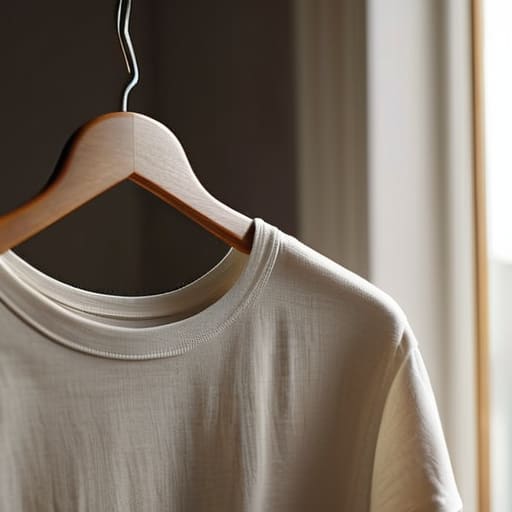
Stop looking at the price tag in isolation; that is where the marketing department wins. If you want to practice smart shopping for longevity, you have to look past the “sale” sticker and start doing a quick cost per wear calculation in your head. A £40 polyester shirt that loses its shape after three washes and leaves you looking like a crumpled paper bag is actually more expensive than a £90 heavy-weight cotton tee that survives fifty laundry cycles. I don’t care if it’s “on trend”—if the fabric is thin enough to see your hand through, it’s not a bargain, it’s a donation to a landfill.
Check the seams and the weight before you head to the till. A good rule of thumb? If the fabric feels flimsy or the stitching looks like it was done by a robot on high speed, walk away. You aren’t just buying a garment; you are buying the ability to wear it on a rainy Tuesday three years from now. Instead of chasing every micro-trend, focus on capsule wardrobe essentials that have enough structural integrity to actually hold their shape. That is how you build a wardrobe that works, rather than one that just takes up space.
Beyond the Price Tag Using Cost Per Wear Calculation
Stop looking at the number on the receipt and start looking at your calendar. When I’m sitting in the studio, I see people mourning a £100 sweater that fell apart after three washes, while they ignore that sturdy £60 wool blend they’ve worn every Tuesday for two years. This is where the cost per wear calculation actually matters. If you buy a “trendy” polyester top for £20 but only wear it once before the seams start puckering or you get bored of the silhouette, you haven’t saved money; you’ve just wasted twenty quid.
To actually build a wardrobe that works, you have to do the math. A pair of heavy-duty denim trousers might feel like a sting upfront, but if you’re wearing them twice a week for the next three years, that cost drops to pennies. That is how you achieve minimalist fashion on a budget without looking like you’re wearing a costume. You aren’t buying “outfits”; you are buying components. If the math doesn’t work—if the fabric is too thin to survive a standard wash or the cut is too specific to be versatile—leave it on the rack.
Building a Signature Style Through Capsule Wardrobe Essentials
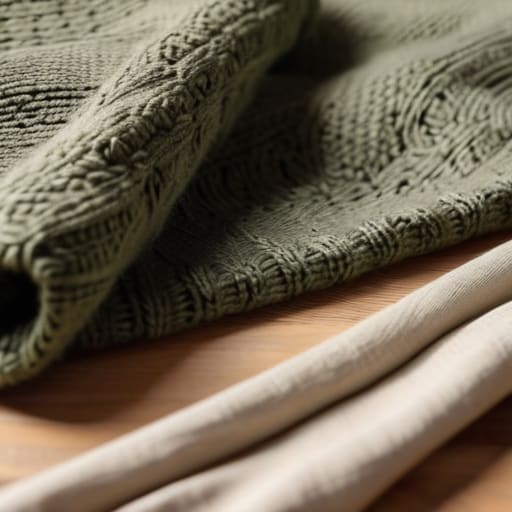
Forget the Pinterest boards filled with “aesthetic” lifestyle shots; building a signature style isn’t about buying a specific set of items, it’s about identifying the shapes and fabrics that actually make you feel like a person instead of a mannequin. When people talk about capsule wardrobe essentials, they often make it sound like a chore—a rigid list of white tees and beige trousers that leaves you feeling bored. But a real capsule is just a collection of pieces that actually talk to each other. I tell my clients to look at their current rotation and find the common denominator. Do you always reach for heavy cotton? Are you a linen person? Once you know your preferred textures, you stop wasting money on “trends” that feel like wearing a costume.
To make this work without breaking the bank, you need a wardrobe staple checklist that prioritizes versatility over variety. Instead of five mediocre shirts, aim for two high-quality ones in fabrics that won’t pill after three washes. Focus on color coordination for outfits that feels intuitive to you—if you love navy and forest green, don’t force yourself into a pastel palette just because it’s “in.” The goal is to create a loop where every top works with every bottom, reducing the mental load of getting dressed on a Tuesday morning.
The Fit Fix a Minimalist Fashion on a Budget Checklist
Here is my quick checklist for when you’re standing in a changing room trying to decide if a piece is actually worth your hard-earned money. Forget the “it looks cute” instinct; that’s how you end up with a closet full of clothes that make you feel like you’re wearing a costume. Instead, look at the structural integrity. Check the shoulder seams—if they’re drooping or pulling, walk away. Check the rise on trousers. If the fabric is straining at the crotch or the hips, no amount of color coordination for outfits will save the silhouette. A garment that fights your body is a garment that stays in the bag.
Before you commit, run through this wardrobe staple checklist: Can the hem be let down? Is there enough seam allowance to take it in? If you buy a high-quality wool blazer from a charity shop but the sleeves are two inches too long, that’s not a failed purchase—it’s a win, provided you budget £15 for a tailor. Real minimalist fashion on a budget isn’t about finding the perfect item off the rack; it’s about finding the right foundation and making it yours.
The Neve Okonkwo-Barr Cheat Sheet: 5 Ways to Stop Wasting Money on Clothes
- Check the seam allowance before you tap your card. If a garment has zero extra fabric inside the seams, you’re buying a dead end; the moment your body changes or you need to let it out, that piece is landfill. Look for a bit of “give” in the construction so a tailor actually has something to work with.
- Stop falling for “luxury” labels on cheap fabrics. I’ve seen £500 blazers made of polyester blends that pill after three wears and feel like wearing a plastic bag. If it feels scratchy or looks shiny under shop lights, walk away. Natural fibers like wool, cotton, and linen might cost more upfront, but they breathe, they drape, and they don’t disintegrate in the wash.
- Learn the “Shoulder Rule” for instant savings. You can fix a waist, you can shorten a hem, and you can take in a sleeve, but if the shoulder seam is drooping halfway down your arm, you’re cooked. Most tailors will charge you a fortune to reconstruct a shoulder, so buy for the shoulders and let me (or your local stitcher) handle the rest.
- Do a “Wednesday Test” on every new purchase. Don’t ask if this looks good in a mirror for five minutes; ask if you can wear it on a random, boring Wednesday when you have errands, a meeting, and a headache. If it only works with specific heels or a very particular handbag, it’s not a wardrobe staple—it’s a costume.
- Budget for the “Alteration Tax.” When you see a jacket for £40 that looks almost perfect, remember you’re actually paying £60 once you factor in the £20 it’ll cost to nip the waist. If the math doesn’t work, the “bargain” is a lie. Always build the cost of the fix into your initial decision.
The Real Cost of Style
Stop looking at the price tag as the final answer. A fifty-pound jacket that fits like a sack and falls apart after three washes is infinitely more expensive than a twenty-pound thrift find that you spend fifteen pounds to tailor. Real style isn’t about how much you spend; it’s about how much you invest in the seam, the fabric, and the fit.
Neve Okonkwo-Barr
The Bottom Line
At the end of the day, dressing well isn’t about having a massive credit limit or a closet full of “it” pieces that will be landfill by next season. It’s about understanding the math. It’s knowing that a £20 high-street blazer becomes a power move once you spend £15 at the tailor to nip in the waist, and it’s recognizing that fabric weight and seam construction matter more than a designer logo. If you stop looking at your wardrobe as a collection of purchases and start seeing it as a set of tools that need to fit your actual life, the stress of “having nothing to wear” starts to evaporate. You don’t need more clothes; you need clothes that actually work for you.
Don’t let the marketing machine convince you that you’re one shopping trip away from being “put together.” Style is a practice, not a transaction. It’s about the quiet confidence of wearing a sweater that hasn’t pilled into oblivion and trousers that hit your ankle exactly where they should. Build your wardrobe with intention and a bit of grit, and remember that the most stylish person in the room isn’t the one with the most expensive labels—it’s the one who looks like they actually belong in their own skin. Now, go check your seams and stop overpaying for bad fits.
Frequently Asked Questions
I found a great vintage coat, but the shoulders are too wide—is that a fixable problem or a waste of money?
Honestly? Run. Unless you’re looking for a very expensive lesson in structural engineering, wide shoulders are a nightmare. To fix them, a tailor has to deconstruct the entire sleeve, recut the armhole, and potentially reshape the whole yoke. That’s not a quick hem; that’s major surgery. You’ll end up spending more on the labor than the coat was worth, and even then, the silhouette might look “off.” Find one that actually fits your frame.
How do I actually tell if a cheap fabric is going to pill or lose its shape after three washes?
Don’t just look at the price; look at the weave. If it’s a loose, fuzzy knit, it’s going to pill by Tuesday. Give it a gentle tug—if the fibers spring back immediately, it’s got structure. If it stays stretched out, run. Also, check the composition tag. If it’s a high percentage of acrylic or thin polyester, it’ll lose its shape faster than a cheap hem. Natural fibers like cotton or wool are worth the extra few quid.
If I'm working with a tiny budget, should I spend more on one high-quality item or several cheaper pieces that I can tailor?
Buy the cheaper pieces, but only if the fabric isn’t complete garbage. If you buy a high-quality wool blazer but it fits like a sack, you’re stuck. If you buy a decent cotton shirt for twenty quid and spend fifteen at my local tailor to nip the waist, you’ve actually built an outfit. Buy mid-range fabrics that can handle a needle, then use the money you saved to pay for the fit. That’s how you win.
