Stop listening to influencers who tell you that looking “effortless” requires a wardrobe full of expensive, seasonal linen sets that wrinkle the second you sit down for lunch. They are selling you a lie that makes style feel like a full-time job. The truth is, most people think they need a bigger closet to figure out how to look put together with little effort, but they actually just need a better relationship with their current one. I spent two years in a basement studio pinning hems for people who were exhausted by the cycle of buying “staples” that lost their shape after three washes; I learned that looking polished isn’t about the brand name on the neck, it’s about how the fabric hits your shoulders.
I’m not here to give you a shopping list or tell you to “invest” in anything unless the math actually works. Instead, I’m going to show you how to audit what you already own, which cheap seams are actually worth a quick trip to the tailor, and how to build a functional uniform that works on a random Tuesday. We are going to focus on weight, drape, and the tiny, inexpensive fixes that make a £10 shirt look like it was made specifically for your body.
Understanding How to Look Put Together With Little Effort
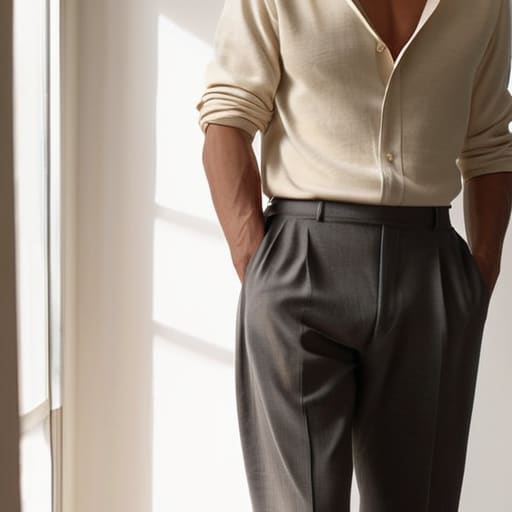
Looking “put together” isn’t about the sheer volume of clothes in your closet; it’s about the math of how they interact. Most people think they need a massive haul to fix a boring wardrobe, but they actually just need elevated basics for everyday wear that don’t fight against their bodies. If your trousers are pooling around your ankles or your shirt shoulders are drooping two inches too low, you will look disheveled regardless of how much you spent. You can buy the most expensive silk blouse in the world, but if the seam allowance is skimpy and the fabric is a cheap polyester blend, it’s going to look limp by lunchtime.
The real secret is focusing on structural integrity. Instead of chasing every micro-trend, invest your energy into finding a few pieces with decent fabric weight—think heavy cottons, wool blends, or structured linens—that actually hold their shape. Once you have those, you can lean into styling monochromatic outfits to create a streamlined silhouette that looks intentional rather than accidental. It’s much easier to look polished when you aren’t constantly tugging at a hemline or adjusting a waistband that refuses to sit where it should.
Key Things to Know
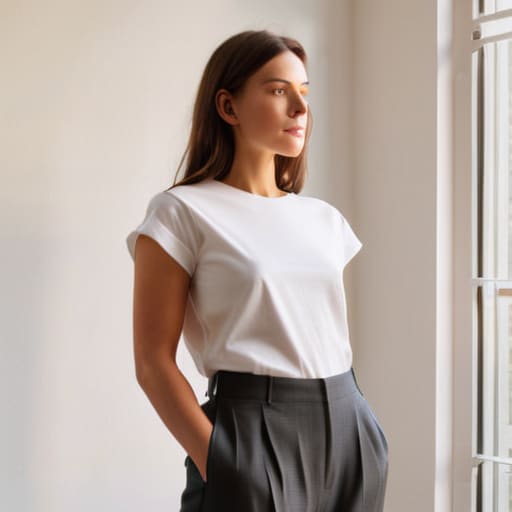
First, let’s talk about the lie that “looking polished” requires a massive budget. It doesn’t. Most of the time, looking intentional is just about mastering elevated basics for everyday wear that actually fit your frame. If you buy a high-end organic cotton tee but the shoulder seam is drooping two inches past your natural bone, you won’t look expensive—you’ll look like you’re wearing your older brother’s hand-me-downs. I tell my clients all the time: a £10 shirt with a £15 hem adjustment looks better than a £200 designer piece that sits poorly on your hips.
Second, stop chasing every micro-trend that hits your feed. Instead, focus on fabric integrity. If you want to build a reliable rotation, look for natural fibers with some weight to them—think heavy cottons, linen blends, or wool. These hold their shape through a Tuesday morning commute and a Wednesday afternoon slump. When you lean into capsule wardrobe essentials that prioritize structure over novelty, you stop fighting your clothes and start actually wearing them. It’s about the math of durability, not the dopamine hit of a new package arriving.
Practical Tips and Steps

First, stop looking for a “new look” and start looking at your current seams. The easiest way to achieve an elevated look without spending a fortune is to focus on elevated basics for everyday wear that actually fit your frame. If you have a pair of trousers that you love but they bunch at the ankles or pull at the hips, don’t toss them—take them to a tailor. A simple hem or a tapered leg costs about the same as two fancy lattes, but it makes a £20 pair of trousers look like they were made for you.
Second, lean into the math of color. If you want to look intentional without thinking, try styling monochromatic outfits. When you wear different shades of the same color, it creates a continuous visual line that looks expensive and deliberate, even if the pieces are from a high-street brand. Just check the fabric weight first; a thin, shiny polyester in a single color looks cheap, but a heavy cotton or a matte wool blend holds its shape and makes the whole outfit look structural rather than sloppy.
Common Mistakes to Avoid
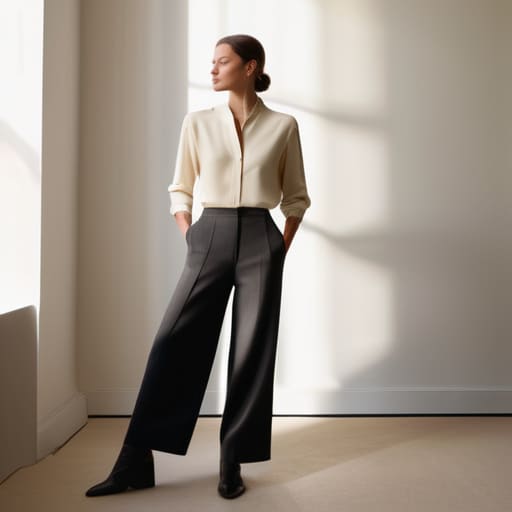
The biggest mistake I see is people treating “effortless” as an excuse for “ill-fitting.” You can buy all the elevated basics for everyday wear your bank account allows, but if those trousers are pooling around your ankles because you didn’t bother with a hem, you don’t look chic—you look like you’re wearing your older brother’s clothes. A baggy silhouette only works if the structure is intentional. If the fabric is cheap and the shoulder seam is drooping two inches past your actual shoulder, it’s not a “relaxed fit,” it’s just a bad garment.
Another trap is the “trend-chase” cycle. People think they need a new wardrobe every season to stay relevant, but they end up with a closet full of polyester pieces that lose their shape after three washes. Instead of chasing micro-trends, focus on improving personal presentation through fabric integrity. Stop buying things that look good on a mannequin but can’t survive a Wednesday. If you can’t see a clear way to style a piece with at least three things you already own, put it back. It’s not a bargain if it sits in your drawer with the tags still on.
Final Thoughts
At the end of the day, looking “put together” isn’t a reward for people with huge credit limits; it’s just the result of paying attention to the details that actually matter. You don’t need a massive haul of new trends to fix your image. Most of the time, you just need a few elevated basics for everyday wear that actually fit your shoulders and your waist. If you can master the art of the tailor and learn to spot a decent fabric weight, you’ve already won half the battle.
Stop stressing about the “perfect” outfit and start focusing on the math of your closet. Invest in a few capsule wardrobe essentials that can survive a heavy wash cycle and a busy Wednesday, rather than chasing every micro-trend that lands in your feed. Style isn’t about how much you spend; it’s about how much respect you show to the clothes you already own. Fix the hem, check the seams, and let the fit do the heavy lifting for you.
The Five Non-Negotiables for a Low-Effort Uniform
- Stop chasing “trends” and start chasing fabric weight. A cheap, thin jersey top will look limp and messy after three wears, making you look like you just rolled out of bed even if it’s clean. If you want to look put together without trying, buy heavier cottons or blended knits that hold their shape. Structure is the difference between looking “relaxed” and looking “disheveled.”
- The “Five-Minute Tailor” rule. Most people think looking polished requires a designer budget, but it actually requires a £15 hem. If your trousers are bunching at the ankles or your shirt sleeves are swallowing your hands, you will look sloppy regardless of how much the garment cost. A quick taper or a shortened hem is the cheapest way to make a high-street find look like it was made for you.
- Master the art of the “Third Piece.” If you’re just wearing a t-shirt and jeans, you’re in lounge mode. If you add a structured blazer, a heavy denim jacket, or even a well-cut cardigan, you’ve created a silhouette. It’s about adding one layer that has some intentionality to it—it signals to the world that you actually finished the process of getting dressed.
- Check your hardware and your friction points. I see so many people wearing beautiful outfits that are ruined by a loose button, a frayed hem, or a zipper that’s halfway down. These tiny “failures” in garment maintenance scream “low effort.” Keep a small sewing kit; fixing a loose button takes ten minutes and costs nothing, but it saves your entire aesthetic.
- Prioritize a cohesive colour palette over “statement” pieces. It is much easier to look put together when your clothes actually talk to each other. If you stick to a base of neutrals—navy, charcoal, cream, or black—you can grab any top and any bottom from your wardrobe in the dark and they will likely work. Complexity is the enemy of a low-effort morning; predictability is your best friend.
The Real Secret to Looking Polished
Looking put together isn’t about the brand name on your chest or how many new pieces you added to your cart this week; it’s about the way a hemline hits your ankle and whether your shoulder seams actually sit where your shoulders end. You can spend a month’s rent on a designer blazer, but if it’s pooling around your waist because the tailoring is lazy, you’ll just look like you’re wearing someone else’s life. Real style is just good fit and decent fabric—and most of the time, that’s a twenty-minute trip to a tailor, not a trip to the mall.
Neve Okonkwo-Barr
The Bottom Line
At the end of the day, looking put together isn’t about the sheer volume of your wardrobe or how many “must-have” pieces you’ve managed to scavenge from a sale. It’s about the math of your closet: how well your clothes actually sit on your frame and how much work they do for you on a Tuesday morning when you’re running late. If you focus on fabric integrity, prioritize a decent tailor over a trendy silhouette, and stop chasing every micro-trend that hits your feed, you’ve already won. Remember, a £15 thrifted blazer with a perfectly adjusted shoulder seam will always look more expensive and intentional than a £300 designer piece that hangs off you like a sack.
Stop letting the industry convince you that your lack of style is a lack of money. It isn’t. Style is a series of small, smart decisions—deciding that a hem is worth the twenty quid to fix, or realizing that a sturdy cotton twill is a better friend than a flimsy polyester blend. When you stop trying to buy a new identity every season and start respecting the architecture of your clothes, you’ll find that looking “put together” becomes second nature. You don’t need more clothes; you just need clothes that actually work for you.
Frequently Asked Questions
If I only have twenty quid to spend on a tailor, which specific part of an outfit will give me the biggest "expensive" upgrade?
If you’ve only got twenty quid, don’t waste it on a waist nip or a sleeve shortening. Go straight for the hem of your trousers. A clean, intentional hem—whether it’s a slight crop or a perfect break—instantly makes a cheap pair of chinos look like they were made for you. It changes how the fabric drapes and how you walk. It’s the cheapest way to stop looking like you’re wearing your parent’s hand-me-downs.
How can I tell if a cheap blazer is actually worth buying for my wardrobe, or if the fabric is going to pill and lose its shape after three wears?
Don’t trust the “premium” tag; trust your hands. Grab the fabric and give it a firm squeeze—if it stays crumpled like a used napkin, walk away. Check the weight, too; if it feels thin and flimsy, it’ll lose its structure by Tuesday. Most importantly, look at the weave. If it’s a loose, fuzzy knit, it’s going to pill the moment you put a bag over your shoulder. Buy for substance, not just a silhouette.
Is it actually possible to look "put together" in basic loungewear, or do I fundamentally need structured pieces like trousers and shirts to make it work?
You can absolutely do loungewear, but you have to stop treating it like pajamas. The difference between “I just woke up” and “I meant to do this” is fabric weight and structure. Avoid thin, jersey knits that cling to every seam; they look cheap and sloppy. Look for heavy-weight cotton or fleece that holds its own shape. If the fabric has some “heft,” it mimics the structure of real clothes. It’s about intentionality, not just adding a blazer.
