I spent two years in a basement studio pinning hems for brides, and if there’s one thing I learned, it’s that the fashion industry loves to make “sustainability” feel like a luxury you can only afford if you shop at specific, overpriced boutiques. They want you to think that being eco-friendly requires a massive lifestyle overhaul or a subscription to a high-end rental service. But honestly? Most of the “green” advice out there is just marketing fluff designed to make you feel guilty for having a wardrobe that isn’t perfect. I’m not here to sell you on a lifestyle; I’m here to give you a complete guide to textile recycling that actually respects your time and your bank account.
Forget the vague, feel-good slogans about “circularity” that don’t tell you what to do with a pair of polyester leggings that have lost their stretch. I’m going to show you the actual mechanics of what happens to your clothes after they leave your hands. We’ll talk about which fibers are actually worth saving, what can truly be repurposed in a sewing machine, and when it is genuinely better to let a garment go to a proper textile shredder rather than forcing it into a donation bin where it’ll just sit in a warehouse. This isn’t about being a perfect consumer; it’s about practicality over performance.
Understanding Complete Guide to Textile Recycling
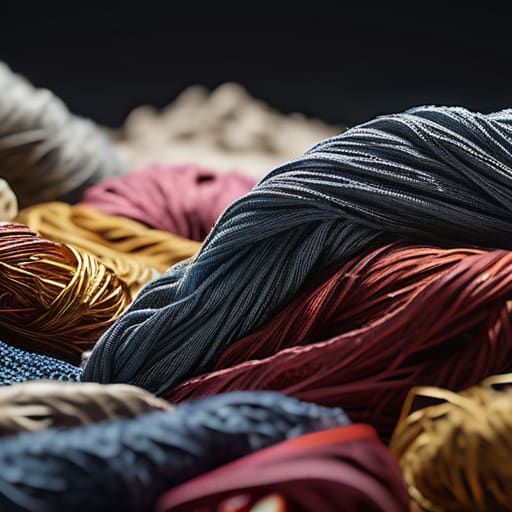
Before we talk about bins and sorting, we need to get one thing straight: “recycling” is often used as a massive, fluffy umbrella term by brands to make you feel better about buying more. In reality, there is a huge difference between a shirt being turned into insulation for a house and it being turned back into a shirt. Most of what we call recycling is actually just downcycling—taking high-quality fibers and shredding them into something less useful, like carpet padding or car stuffing. If we want to actually support a circular economy in fashion, we have to stop treating clothes like they are disposable paper towels.
Real textile waste management starts with looking at the fiber content on that tiny, itchy care label. If it’s a blend—say, 60% cotton and 40% polyester—it is a nightmare to recycle because separating those fibers is incredibly expensive and technically difficult. This is why I always advocate for fabric repurposing methods at home first. If a garment is too far gone for a tailor to save, don’t just assume it’s trash. Before you hunt for local textile recycling facilities, ask yourself if that heavy denim can become a sturdy tote or if that soft jersey is better suited as cleaning rags.
Key Things to Know
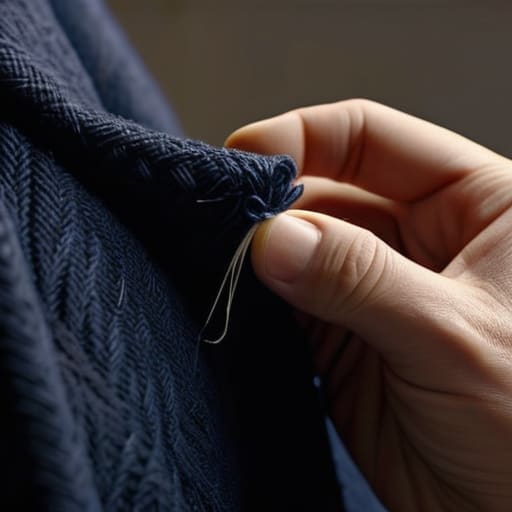
First off, stop treating your wardrobe like it’s disposable. Most people think recycling starts when a garment is literally falling apart, but real textile waste management begins with how you treat the fibers while you’re still wearing them. If you can see the weave starting to pill or a seam is pulling, that is your cue to act before the fabric becomes too thin to save. I’ve seen countless beautiful wool coats end up in a shredder simply because someone didn’t realize a simple reinforcement could have doubled its lifespan.
Before you even think about hunting down textile recycling facilities, you need to audit what you actually have. Not everything is created equal; a 100% cotton tee is a much better candidate for fabric repurposing methods than a polyester blend that’s basically just glorified plastic. If you’ve got a piece that’s too sentimental to bin but too stained to wear, don’t just let it rot in the back of the closet. Look into clothing upcycling ideas—like turning a ruined silk slip into a camisole—because the best way to manage waste is to make sure it never becomes waste in the first place.
Practical Tips and Steps
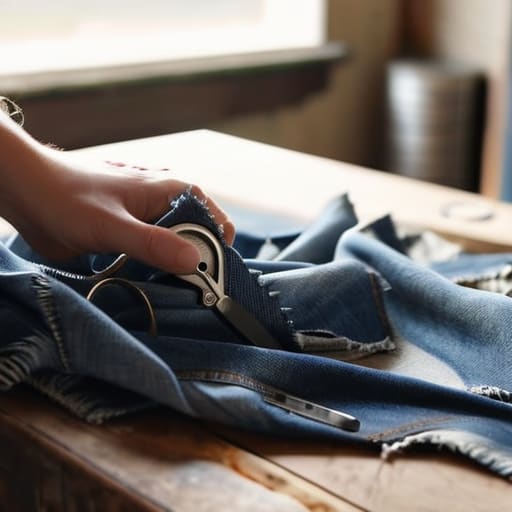
Before you even think about a donation bin, do a quick audit of the fabric. I’ve spent way too many hours in a basement studio looking at “donated” items that were actually just rags. If the seams are shredded or the elastic has turned into brittle dust, it’s not a donation; it’s trash. For anything that still has life but just doesn’t fit your current body, look into clothing upcycling ideas like turning those high-waisted trousers into a skirt or letting a tailor take in the sides. It costs about fifteen quid to fix a silhouette, which is much cheaper than buying a new pair of jeans.
If the fabric is truly beyond repair—think stained linens or holey cottons—don’t just bin it. This is where fabric repurposing methods actually matter. You can use old jersey scraps for cleaning cloths or even stuff them into a cushion. If you’re looking at a larger scale, find your local textile recycling facilities that specifically handle non-wearable scraps. We need to move toward a genuine circular economy in fashion where we stop treating every loose thread like it’s disposable.
Common Mistakes to Avoid
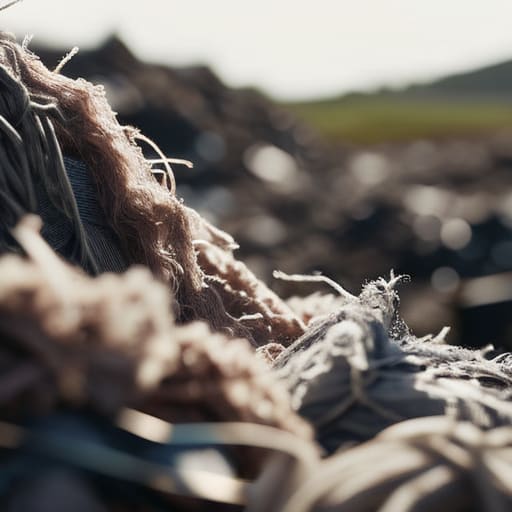
The biggest mistake I see—and it breaks my heart because I see the sheer volume of it—is treating the donation bin like a magic portal where clothes simply cease to exist. People often think that if they drop a bag of stained, ripped, or stretched-out polyester at a charity shop, they’ve done their bit for sustainable fashion practices. They haven’t. Most of those items are actually just landfill fodder in disguise. If a garment is beyond repair, don’t pass the problem onto a charity that has to pay to dispose of it; look for actual textile recycling facilities that specialize in breaking down fibers.
Another massive blunder is the “all or nothing” mindset. People think they have to choose between buying a brand-new “eco-friendly” capsule wardrobe or throwing everything away. That is nonsense. The most sustainable thing you can do is use the clothes you already own. Before you bin something, look for clothing upcycling ideas—can that oversized blazer be cropped? Can those trousers be turned into shorts? If the fabric is high-quality but the fit is tragic, fix the fit instead of replacing the item.
Final Thoughts
Look, I know it feels overwhelming. You’re standing in front of a pile of clothes, wondering if you’re doing enough or if you’re just moving trash from one pile to another. But here is the truth: you don’t need to master the entire circular economy in fashion by Tuesday morning to make a difference. Start small. If a garment is structurally sound but just doesn’t sit right on your hips, don’t bin it—take it to a tailor. If the fabric is truly shot, look for local textile recycling facilities rather than just tossing it in the general waste.
Ultimately, the most radical thing you can do is stop treating clothes like they’re disposable. Whether you are exploring clothing upcycling ideas for that old denim jacket or simply learning which fibers actually survive a heavy-duty wash, you are reclaiming power from a system that wants you to keep buying. Stop looking for the “perfect” sustainable wardrobe and just start looking at what you already own with a bit more respect. Fit it, fix it, or find it a new life. That’s the only math that matters.
Stop Treating Your Bin Like a Textile Graveyard
- Check the fiber content before you even think about a recycling bin; a 100% cotton tee is a goldmine for mechanical recycling, but a polyester-spandex blend is a nightmare that most facilities can’t actually separate, so it usually just ends up as landfill anyway.
- Learn the difference between “reusing” and “recycling” because they aren’t the same thing—if a seam is ripped but the fabric is still strong, that’s a repair job for a tailor, not a recycling project, and keeping it in circulation is ten times better for the planet than breaking it down into fibers.
- Don’t dump your clothes in a textile bin while they’re still damp or stained with heavy grease; moisture breeds mold, and once that mold hits a batch of collected rags, the whole lot becomes unsalvageable and gets tossed.
- Be honest about the “end of life” stage—if a garment is truly shredded beyond repair, look for specialized companies that turn old cotton into insulation or wiping cloths rather than just tossing it into a general “textile recycling” bin that might just be a glorified trash can.
- Save your scraps for the small stuff; if you have bits of high-quality wool or linen left over from a hem adjustment, don’t bin them—they are perfect for stuffing small cushions or learning basic patchwork, which keeps the high-grade material out of the industrial shredder.
The Truth About the "Recycling" Label
Stop treating recycling like a magic wand that cleans up your shopping habits; a bin full of shredded polyester isn’t a solution, it’s just a slower way of wasting things. Real sustainability isn’t about how you dispose of a garment, it’s about whether the fabric was actually built to survive a needle, a wash, or a second life in someone else’s wardrobe.
Neve Okonkwo-Barr
The Real Bottom Line
At the end of the day, recycling isn’t some magical solution that lets us keep buying a new haul every single week. We’ve talked about sorting your fabrics, knowing when a seam is too far gone to save, and why throwing a high-quality wool blend into a general textile bin is a massive waste of potential. It comes down to being intentional: if the fabric is sound, find a tailor or a repair shop; if it’s truly dead, make sure it goes to a facility that actually reprocesses the fibers rather than just shipping them off to a landfill in another country. It’s about understanding that every garment has a lifecycle, and your job is to make sure it doesn’t end prematurely just because of a loose thread or a missing button.
Stop letting the industry convince you that your wardrobe is disposable. The most sustainable thing you can do isn’t just recycling—it’s refusing to treat clothes like trash in the first place. When you start looking at your clothes through the lens of construction and durability rather than just trends, everything changes. You stop being a consumer and start being a curator. Build a wardrobe that actually lasts, fix what you can, and recycle what you can’t, but do it with the knowledge that style is about longevity, not how much waste you can generate in a single season.
Frequently Asked Questions
Does it actually matter if I mix my natural fibers like cotton with synthetics like polyester when I'm sorting them for recycling?
It matters immensely. Think of it like trying to bake a cake with both flour and sawdust; the chemistry just breaks. Most recycling plants use mechanical shredding or chemical baths that work perfectly on 100% cotton or 100% wool, but once you mix in polyester, the process gets messy and expensive. If you’re sorting for textile recycling, keep your naturals and synthetics separate. A pure fiber is a resource; a blend is often just landfill fodder.
If a garment is too damaged or stained to wear, is it even worth sending to a textile bank, or am I just wasting their time?
Look, if it’s got a massive grease stain or the fabric is literally shredding, don’t just dump it in a textile bank. Most banks are just glorified middlemen for resale, and they don’t have the budget to deal with actual trash. You’re just adding to the pile. If it’s beyond a needle and thread, find a dedicated rag recycler or a textile shredding service. Don’t pass your waste problem onto someone else.
How can I tell if a piece of clothing is actually being recycled into new fiber versus just being shipped off to a landfill in another country?
Look, if a brand says they’re “recycling” but doesn’t name the specific facility or the technology used, they’re probably just exporting their problem. Real fiber-to-fiber recycling—where an old cotton tee actually becomes new cotton yarn—is expensive and rare. Most “recycling” programs are just downcycling (turning clothes into insulation) or, worse, shipping mountains of waste to Ghana. If they can’t show you the math on the textile recovery rate, it’s just marketing.
