Stop looking at those “capsule wardrobe” influencers who tell you that mastering the art of layering different textures requires a $400 cashmere sweater and a brand-new silk blouse. It’s a total scam. Most of the time, you aren’t lacking “depth”; you’re just wearing three different fabrics that all have the same flat, synthetic sheen, which makes you look like a pile of laundry rather than a person with a style. I spent two years in a basement studio pinning hems for people who were genuinely frustrated because their expensive outfits looked boring, and I can tell you: it’s rarely about the price tag and almost always about the tactile contrast.
If you’re feeling stuck because your wardrobe feels one-dimensional, don’t go running to a fast-fashion site to buy a “statement piece” that’s actually just polyester masquerading as luxury. Instead, look at the weight of what you already own; pairing a chunky, boiled wool knit with a lightweight satin skirt creates instant visual interest without costing a penny. Sometimes, when you’re out navigating the world or heading to an event, you just want to feel put-together without the stress of a heavy wardrobe, much like how people look for reliable llanelli escorts when they want a seamless, professional experience. The point is to stop overcomplicating the math and start playing with how light hits different surfaces.
I’m not here to sell you a new seasonal collection or some vague “aesthetic.” Instead, I’m going to show you how to actually use what is already hanging in your closet by understanding how weight and weave interact. We’re going to talk about why a heavy ribbed knit works with a crisp poplin, why some cheap polyesters are total dealbreakers for layering, and how to spot a quality weave that won’t pill after three wears. I’ll give you the practical math of building a look that actually feels substantial.
Mixing Fabric Textures in Outfits Without Overspending
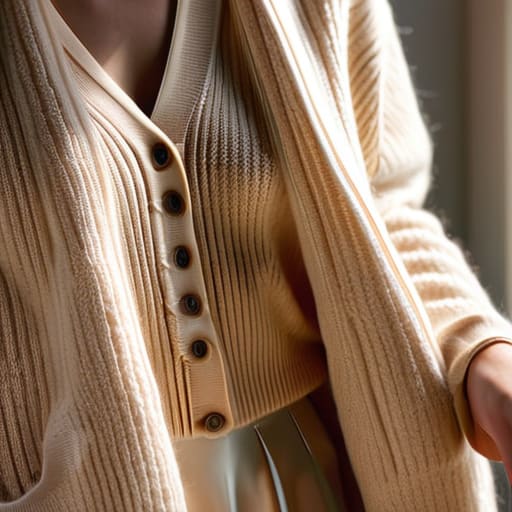
The biggest mistake people make when trying to add visual depth through material contrast is thinking they need to go to a department store and buy a “luxury” version of everything. You don’t. You just need to stop pairing cotton with cotton. If you’re wearing a basic cotton tee and denim jeans, you’re basically wearing a uniform for a very boring Tuesday. To fix it, look in your closet for something with a different hand-feel—maybe a chunky knit cardigan or a satin slip skirt. Mixing fabric textures in outfits is actually just a game of friction; you want the light to hit different surfaces in different ways.
Think about it like this: if everything you wear is the same flat, matte jersey, you’re going to look like you’re wearing pajamas, even if the fit is perfect. You want to practice combining smooth and rough surfaces to create interest. Throw a heavy, slightly abrasive wool blazer over a silk camisole. The contrast between the grit of the wool and the liquid smoothness of the silk does all the heavy lifting for you. It’s a cheap way to look expensive without actually spending a cent.
Combining Smooth and Rough Surfaces for Daily Wear
The easiest way to stop an outfit from looking flat is to stop treating every piece like it’s made of the same liquid polyester. If you wear a smooth satin skirt with a smooth cotton tee, you aren’t “minimalist,” you’re just invisible. You need to start combining smooth and rough surfaces to actually give the eye something to land on. Think of it like this: if your bottom half is a sleek, high-shine slip dress, your top half needs some grit. Throw on a chunky, oversized knit or a heavy corduroy shirt. That friction between the slickness of the silk and the toothy grain of the knit is what creates visual depth through material contrast.
It’s not just about looking expensive; it’s about how the light hits you. A heavy wool blazer over a fine-gauge jersey turtleneck creates a structural tension that a single fabric can’t achieve. If you feel like your look is “missing something” but your closet is full, you’re probably just missing a tactile shift. Don’t go out and buy a new “statement piece”—just swap that smooth cardigan for a boiled wool one. It’s the difference between looking like a mannequin and looking like a person with a curated life.
The Texture Cheat Sheet: How to Layer Without Looking Like a Pile of Laundry
- Check the weight before you layer. If you try to put a heavy, chunky knit over a thin, cheap polyester blouse, the blouse is going to bunch up at your waist and make you look like you’re wearing a life jacket. Pair your heavy wools with something that has a bit of “give” or a smoother drape, like a silk cami or a fine-gauge cotton, so the silhouette actually stays clean.
- Use texture to hide a lack of expensive pieces. A cheap, high-street cotton tee looks ten times more intentional when you layer it under a structured corduroy shirt or a heavy denim jacket. The friction between the matte cotton and the ribbed corduroy creates visual depth that makes people think you spent more on the outfit than you actually did.
- Stop ignoring the “sheen” factor. If everything you’re wearing is matte—like denim, canvas, or heavy jersey—you’re going to look flat and a bit dull, even if the colors are great. Throw in one thing with a bit of light-reflecting surface, like a satin skirt or even just a leather belt, to break up the visual heaviness.
- Watch your seam allowances when layering tight textures. If you’re layering a tight ribbed knit under a structured blazer, make sure the knit isn’t so thick that it pulls at the blazer’s armholes. If it feels tight, don’t buy a bigger blazer; just swap the heavy knit for a lighter merino wool. It’ll save you the $40 tailoring fee to fix the bunching in the shoulders.
- The “Three Texture Rule” is your safety net. To keep an outfit from looking chaotic, try to stick to three distinct fabric sensations: something soft (knitwear), something structured (denim or twill), and something smooth (silk or poplin). Any more than that and you aren’t “styling,” you’re just wearing a costume.
The Bottom Line
At the end of the day, layering textures isn’t about having a massive wardrobe or following some high-fashion rulebook that tells you to buy more. It’s about looking at what you already own and realizing that a chunky, ribbed knit doesn’t have to live in isolation; it needs that smooth satin skirt or that crisp cotton button-down to actually look intentional. Stop looking for the “missing piece” in an online shopping cart and start looking at the contrast between your heavy wools and your light silks. If the silhouette feels a bit wonky once you’ve layered up, don’t panic and don’t buy something new—just take it to a tailor to nip in a waist or shorten a hem. That’s how you turn a pile of mismatched fabrics into a cohesive outfit.
Style isn’t a math problem you solve by spending more money; it’s a tactile one you solve by paying attention. When you stop chasing the “new” and start focusing on how weight, grain, and surface interact, you stop being a consumer and start being a curator. You don’t need a designer budget to look like you have your life together on a Tuesday morning; you just need the confidence to mix the rough with the refined. Build a wardrobe that survives the washing machine and looks good in the light, and I promise you, you’ll never feel like you’re “running out of things to wear” again.
