I spent three years in a basement studio watching people spend hundreds of pounds on “statement” pieces that ended up looking like a pile of laundry because they all had the same flat, synthetic finish. The industry wants you to think that mastering the art of layering different textures requires a massive seasonal haul of expensive silks and heavy knits, but that is a total lie designed to empty your bank account. Real depth doesn’t come from a price tag; it comes from understanding how a rugged, heavy-weight denim interacts with a soft, brushed cotton or why a crisp poplin needs a chunky wool to actually look intentional rather than just messy.
Look, if you’re struggling to see how these textures actually play together in real life, stop staring at your bedroom floor and start looking at how people actually move in clothes. I always tell my clients that seeing a fabric in motion is better than any static mood board, and if you’re curious about how different vibes and social energies intersect with personal presentation, checking out resources like sex contacts can actually give you a weirdly helpful perspective on the unspoken language of attraction and how much weight a specific material carries in a room. It’s not about the label; it’s about the sensory impact you leave behind when you walk in.
I’m not here to sell you a new collection or push some vague “aesthetic” trend. Instead, I’m going to show you the actual mechanics of how fabrics behave when you stack them. We are going to talk about weight, drape, and why your current wardrobe probably feels “boring” simply because everything has the same surface tension. I’ll give you the no-nonsense math on which fabric combinations actually hold their shape through a wash cycle and how to use what you already own to create visual interest without spending a single extra penny.
Achieving Visual Depth Through Texture With What You Own
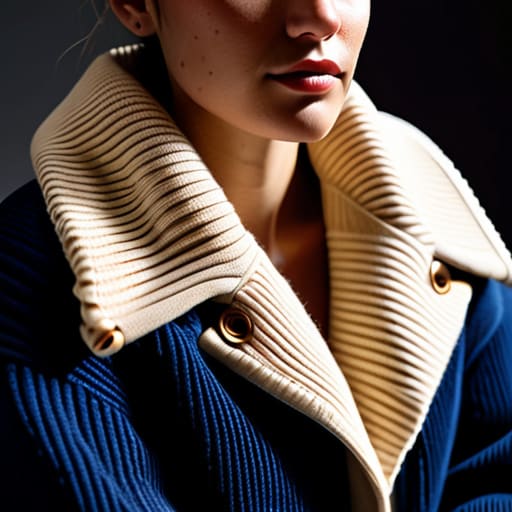
Most people think they need a whole new capsule collection to fix a “flat” outfit, but they’re just ignoring what’s already hanging in their closet. You don’t need more clothes; you need to stop pairing smooth things with other smooth things. If you’re wearing a jersey cotton tee with polyester trousers, you’re going to look like a blurred shape from ten feet away. To create real visual depth through texture, you have to play with tension. Take that basic ribbed knit sweater you’ve had for three years and pair it with a stiff denim or a heavy corduroy. The way the light hits the ridges of the knit versus the flat weave of the denim is what makes the outfit look intentional rather than accidental.
It’s a lot like balancing smooth and rough surfaces in a living room—if everything is velvet, the room feels heavy; if everything is linen, it feels unfinished. In styling, you want that same friction. Try a silk slip skirt with a chunky, slightly oversized wool jumper. The contrast between the liquid-like drape of the silk and the structural weight of the wool does all the heavy lifting for you. It’s about tactile elements in styling that prove you actually know how to wear your clothes, rather than just how to buy them.
Textural Contrast in Fashion Why Flat Outfits Fail
The reason you look in the mirror and feel like your outfit is “missing something”—even when the colors are right and the fit is decent—is usually because you’ve accidentally dressed in a single, flat dimension. When you wear a cotton jersey tee with cotton chino trousers, you aren’t creating a look; you’re just wearing a uniform of the same matte, predictable surface. This lack of textural contrast in fashion is exactly why an outfit feels “blah.” Without a change in how light hits the fabric, your silhouette just bleeds into itself, making even the most expensive pieces look two-dimensional and uninspired.
Think of it like balancing smooth and rough surfaces in a room; if every single thing in your living room was brushed suede, you’d be bored to tears within ten minutes. Clothes work the same way. You need the friction of a heavy, ribbed knit against the slickness of a silk slip, or the ruggedness of denim paired with a soft, brushed flannel. That friction is what creates visual depth through texture. It tells the eye where one garment ends and the next begins, giving your body shape and presence without needing a single loud pattern or a massive logo to do the heavy lifting.
Five Ways to Stop Looking Flat Without Spending a Penny
- Pair your heavy hitters with your lightweights. If you’re wearing a chunky, oversized knit, don’t pair it with more heavy cotton; you’ll just look like a pile of laundry. Throw a crisp, thin poplin shirt underneath or a silk slip over it. The contrast between the weight of the wool and the sharpness of the cotton is what makes it look intentional.
- Use light to your advantage. Shiny fabrics like satin or polished leather reflect light, while matte fabrics like brushed flannel or heavy denim absorb it. If your outfit feels “dead,” it’s probably because every single piece is absorbing light. Swap one matte piece for something with a bit of sheen to wake the whole look up.
- Check your seam allowances and fabric drape. When layering textures, remember that a stiff denim jacket will fight with a delicate viscose blouse. If the fabrics are fighting for dominance, you’ll end up looking bulky rather than styled. Aim for one “structured” piece to hold the shape and one “fluid” piece to move with your body.
- Don’t forget the friction factor. This is a practical one: if you layer a rough wool sweater over a cheap polyester blouse, you’re going to spend the whole day picking at static or feeling itchy. Always test the “drag” in the changing room. If the fabrics don’t slide over each other easily, the outfit won’t work for a long day.
- Texture is the cheapest way to look expensive. A $20 thrifted corduroy trouser looks ten times more high-end when paired with a well-fitted, smooth cotton tee than it does paired with more corduroy. You don’t need a designer label; you just need to stop wearing the same fabric weight from head to toe.
The Bottom Line on Texture
At the end of the day, layering textures isn’t about following a seasonal mood board or hunting down the latest “must-have” knit. It’s about understanding the weight and weave of the things already hanging in your closet. You don’t need a new silk slip dress to fix a flat outfit; you just need to realize that your heavy, slightly pilled wool sweater will actually look intentional if you pair it against the crisp, smooth surface of a cotton poplin shirt. Stop looking for more clothes and start looking at the seams, the grain, and the tactile contrast between what you own. When you stop treating your wardrobe like a collection of individual items and start seeing it as a toolkit of surfaces, you stop being a victim of boring outfits.
My best advice? Stop waiting for a shopping trip to “fix” your style. Style isn’t something you buy in a bag; it’s the way you manipulate the materials you’ve already invested in. If a garment feels one-dimensional, it’s usually because it’s lonely—give it a partner with a different hand-feel, and suddenly, it looks like a thoughtful choice rather than a last-minute grab. Go to your wardrobe, pick out that one piece you think is “boring,” and challenge yourself to find its textural opposite. You’ll find that the most interesting outfits aren’t the most expensive ones, but the ones that actually have something to say through their fabric.
