Stop looking at those “seasonal capsule” mood boards that suggest you need to buy five new cashmere knits just to survive a Tuesday in October. Most of those “complete guide to layering” tutorials online are just thinly veiled advertisements for more stuff you don’t need. They tell you to layer for the aesthetic, but they never talk about the physics of it—like how a heavy wool blazer over a chunky Aran knit will make your armholes feel like they’re being strangled by a vice. I spent two years in a basement studio pinning hems for people who were terrified of looking bulky, and I can tell you right now: layering isn’t about adding more clothes; it’s about managing fabric weight so you don’t end up looking like a pile of laundry.
I’m not here to sell you a lifestyle; I’m here to show you how to use what you actually own. This is my real-world, no-nonsense approach to building outfits that actually move with your body. I’ll walk you through which fabrics play nice together, how to avoid the dreaded mid-day overheat, and how to spot a layer that’s actually worth the price tag. We’re going to focus on the math of the silhouette, not the hype of the trend.
Stop Buying More Clothes My Complete Guide to Layering
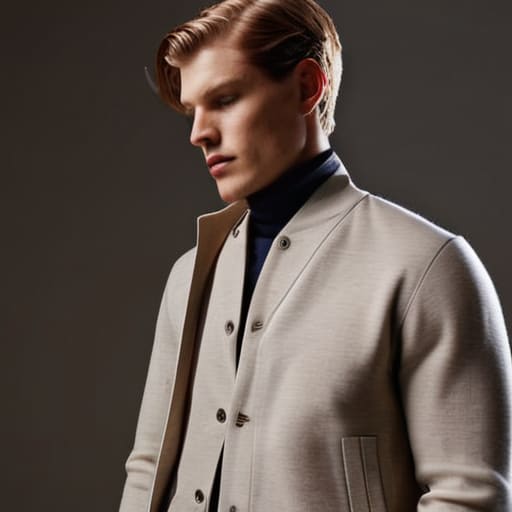
The biggest mistake I see is people treating layering like a game of Tetris with whatever is at the top of their laundry pile. You end up looking like a marshmallow because you’ve ignored the physics of it. A proper clothing layering system isn’t about adding volume; it’s about managing space and air. If you start with a bulky, cheap knit as your foundation, you’ve already lost. You’ll have no room for anything else, and you’ll spend the whole day overheating in the office only to freeze the second you step outside.
Instead, focus on the hierarchy of fabrics. Your first step is a slim-fitting base layer—ideally something with moisture wicking properties like merino wool or a high-quality synthetic—that sits close to the skin without bunching. Once that’s sorted, you add your insulating mid layers to trap heat. This is where you can play with texture, but watch your seam allowances; if your mid-layer is too thick at the armholes, your outer shell is going to feel like a straitjacket. Layering is about control, not just coverage.
The Math of Moisture Wicking Base Layer Choices

Let’s talk about the cost of being wrong. Most people think a “good” base layer is just whatever softest thing they can find on sale, but if that fabric is 100% cotton, you’ve essentially just bought a heavy, wet sponge that will cling to your skin the second you break a sweat. In a proper clothing layering system, the math is simple: if the base layer fails to move moisture away from your skin, your insulating mid layers will soak up that dampness, lose their loft, and stop working. You’ll end up shivering even in a heavy fleece because your core temperature is plummeting.
Instead, look for breathable fabric choices like merino wool or high-quality synthetics. I always tell my clients to check the fiber content on the internal care label before they even look at the price tag. A $30 merino tee might seem more expensive than a $10 cotton undershirt, but when you factor in how much longer the wool lasts and its ability to handle temperature regulation through clothing without smelling like a locker room after one wear, the math actually favors the “expensive” option. It’s about cost-per-wear and, more importantly, not being miserable.
Why Insulating Mid Layers Are Your Real Wardrobe Workhorses
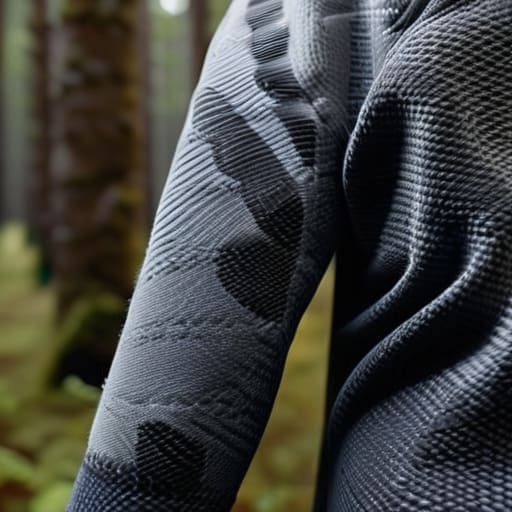
If the base layer is your skin’s first line of defense, the mid layer is the actual engine room. This is where the real magic of temperature regulation through clothing happens. Most people make the mistake of thinking they need a massive, heavy coat to stay warm, but that just leads to overheating the moment you step into a heated shop or a crowded bus. Instead, you want a mid layer that traps air without adding five inches of unnecessary bulk to your silhouette.
I always tell my clients to look for texture and loft. A high-quality wool sweater or a lightweight fleece works because they create tiny pockets of warm air. But here is the practical catch: check the fiber content. A cheap, 100% acrylic knit might feel soft in the shop, but it lacks the breathability of real wool and will eventually pill until you look like you’ve been wearing a carpet. If you invest in a decent wool blend, you’re buying a piece that actually moves with you. A good mid layer is the pivot point of your clothing layering system; it’s the difference between feeling cozy and feeling like a stuffed sausage.
Outer Shell Weather Protection Without the Luxury Markup

Look, I know the marketing for “technical shells” makes it feel like you need to spend a month’s rent just to stay dry during a commute. They’ll show you a mountain climber in the Andes, but you’re just trying to get to a meeting without your shoulders feeling like a sponge. The secret to outer shell weather protection isn’t a designer logo; it’s understanding the difference between a membrane and a weave. If you buy a cheap, plastic-feeling raincoat, you’re going to sweat through your insulating mid layers within twenty minutes because the air can’t escape. You’ll end up damp from the inside out, which is arguably worse than being hit by rain.
Instead of chasing “luxury” tech, look for breathable fabric choices like high-density nylon or treated cotton blends that actually allow moisture to move. A decent windbreaker or a lightweight trench shouldn’t cost more than a decent pair of boots. If the salesperson starts using words like “revolutionary” or “proprietary,” walk away. You want a shell that acts as a shield, not a sauna. Focus on the seam sealing and the weight of the fabric; if it feels like a heavy-duty bin bag, it’s going to fail you when the temperature actually drops.
Mastering Temperature Regulation Through a Proven Clothing Layering System
The problem with most people’s approach to dressing for the weather is that they treat layers like a stack of pancakes—just adding more bulk until they can’t move their arms. A real clothing layering system isn’t about quantity; it’s about managing the microclimate between your skin and your clothes. If you get too hot, you sweat; if you sweat, you get cold the second you stop moving. That is how you end up shivering in a café despite wearing a heavy wool coat.
To actually achieve temperature regulation through clothing, you have to think about air gaps. Your mid-layers shouldn’t be pressed tight against your base layer; they need a little bit of room to trap the heat your body is actually producing. If you’re wearing a synthetic fleece that’s too tight, you’re basically just wearing a plastic bag. You want breathable fabric choices that allow moisture to escape while keeping the warmth tucked in. It’s a delicate balance of physics, not a contest of who can wear the thickest jumper.
5 Ways to Layer Without Looking Like a Human Onion
- Watch the seam bulk. If you’re layering a heavy flannel over a thick knit, your shoulders are going to look like they’re wearing football pads. Always layer from thinnest to thickest fabric weights—merino, then cotton/wool, then your heavy outer shell—to keep the silhouette clean and prevent that weird, bunchy tension in the armholes.
- Check your cuff-to-sleeve ratio. There is nothing more frustrating than a thermal base layer that peeks out three inches past your sweater, or worse, a shell that’s so tight it pulls your mid-layers up into your armpits. If you can’t move your arms comfortably without the whole system shifting, the layers aren’t working together.
- Don’t ignore the “armhole test.” When you’re trying on a mid-layer, lift your arms. If the fabric is pulling tight across your chest, it’s too small for layering. You need that extra half-inch of ease to accommodate the garment underneath, otherwise, you’re just restricting your own circulation for the sake of a “slim fit.”
- Fabric composition is more important than the brand name. A $100 “designer” sweater made of 100% acrylic will trap sweat, make you feel clammy, and eventually pill into a mess. I’d rather see you in a $20 thrifted wool blend that breathes; it’ll actually work with your base layer to regulate temperature instead of turning you into a sauna.
- Mind the hardware. If your mid-layer has a chunky, decorative zipper and your outer shell also has a heavy-duty zip, you’re doubling the bulk right down your center. Try to alternate: if your jacket is heavy on the metal, keep your sweaters and shirts simple and smooth to avoid a stiff, armored feeling.
The Layering Lie
Most people think layering is about adding more clothes until they’re too bulky to move; it’s actually about managing fabric weight and air pockets so you don’t look like a pile of laundry or end up sweating through your shirt by lunchtime.
Neve Okonkwo-Barr
The Bottom Line
At the end of the day, layering isn’t some complex science experiment you need a degree to master; it’s just about understanding how your clothes interact with your body and the air around you. We’ve looked at why your base layer needs to manage moisture so you aren’t sitting in a damp shirt, why those mid-layers are the actual heavy lifters of your silhouette, and why you should stop overpaying for “technical” shells when a well-constructed cotton or wool blend might do the job just fine. Remember, a successful layer isn’t defined by how many items you’ve piled on, but by how well they manage bulk versus warmth. If you feel like a stuffed sausage, you’ve failed the math, no matter how expensive the brands are.
Stop waiting for a sale to “fix” your wardrobe and start looking at what you actually have hanging in your closet right now. Most of the time, you don’t need a new seasonal collection; you just need to understand the fabric weights and how to bridge the gaps between what you own. Style isn’t about having the most layers; it’s about having the right layers that actually work when you’re running for a bus or sitting in a drafty office. Go through your hangers, check your seams, and start building a system that serves you, rather than a shopping list that serves a marketing department.
Frequently Asked Questions
If I have a heavy wool coat that's a bit too big in the shoulders, is it actually worth paying a tailor to fix it, or will the extra cost make the whole layering system a waste of money?
If the shoulders are too wide, you’re looking at a structural rebuild, not a quick hem. A decent tailor will charge you anywhere from £40 to £80 to take those shoulders in, and honestly, that’s the “make or break” moment. But if it’s high-quality wool, do it. A perfectly fitted heavy coat is a decade-long win; a baggy one just makes you look like you’re wearing your dad’s clothes. Fix the bones, save the coat.
How do I know if a mid-layer is actually insulating me or if I'm just adding bulk that's going to make me look like a marshmallow?
It comes down to loft versus density. If you’re just stacking thick, cheap acrylic knits, you’re just adding air gaps and bulk without any heat retention—that’s the marshmallow effect. You want “loft” that stays trapped. Look for high-quality wool or a tightly woven synthetic fleece. If the fabric feels heavy but doesn’t hold its shape, it’s just dead weight. A good mid-layer should feel surprisingly light but hold heat like a thermal hug.
Can I actually layer things I already own, or am I going to need to buy specific "technical" fabrics to make this work?
Look, you don’t need to go out and buy a $150 technical merino base layer just to survive a Tuesday. If you have cotton, wool, or even a decent synthetic blend already in your drawer, use them. The trick isn’t the brand name; it’s the thickness. Just don’t try to layer two heavy hoodies—you’ll look like a marshmallow and move like a robot. Use what you have, just watch the bulk.
