Stop falling for the lie that you need to buy a whole new “maternity” collection the second you see a positive test. Honestly, the marketing around this is exhausting; it’s designed to make you feel like your entire identity has evaporated and been replaced by a sea of cheap, stretchy polyester that loses its shape after three washes. Most of the time, when we talk about how pregnancy and body change affect a wardrobe, we aren’t actually talking about a lack of clothes—we’re talking about a lack of seam allowance. You don’t need a mountain of disposable fast fashion; you need to understand how to navigate the shift in your silhouette without binning everything you actually love.
I’m not here to sell you on “must-have” trends or overpriced bump-friendly basics that look like pajamas. Instead, I’m going to show you the actual maths of a changing body. We’re going to look at which fabrics can actually stretch without bagging out, which pieces can be saved with a simple side-seam release, and exactly when it makes sense to call a tailor versus when you should just let it go.
Understanding How Pregnancy and Body Change Affect a Wardrobe
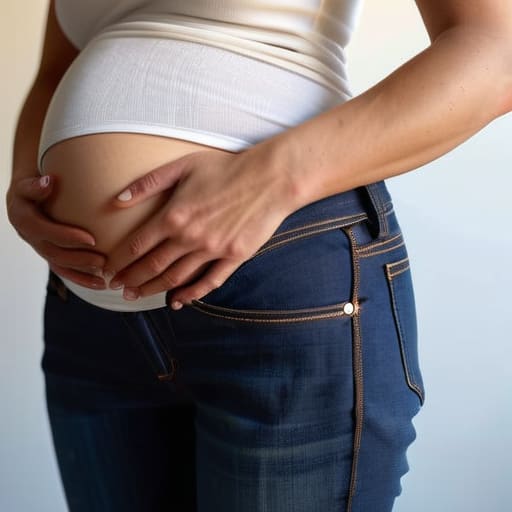
The first thing you need to realize is that your body isn’t “breaking”; it’s just redistributing its volume. Most people panic and think they need a complete overhaul, but what’s actually happening is a shift in your center of gravity and your seam allowances. You aren’t just gaining weight in one spot; your ribcage might expand, your hips will widen, and your posture will shift to compensate for the bump. If you try to force your old, rigid denim to keep up, you aren’t just going to be uncomfortable—you’re going to blow out the crotch seam or snap a button, and that is a waste of good fabric.
Instead of hunting for a massive capsule wardrobe for pregnancy that you’ll only wear for a few months, look at the mechanics of what you already own. You need to prioritize dressing for changing body shape through layering and strategic tension. This means looking for pieces with a bit of give—think high-quality jersey or knits—rather than those stiff, “maternity-only” polyester blends that feel like wearing a plastic bag. The goal is to find items that can accommodate the expansion now and still look intentional during your postpartum wardrobe transition later.
Key Things to Know
First, let’s talk about the “maternity” trap. Most brands design these collections with the assumption that you want to look like you’re wearing a tent. They use thin, synthetic blends that lose their shape after three washes, leaving you with a pile of useless fabric. Instead, focus on stretchy fabric clothing options that actually have some recovery—think high-quality jersey or ponte knits. If the fabric doesn’t snap back when you pull it, it’s not going to survive your changing silhouette.
Second, stop thinking in terms of “phases” and start thinking about seam allowance. A good wool trouser or a sturdy denim skirt often has enough extra fabric in the hips to be let out by a decent tailor. This is much cheaper than buying a whole new capsule wardrobe for pregnancy every few months. You aren’t just dressing a changing body; you are managing a technical transition. If you buy pieces with a bit of natural ease, you aren’t just buying clothes; you’re buying time and a much smaller dry-cleaning bill.
Practical Tips and Steps
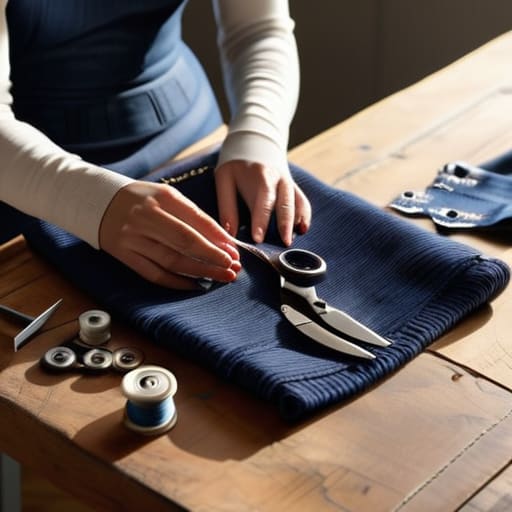
First, stop looking at the “maternity” section of high-street websites as your only salvation. Most of those pieces are made from cheap, thin jersey that loses its shape after three washes, which is a waste of your money. Instead, look for stretchy fabric clothing options in your existing wardrobe—think high-quality ponte knits or denim with a decent percentage of elastane. If a skirt fits your hips but is pulling at the waist, don’t bin it; take it to a tailor to have the waistband let out. It’ll cost you about the price of a lunch, and it’ll last you years longer than a single-season maternity dress.
As you move into your postpartum wardrobe transition, remember that your body isn’t just “growing out” and “shrinking back.” It’s shifting. Focus on layering rather than buying new “fit” items. A structured blazer over a soft, stretchy knit can hide a changing midsection while still looking like a real outfit. If you’re building a capsule wardrobe for pregnancy, prioritize natural fibers like cotton and wool that breathe. They hold their structure better through the physical changes, ensuring you don’t end up with a closet full of shapeless sacks.
Common Mistakes to Avoid
The biggest mistake I see people make is treating pregnancy like a temporary identity crisis that requires a complete wardrobe overhaul. You don’t need to go out and buy a whole new “maternity” collection that you’ll only wear for a few months; most of that stuff is overpriced, poorly constructed, and made of synthetic blends that don’t breathe. Instead of dumping your current clothes, look for stretchy fabric clothing options or pieces with enough seam allowance to be let out. If you buy into the hype of a massive maternity haul, you’re essentially throwing money into a bin that you can’t use once the baby arrives.
Another trap is ignoring the postpartum wardrobe transition by focusing entirely on the bump. I see so many people buying tiny, restrictive clothes for the second trimester, only to realize they have zero options for the actual recovery period. Don’t forget that your body isn’t just growing outward; it’s shifting. If you focus only on the belly, you’ll miss the fact that your ribcage or hips might need a different kind of drape. Stop shopping for a shape and start shopping for fabric that moves with you.
Final Thoughts
Look, I know the marketing tells you that you need to hit ‘add to cart’ on an entire new life cycle of clothes, but please, just breathe. Your body is doing something incredible, and it’s okay if your denim doesn’t feel like a friend right now. Instead of spiraling into a shopping spree, focus on a few stretchy fabric clothing options that actually have some structure—think heavy jersey or ribbed knits that won’t look like pajamas by week thirty. If you can find pieces with a bit of seam allowance, you’re already winning.
The goal isn’t to look like a mannequin; it’s to feel like you while your shape is in flux. Whether you are navigating a postpartum wardrobe transition or just trying to survive a Tuesday without a waistband digging into your ribs, remember that most of this is temporary. Don’t let the industry convince you that your style has expired just because your measurements have shifted. Buy for the body you have today, fix what you can, and stop overcomplicating the math.
5 Ways to Stop the Wardrobe Meltdown Before It Starts
- Stop buying “maternity” lines for everything. Most of those clothes are made of cheap, stretchy polyester that loses its shape after three washes. Instead, buy high-quality basics with a bit of natural elastane or even just oversized linen shirts that look intentional, not like you’re hiding a bump under a tent.
- Look for the “seam allowance” rule. Before you buy anything you think might fit for a while, check the inside of the garment. If there’s a generous amount of extra fabric tucked into the seams, a tailor can let it out as you grow. If the seam is finished right at the edge of the fabric, you’re stuck.
- Prioritize natural fibers that actually breathe. Your body temperature is about to become a chaotic variable, and nothing makes you feel more miserable than being trapped in non-breathable synthetic fabrics when you’re overheating. Stick to cotton, linen, and lightweight wool; they survive the sweat and the washing machine much better.
- Invest in a “bridge” blazer or cardigan. A structured layer in a good weight can mask a changing midsection while making you look put-together for work or meetings. It’s much cheaper to pay £25 to have a blazer sleeves shortened than to buy a whole new “professional maternity” wardrobe.
- Don’t ditch your “goal” clothes yet, but don’t try to force them either. If a pair of jeans is getting tight, don’t suffer through it—it ruins your posture and your mood. Buy a pair of high-quality leggings or a skirt with a wide waistband now, and keep the old stuff in a separate bin so you don’t have to see them every morning.
The Maternity Trap
Stop treating your changing body like a shopping emergency. Most ‘maternity’ collections are just overpriced, shapeless sacks of polyester that won’t survive a single wash, when the truth is your existing wardrobe just needs a bit of seam allowance and a tailor who knows how to let a garment breathe.
Neve Okonkwo-Barr
The Bottom Line
Look, we’ve covered a lot of ground, but if you walk away with nothing else, remember this: your body is doing something monumental, and your clothes shouldn’t be the thing making you feel small. You don’t need a brand-new “maternity” capsule collection that you’ll only wear for six months; you need a strategy. Focus on fabric integrity—stick to natural fibers that actually move with you—and stop viewing every change in your silhouette as a reason to hit ‘add to cart.’ Most of the time, a well-placed seam allowance or a quick trip to a local tailor to let out a waistband is the most cost-effective way to stay feeling like yourself without draining your bank account.
At the end of the day, style isn’t about maintaining a static version of yourself that no longer exists. It’s about being kind to the person you are right now. Your wardrobe is a tool, not a cage, and it should work for your life, not against it. Don’t let a tight button or a shifting hemline dictate your mood or your confidence. Focus on the fit, the feel, and the function, and I promise you’ll find that you can navigate this transition without losing your identity—or your entire savings—to the retail cycle. You’ve got this.
Frequently Asked Questions
Is it actually cheaper to buy specific maternity clothes, or should I just stick to oversized basics and pay for alterations later?
Honestly? Most “maternity” lines are a rip-off. You’re paying a premium for extra fabric that often lacks structure or decent seam allowance. Unless you’re buying high-quality basics with enough stretch to actually grow with you, stick to oversized natural fibers—think heavy cotton or linen. It’s cheaper to buy a well-made oversized shirt now and spend £15 on a tailor to nip the shoulders later than to buy a flimsy “maternity” top that falls apart in three washes.
Which fabrics are actually stretchy enough to grow with me without losing their shape and looking saggy by the third trimester?
Look for high-quality jersey or ponte knits with a decent percentage of elastane—aim for 3% to 5%. Avoid anything with “cheap” stretch that feels crunchy; that’s just thin polyester that will bag out at the knees and bum by week twenty. Wool blends with a bit of stretch are also your best friend for structure that actually moves. If the fabric feels heavy and has “recovery” (it snaps back when you pull it), it’ll survive the trimester.
How much should I realistically expect to pay a tailor to let out the seams on my favorite high-street trousers?
Don’t expect a miracle, but don’t expect to pay designer prices either. For a standard high-street trouser, letting out the seams usually costs between £15 and £25. It depends entirely on how much “seam allowance” the manufacturer left inside—if they’ve been stingy with the fabric, there’s nothing to let out. Always turn the trousers inside out and check the seam before you go; if there’s no extra fabric, your money is better spent elsewhere.
