I spent two years in a basement studio pinning hems for a bridal shop, and if I learned one thing, it’s that the fashion industry is lying to you. They want you to believe that when your hips widen or your waist shifts, the solution is to go on a frantic, expensive shopping spree for a whole new “lifestyle.” It’s a scam. Most “styling experts” will tell you to buy a new silhouette, but they never mention that your current clothes are often just one seam away from working again. This isn’t a complete guide to dressing a changing body that involves a credit card and a lot of regret; it’s about realizing that your body isn’t the problem, the construction of your clothes is.
I’m not here to sell you on “investment pieces” that won’t even fit by next season. Instead, I’m going to show you the actual maths of style. We are going to talk about fabric weight, which weaves actually hold their shape, and exactly how much it costs to take a waistband in so you can stop squeezing into things that make you feel miserable. I’ll tell you what’s worth a trip to the tailor and what’s just expensive landfill.
Understanding Complete Guide to Dressing a Changing Body
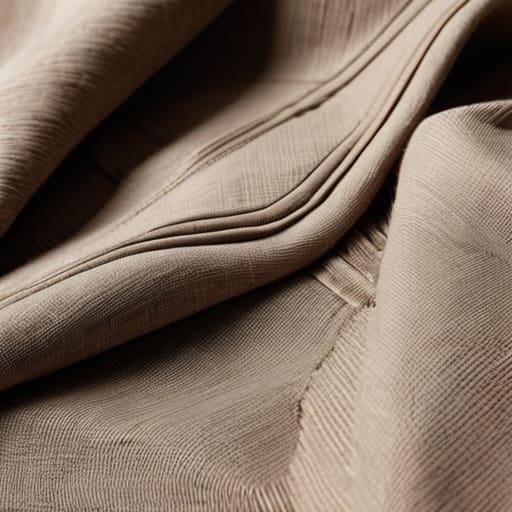
Look, your body isn’t a static mannequin, so why are we treating our wardrobes like they are? Whether you are navigating postpartum shifts, dealing with the metabolic chaos of your thirties, or just living through the reality of weight fluctuations, the instinct is always the same: panic-buy a whole new size. But that is a fast track to a closet full of clothes that feel like a costume. Instead of chasing a moving target, we need to talk about clothing that adapts to body changes through construction, not just stretch.
The secret isn’t in buying “oversized” everything—which usually just makes you look swallowed by fabric—but in prioritizing flexible fabric choices for comfort and smart seam allowances. I’m talking about high-quality natural fibers with a bit of life in them, or even just knowing which trousers have enough room in the hip to be taken in by a tailor later. If you focus on the architecture of the garment rather than the number on the tag, you stop fighting your shape and start working with it. Stop treating your clothes like a permanent contract; they are just tools for your current reality.
Key Things to Know
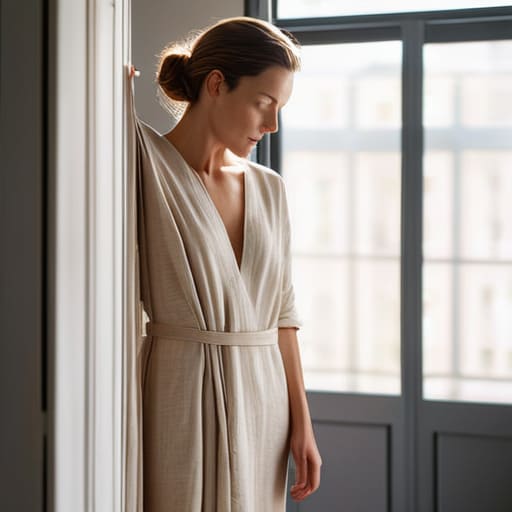
First, we need to stop treating a changing body like a temporary crisis that requires a total wardrobe purge. Whether you are navigating postpartum shifts or just dealing with the reality of getting older, the goal isn’t to buy a “new” version of yourself; it’s about finding wardrobe essentials for weight fluctuations that don’t require a different size every three months. I’m talking about pieces with enough seam allowance to breathe and fabrics that actually have some give.
Forget the rigid, high-stretch synthetics that lose their shape after two washes. If you want longevity, look for natural fibers blended with a bit of elastane, or better yet, garments designed with clever construction like wrap styles or adjustable waistbands. These are the real flexible fabric choices for comfort that actually survive a washing machine.
Most importantly, remember that “fit” is a moving target. If you love a piece but the waist is pinching, don’t toss it. A tailor can often let out a seam or add a small gusset for much less than the cost of a new pair of trousers.
Practical Tips and Steps

First, stop looking at your closet as a graveyard of “past you.” If you’re navigating postpartum changes or just general life shifts, the goal isn’t to squeeze into your size six trousers; it’s to find clothing that adapts to body changes without making you feel like you’re wearing a costume. Look for natural fibers with a bit of “give”—think wool blends or high-quality jersey—rather than stiff, non-stretch synthetics that fight your every move. If you can’t stretch it, don’t buy it, because a seam that’s under constant tension is a seam that’s going to pop by Tuesday.
Next, let’s talk about the math of a flexible wardrobe. Instead of buying “maternity” specific pieces that you’ll bin in six months, invest in wardrobe essentials for weight fluctuations like wrap dresses, oversized button-downs, and trousers with adjustable waistbands or deep hems. A good tailor can take a waistband in or let it out for about the price of a decent lunch. If the fabric is solid and the construction is decent, altering the fit is always cheaper than replacing the entire garment.
Common Mistakes to Avoid
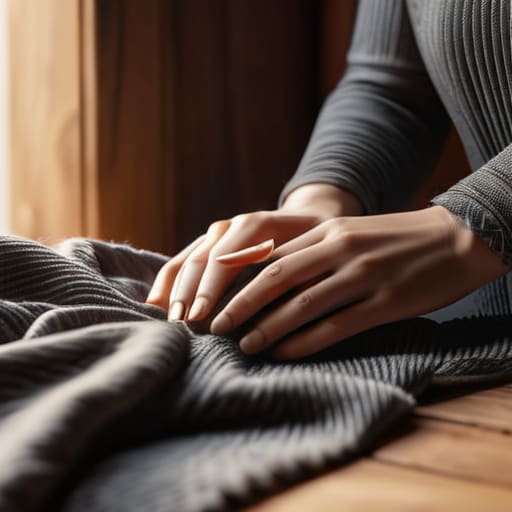
The biggest mistake I see—and I see it every time I’m hunched over a sewing machine—is the “revenge purchase.” You feel like your body has betrayed you, so you go out and buy a whole new wardrobe of “size-appropriate” clothes that you actually hate. Stop it. Most of those pieces are made of cheap, rigid synthetics that have zero give and will look just as bad in six months. Instead of panic-buying, look for flexible fabric choices for comfort, like high-quality jersey blends or weaves with a bit of elastane. If the fabric can’t move with you, it’s not a garment; it’s a cage.
Another trap is ignoring the architecture of what you’re wearing. People often think body positivity and fashion means just wearing oversized sacks to hide everything. That’s not style; that’s just hiding. You don’t need to mask your shape; you just need to manage the tension points. If a seam is pulling or a button is straining, don’t buy a bigger size—just find a tailor. A simple side-seam adjustment is often cheaper than a new pair of trousers and will actually make you feel human again.
Final Thoughts
Look, I know the feeling of standing in front of a mirror and feeling like your clothes are actively betraying you. It’s exhausting. But please, stop treating your wardrobe like a scoreboard for your weight. Whether you are looking for styling tips for postpartum bodies or just navigating the weird, unpredictable shifts of adulthood, the solution isn’t a massive shopping spree—it’s a shift in perspective.
The goal isn’t to find clothes that “hide” you; it’s to find clothes that actually work for you. Focus on flexible fabric choices for comfort, like high-quality jersey or mid-weight wool blends that have a bit of give, rather than rigid, cheap synthetics that snap the moment you sit down. If you can invest in a few solid pieces and a reliable local tailor, you’ve already won half the battle. Style isn’t about being a static size; it’s about being smart with your seams. Buy for the body you have today, fix the fit when it shifts, and stop letting a clothing label tell you how to feel about yourself.
Five ways to stop fighting your clothes and start wearing them
- Stop buying for the “goal” body. If you buy a size 6 because you think you’ll be a size 6 by July, you are just buying a very expensive piece of fabric to sit in your closet and make you feel bad. Buy what fits your ribs and hips right now, then let a tailor take in the waist later. It’s much cheaper to nip in a waist than to try and stretch out a rigid denim waistband.
- Learn the difference between “stretch” and “structure.” When your body is in flux, you’ll be tempted by everything with 10% elastane, but if you wear nothing but jersey and spandex, you’ll look shapeless. Mix it up. Pair a stretchy knit top with a structured, high-quality trouser that has a bit of room in the rise. You want fabrics that move with you, but enough weight to hold a silhouette.
- Check the seam allowance before you commit. If you’re shopping secondhand or even at high street shops, look at the inside of the garment. Is there extra fabric tucked into the seams? If there is, you have “insurance.” If the seam is finished right at the edge of the fabric with zero room to move, that garment is a dead end if your body changes even half an inch.
- Prioritize natural fibers over “performance” blends. Polyester-heavy blends tend to cling to every new curve in a way that feels suffocating and looks cheap. Wool, cotton, and linen have a natural “give” and a structural integrity that holds up much better when your proportions shift. A good wool trouser can be let out or taken in far more gracefully than a synthetic blend.
- The “Sit Test” is non-negotiable. Don’t just stand in front of the mirror and admire the line. Sit down. Breathe deeply. If that button feels like it’s under siege or the waistband is digging into your stomach, do not buy it. A garment that works while you’re standing but fails while you’re eating lunch is not a wardrobe staple; it’s a hostage situation.
The Truth About Your Wardrobe
Your body isn’t failing your clothes; your clothes are failing your body. Stop treating every size change like a shopping emergency and start looking at your seams—most of the time, you don’t need a new wardrobe, you just need a tailor who knows how to respect a fabric’s grain.
Neve Okonkwo-Barr
The Bottom Line
Look, we’ve covered a lot of ground, from why you should stop panicking every time a waistband feels tight to the actual mechanics of how a seamstress can save your favorite trousers. The takeaway is simple: your body is a moving target, but your clothes don’t have to be a source of constant grief. Stop looking at your changing shape as a failure and start looking at it as a technical adjustment. Focus on the fabrics that actually have some give, learn to spot a quality hem, and remember that most “fit problems” are actually just minor tailoring opportunities waiting to happen. If you can master the art of the quick fix and the strategic buy, you’ll stop wasting money on things that end up in the back of the closet by next season.
At the end of the day, I want you to stop apologizing to your mirror. You aren’t “difficult to dress” just because your measurements shifted; you’re just living a life that involves eating, aging, and moving. The fashion industry thrives on making you feel like you need to buy your way into a new identity every time you gain or lose five pounds, but that is a lie designed to keep you spending. Style isn’t a static destination you reach and then stay at forever; it’s a continuous, practical conversation between you and the fabric you wear. Wear the clothes, don’t let the clothes wear you.
Frequently Asked Questions
I found a vintage wool blazer that fits my shoulders perfectly but is way too big in the waist—is that actually worth paying a tailor to fix, or will it ruin the silhouette?
If the shoulders fit, you’ve already won the hardest battle. Shoulders are the structural anchor; if they’re wrong, the whole garment is trash. Taking in the waist is standard work, but don’t let a tailor just “pinch” the back. Ask them to taper the side seams to maintain the original shape. Budget about £30–£45 for a decent job. If the wool is heavy and high-quality, the math says: fix it.
How can I tell if a fabric is going to stretch out or lose its shape permanently if my weight fluctuates a little bit?
Look at the composition tag, not the model in the ad. If it’s 100% cotton or linen, it’ll hold its shape, but it won’t “give”—if you’re between sizes, you’ll feel restricted. If it’s a heavy jersey or has high elastane (anything over 5%), it’ll stretch, but beware: cheap synthetics have “memory” issues. They stretch out by noon and stay saggy by dinner. Look for tightly woven blends; they bounce back.
At what point does an alteration stop being a "quick fix" and start costing more than the garment is actually worth?
It stops being a “fix” the moment you’re paying for the fabric you’re removing. If you have to take in the waist of a pair of trousers by more than two inches, you’re basically paying for a custom reconstruction. Once the alteration cost hits 50% of the garment’s original price—or more—you’ve lost the math. At that point, stop. Take that money, find a better base garment, and spend it on a proper tailor instead.
