I was sitting in a bridal shop three years ago, pinning a heavy silk hem for a client, when I watched a girl walk in wearing a perfectly decent vintage blazer paired with a massive, chunky plastic chain necklace that screamed “2014 Instagram influencer.” It was a tragedy in real-time. She thought she was adding “flair,” but she was actually just shouting a specific, expiring timestamp at everyone in the room. This is the fundamental trap of modern styling: we are taught that more is better, but we aren’t taught how accessories date an outfit by tethering a timeless silhouette to a fleeting, micro-trend moment.
I’m not here to tell you to buy a new collection of “statement pieces” every time a new aesthetic trends on TikTok. My promise is much simpler and significantly cheaper. I’m going to show you how to spot the difference between a piece that builds a wardrobe and one that just builds a costume. We’ll talk about material integrity, why certain metals age poorly against specific fabrics, and how to choose accents that actually support your clothes rather than distracting from them. No hype, just the actual maths of style.
Understanding How Accessories Date an Outfit
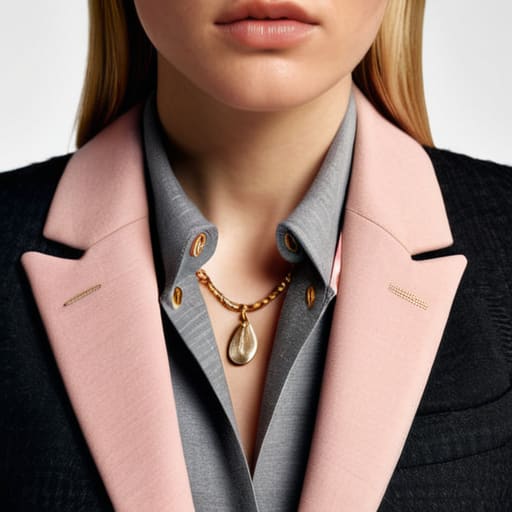
To understand why a look suddenly feels “stuck in time,” you have to look past the item itself and look at the construction. We often talk about fashion era indicators like specific beadwork or heavy gold plating, but it’s usually more subtle than that. It’s the way a certain weight of plastic resin or a specific shade of “millennial pink” hardware interacts with your clothes. When you pair a modern, structured blazer with a necklace that was clearly designed to hit a very specific, fleeting trend of 2014, you aren’t just accessorizing; you’re anchoring your entire silhouette to a dead year.
The trap is thinking that “new” equals “current.” I see people constantly chasing seasonal accessory trends vs classics, buying the hyper-specific, chunky, or oddly shaped pieces that influencers are wearing this week. The problem is that these items lack the structural integrity to live outside of their specific moment. If you want to stop looking like you’re wearing a costume of a past decade, focus on the materiality. A heavy, high-quality brass hoop or a silk scarf with a substantial weave will always look intentional, whereas a flimsy, trend-driven piece starts looking like an afterthought the second the season shifts.
Key Things to Know
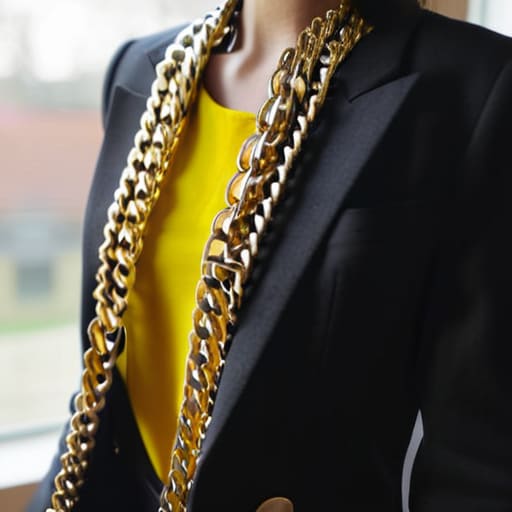
First, look at the hardware. If you’re pairing a perfectly structured blazer with a heavy, chunky chain that screams “2010 influencer,” you’ve just turned a professional look into a costume. I see this constantly: people trying to use investment fashion accessories to mask a lack of cohesion, but instead, the metal weight and finish act as fashion era indicators that pull the whole outfit backward. If the gold is too yellow or the clasp looks like it was made for a specific micro-trend, it’s going to date your clothes faster than a bad haircut.
Second, stop ignoring fabric weight in your accessories. A tiny, flimsy silk scarf might look cute in a photo, but if you’re wearing it with a heavy wool coat, the proportions are just wrong. When I’m helping someone build capsule wardrobe accessories, I look for pieces that have enough physical substance to stand up to the clothes. You want items that feel intentional, not like an afterthought you grabbed to hide a neckline you didn’t like. Weight and texture are the real tells of a curated wardrobe.
Practical Tips and Steps
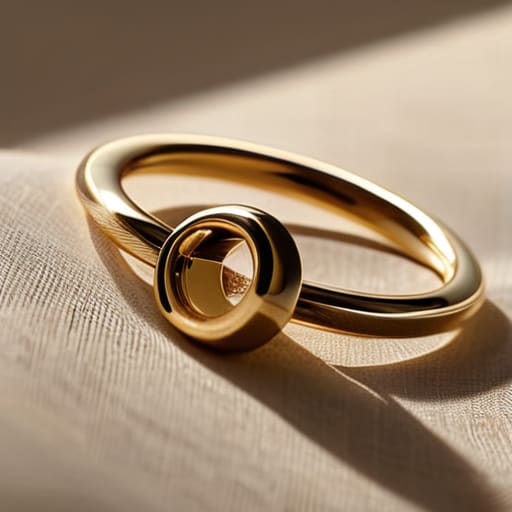
First, stop looking at the “New In” section and start looking at your hardware. If you want to master styling timeless jewelry, prioritize weight and finish over “statement” shapes. A chunky, gold-plated plastic chain might feel very current in a TikTok video, but it’s a dead giveaway of a trend cycle that will expire by next season. Instead, look for solid metals or high-quality vermeil that holds its shape. When you’re choosing capsule wardrobe accessories, ask yourself if the piece relies on a specific “moment” to work. If it only looks good because it’s paired with a very specific, hyper-trendy silhouette, it’s not a tool; it’s a costume.
Next, let’s talk about the math of leather and fabric. When you are avoiding outdated fashion trends, look at the edges. A belt with a massive, branded logo or a handbag with excessive, flimsy hardware screams “fast fashion” because it’s trying too hard to signal value. Real quality is quiet. I always tell my clients to invest in leather goods with clean lines and minimal stitching. It costs more upfront, but the cost-per-wear drops significantly when you aren’t replacing a peeling faux-leather strap every six months.
Common Mistakes to Avoid
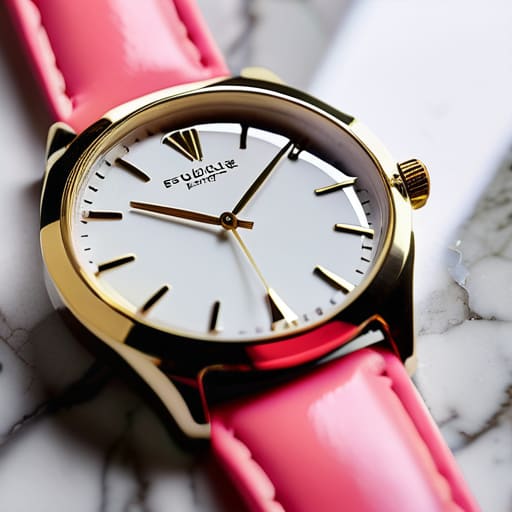
The biggest mistake I see is people treating accessories like a way to “update” a look by chasing every micro-trend on TikTok. If you buy a chunky, neon-colored resin ring just because it’s everywhere this month, you aren’t styling; you’re wearing a timestamp. These pieces act as fashion era indicators that scream “I bought this in 2024” and will look ridiculous by next Tuesday. Instead of hunting for the next viral plastic trinket, focus on capsule wardrobe accessories—things like a solid leather belt or a weightier metal watch—that don’t rely on a specific TikTok algorithm to look relevant.
Another trap is the “more is more” approach to jewelry. I often see clients trying to mask a poorly fitted blazer by layering five different necklaces that all have that same, flimsy gold-plated finish. That’s not style; it’s a distraction. If you’re trying to modernize vintage pieces, you need to be surgical. Don’t drown a classic silhouette in cheap, trendy hardware. One piece of investment fashion accessories—something with actual weight and decent construction—will do more for your silhouette than a pile of costume jewelry that’s going to turn your neck green in three months.
Final Thoughts
Look, I’m not telling you to throw away your jewelry box or live in a beige vacuum. My point isn’t that you should stop having fun with your clothes; it’s that you should stop letting your accessories do the heavy lifting for a trend that will be dead by next Tuesday. When you lean too hard into seasonal accessory trends vs classics, you aren’t building a style, you’re just renting a costume. If you find yourself constantly buying new pieces just to keep up with a specific “look,” you aren’t styling—you’re just chasing a moving target.
Instead, focus on the math of your wardrobe. If a piece doesn’t work with at least three things you already own, it’s probably not a smart buy. I’m a huge advocate for capsule wardrobe accessories because they actually work for you on a random, rainy Wednesday, not just for a curated Instagram post. Prioritize weight, metal quality, and silhouette. If you invest in pieces that feel substantial and don’t rely on “micro-trends” to look relevant, you’ll spend less time feeling outdated and more time actually feeling like yourself.
Five Ways Your Accessories Are Telling on You
- Watch the hardware weight. If you’re pairing a heavy, chunky “statement” necklace from 2014 with a modern, minimalist silk blouse, you aren’t “accessorizing,” you’re time-traveling. Cheap, oversized gold-plated pieces lose their luster and their relevance fast; stick to smaller, solid metals that don’t scream for attention.
- Beware the “Trend Trap” bags. I see it all the time: someone buys a perfectly decent, well-constructed wool coat, but then ruins the silhouette with a bag that has a very specific, very temporary “it-girl” shape. If the bag relies on a micro-trend to look good, it’s going to make your whole outfit look like a costume by next season.
- Check your belt’s structural integrity. A flimsy, faux-leather belt with a branded logo plate is the fastest way to date a look. It’s not an investment if the material cracks in six months. A real leather belt with a simple, functional buckle can hold a waistline for a decade; a trendy one will just make you look like you’re stuck in a specific year of fast-fashion cycles.
- Scrutinize the “finish” of your scarves. Silk scarves are great, but if they are printed with the hyper-specific patterns that dominated a single season, they become a giveaway. Look for weaves and textures—like a heavy linen or a classic wool—rather than prints that are trying too hard to be “current.”
- Don’t let jewelry dictate the era. If your outfit is timeless—think a crisp white shirt and well-fitted trousers—don’t sabotage it with earrings that are clearly trying to mimic a specific TikTok aesthetic. Use accessories to ground the outfit, not to timestamp it.
The Real Cost of Trends
“Stop treating accessories like a way to ‘refresh’ your look every three months; when you buy a piece just because it’s the current ‘it’ shape, you aren’t styling yourself, you’re just wearing a timestamp that tells everyone exactly which season you were stuck in.”
Neve Okonkwo-Barr
The Final Stitch
At the end of the day, avoiding an outdated look isn’t about buying a whole new collection of “timeless” pieces; it’s about developing an eye for what actually lasts. Stop chasing the micro-trend earring or the seasonal belt that feels like a costume after three wears. Instead, focus on the integrity of the materials and how they interact with the silhouette of your clothes. If you prioritize high-quality metals over plastic-heavy “gold” tones and opt for structural shapes rather than whatever is currently blowing up on your feed, you’ve already won half the battle. Remember, an accessory should be a supporting character that enhances your fit, not a loud distraction trying to mask a lack of substance.
My grandmother used to say that if you take care of the details, the details will take care of you. That applies to your wardrobe just as much as it does to a well-executed hem. You don’t need a massive budget to look intentional; you just need the discipline to ask yourself if a piece is actually worth the space in your closet. Build a kit of reliable, well-made accents that you can reach for on a rainy Wednesday or a big presentation without a second thought. Style isn’t a math problem you solve by spending more; it’s a curation of quality that proves you know exactly who you are.
Frequently Asked Questions
If I find a high-quality vintage piece that feels "dated," is it actually worth the cost of a tailor to modernize the silhouette, or should I just leave it?
Check the fabric first. If it’s high-grade wool or heavy silk, it’s worth the math. A tailor can usually slim a sleeve or nip a waist for the price of a decent lunch, which is much cheaper than replacing a cheap, polyester “modern” version. But if the shoulder seams are too wide or the fabric is too thin to hold a new shape, walk away. Don’t pay to fix a structural disaster.
How can I tell if a piece of jewelry is a "timeless" staple versus just a trend that’s going to look like a costume in six months?
Look at the weight and the construction, not the branding. A “trend” piece usually feels hollow, lightweight, or uses a plating that’s going to flake off by next season. If it’s a chunky, neon-coated resin chain, it’s a costume. A timeless staple—like a solid gold hoop or a heavy silver cuff—has substance. It’s about the metal and the clasp. If you can’t see the quality in the hardware, it won’t survive a Wednesday.
At what point does an accessory stop being a way to elevate an outfit and start becoming a distraction from how the clothes actually fit?
It stops being an elevation the second it starts doing the heavy lifting for a bad silhouette. If you’re using a massive, statement belt to hide a waistline that’s actually just too loose in the back, or a heavy necklace to draw eyes away from shoulders that don’t sit right, you aren’t styling—you’re camouflaging. An accessory should finish a look, not act as a distraction from a seam that needs pinning.
