I spent three years pinning hems for a bridal shop, and if there’s one thing those silk slips taught me, it’s that “seasonal dressing” is usually just a fancy marketing term for buying things you don’t need. Most influencers will give you a “complete guide to seasonal dressing” that involves a massive haul of polyester-blend sweaters and trendy boots that will lose their shape by mid-November. They want you to think your wardrobe is broken because you don’t have a specific shade of burnt orange or a new trench coat, but they’re ignoring the fact that your current clothes probably just don’t work with the actual weather or your real life.
I’m not here to sell you a new aesthetic; I’m here to help you actually use what you own. This isn’t going to be a list of “must-haves” from a high street window display. Instead, I’m going to show you how to identify fabrics that actually survive a heavy winter, which layers are worth the cost of a quick tailor’s visit, and how to build a rotation that functions on a rainy Tuesday just as well as a sunny Sunday. We are going to focus on utility, fabric weight, and fit, because a wardrobe that works is built on math, not trends.
The Complete Guide to Seasonal Dressing Stop Buying Start Rotating
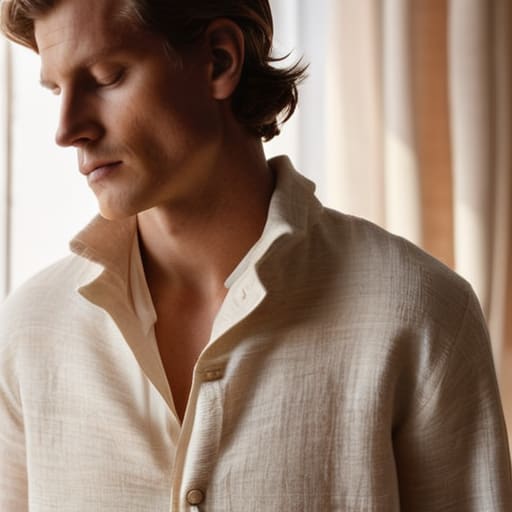
The mistake most people make when the seasons shift is thinking they need a brand-new identity. You see a TikTok about “Autumn Aesthetics” and suddenly you’re convinced your summer linen is trash and your winter wools are obsolete. It’s a lie designed to keep you clicking ‘add to cart.’ Real wardrobe rotation tips aren’t about buying newness; they are about understanding how to bridge the gap between what you already own. If you have a heavy cotton chino that feels too stiff for July but too thin for January, you don’t toss it—you change how it sits on your frame.
Instead of a shopping spree, focus on capsule wardrobe transitions by looking at your fabric weights. I want you to look at your closet and identify the “middle-ground” pieces—the mid-weight silks, the breathable knits, and the structured cottons. These are your workhorses. When the temperature dips, don’t reach for a cheap, bulky puffer that ruins your silhouette; use layering techniques to add warmth without losing the shape of your clothes. If the fit is right, a single well-made wool blazer can carry you through three different seasons just by changing the base layer underneath.
Fabric Choices for Summer and Winter Why Your Clothes Fail
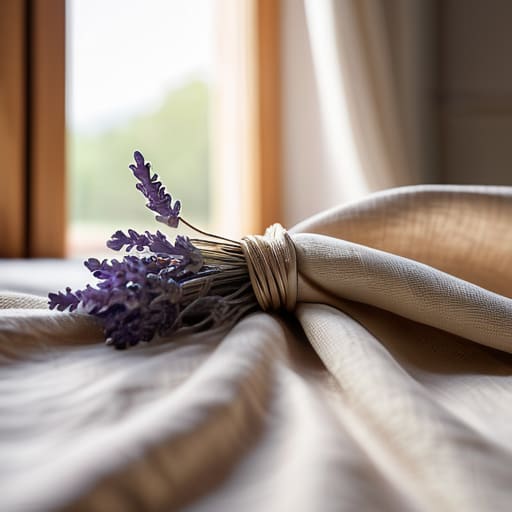
The reason your summer linen looks like a crumpled paper bag by noon, or your winter wool feels like a heavy, itchy blanket, usually comes down to a misunderstanding of fiber density. Most people shop for a “look” rather than a breathability rating. If you’re buying high-percentage polyester blends for summer, you aren’t dressing for the heat; you’re essentially wearing a plastic bag. You need to look for natural, breathable fibers like linen, hemp, or lightweight cotton. These aren’t just aesthetic choices; they dictate how the garment manages moisture and heat.
When the temperature drops, the mistake is often the same: buying heavy, cheap synthetics that trap sweat but don’t actually insulate. If you want to master layering techniques for different climates, you have to understand weight. A thin, high-quality merino wool base layer will do more for your warmth than a bulky, acrylic sweater that loses its shape after three washes. When considering fabric choices for summer and winter, look at the weave. A tight, dense weave holds heat in January, while an open, airy weave lets the breeze through in July. Stop buying “seasonal” trends and start buying structural integrity.
Layering Techniques for Different Climates Mastering the Silhouette
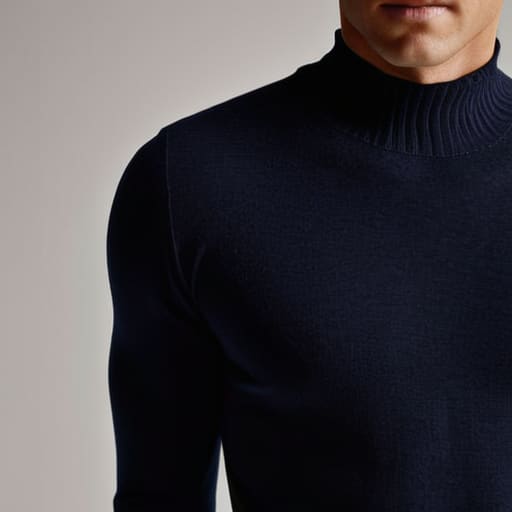
Most people treat layering like they’re playing dress-up with whatever is on top of the pile, but if you don’t respect the architecture of your clothes, you just end up looking like a lumpy marshmallow. The secret to mastering layering techniques for different climates isn’t about adding more clothes; it’s about managing volume and weight. Start with your base layer—ideally a fine-gauge knit or a high-quality cotton jersey that sits close to the skin without bunching. If your base layer is too thick, your silhouette is dead before you even reach for a jacket. I always tell my clients: if the seam of your undershirt is fighting the seam of your sweater, nothing is going to hang right.
When you move into transitional weather, think about the “sandwich method” for your silhouette. You want a slim base, a textured mid-layer, and a structured outer shell. This is where your capsule wardrobe transitions actually become visible. A lightweight merino wool layer under a structured denim jacket provides warmth without the bulk of a puffer. Just remember, if you’re layering a heavy wool coat over a thick chunky knit, check your shoulder seams. If they’re pulling toward your ears, you haven’t layered; you’ve just created a tension problem that no amount of styling can hide.
Capsule Wardrobe Transitions Making Your Current Pieces Work Harder
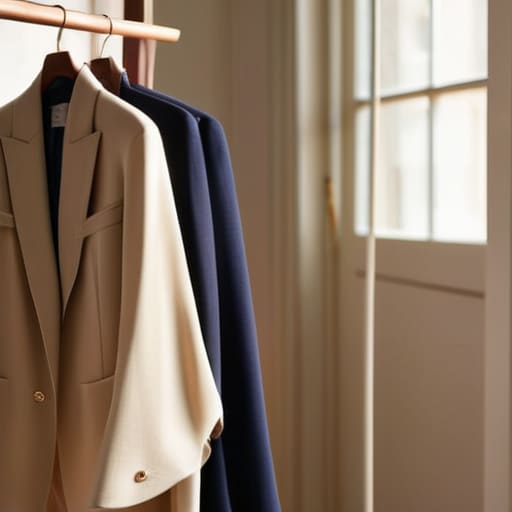
The mistake most people make during seasonal shifts is thinking they need a “new” wardrobe. You don’t. You just need to stop treating your clothes like they belong to a specific month of the year. Real capsule wardrobe transitions aren’t about buying a new linen set because it’s June; they are about understanding how your heavy wool trousers can play nice with a lightweight silk blouse when the temperature is doing that annoying mid-season dance. It’s about the math of your closet—calculating how many ways one sturdy blazer can serve you in both April and October.
If you find yourself staring at a pile of “out of season” clothes, you’re likely struggling with organizing seasonal clothing by category rather than by utility. Instead of boxing everything away, try grouping by weight. Keep your mid-weight cottons and light knits in the front, and use your heavier items as structural anchors for layering. If a dress feels too “summery” for a sudden chill, don’t abandon it; add a structured knit or a heavier-weight undershirt. The goal is versatility, not a perfectly color-coded storage bin that you’ll never open again.
Organizing Seasonal Clothing the Logic Behind Efficient Wardrobe Rotation T
Look, the biggest mistake people make when organizing seasonal clothing isn’t where they put the stuff; it’s how they treat the items they’re putting away. If you shove a heavy wool blazer into a plastic bin with your summer linen tops, you’re asking for a disaster. Linen needs to breathe, and wool needs space to avoid being crushed into a permanent, wrinkled mess that no amount of steaming will ever truly fix. I always tell my clients: treat your off-season clothes like they’re currently in storage for a client. Use breathable cotton garment bags, not those airtight plastic ones that trap moisture and invite moth larvae to a feast.
The real logic behind efficient wardrobe rotation tips isn’t just about clearing space; it’s about mental load. If you have to dig through a mountain of polyester blends to find your weather-appropriate fashion essentials, you’ve already lost the battle. I recommend a “staging area” approach. As the temperature shifts, pull out your heavy knits a week early to check for pilling or loose seams. It’s much cheaper to pay a tailor £15 to fix a snag now than to realize in November that your favorite winter jumper is unwearable.
The "Real World" Checklist: 5 Ways to Stop Fighting Your Wardrobe
- Check your seam allowances before you pack away summer gear. If you’re storing linen trousers for six months, make sure they aren’t packed so tight they develop permanent creases that no amount of steaming will ever lift. A little breathing room in the storage bin saves you a headache in June.
- Stop treating “transitional” pieces like they’re disposable. If you buy a lightweight trench just for those three weeks of autumn, you’ve wasted money. Look for a mid-weight cotton drill that has enough structure to handle a breeze but isn’t so heavy it feels like wearing a duvet in a heatwave.
- The “Shoulder Test” for winter coats. Before you commit to a heavy seasonal layer, check the shoulder seam. If the seam is drooping because the fabric is too heavy or the cut is too loose, you’ll look swallowed by the garment. A tailor can nip a waist, but they can’t easily fix a poorly constructed shoulder, so get that right first.
- Audit your knitwear for pilling before you rotate. Don’t just shove everything into a vacuum bag. If your wool jumpers are covered in fuzz, spend twenty minutes with a fabric shaver now. If you store them looking like they’ve been through a blender, they’ll stay that way, and you’ll end up thinking they’re “done” when they just need a bit of TLC.
- Calculate the “Cost-per-Wear” of your seasonal staples. If that “investment” wool scarf costs £80 but you only wear it on the ten coldest days of the year, you’re paying £8 per wear. Compare that to a £20 scarf you can wear all autumn and spring. Do the maths before you tap your card; the math doesn’t care about the brand name.
The Seasonal Myth
“Stop treating every change in temperature like a permission slip to go shopping; seasonal dressing isn’t about buying a new wardrobe every three months, it’s about knowing which heavy wools can survive a wash and which lightweight linens are actually worth the effort of a seasonal rotation.”
Neve Okonkwo-Barr
The Bottom Line
At the end of the day, seasonal dressing isn’t about having a massive closet that changes every time the leaves turn; it’s about understanding the mechanics of what you already own. We’ve covered why you need to stop chasing micro-trends and start looking at fabric weights, why a well-placed hem or a taken-in waist can make a summer dress work for autumn, and how to rotate your pieces so nothing sits gathering dust for six months. Remember, if a garment doesn’t survive the transition because the fabric is too flimsy or the cut is too rigid, it’s not a wardrobe failure—it’s just a bad purchase. Focus on the construction, respect the seams, and stop letting marketing convince you that a new season requires a new identity.
My final piece of advice is this: stop looking at your wardrobe as a collection of items and start seeing it as a toolbox for your life. A good coat shouldn’t just look expensive; it should actually keep you warm without swallowing your silhouette, and a great pair of trousers should be worth the twenty quid it costs to get them tailored perfectly to your ankles. You don’t need more clothes to feel prepared for a change in weather; you just need clothes that actually work when the temperature drops. Go through your hangers, find what’s worth keeping, and make it fit. Everything else is just noise.
Frequently Asked Questions
I found a great wool coat at a charity shop, but the sleeves are two inches too long—is it worth paying a tailor to shorten them, or will it ruin the proportions?
Two inches is a massive difference, but it’s usually fixable. If the coat has a clean cuff and enough seam allowance inside, a tailor can shorten them for about £15–£25. It won’t ruin the proportions unless the sleeves are so long they’re swallowing your hands entirely. Check the weight of the wool first; if it’s high-quality, pay the money. A well-fitted thrifted coat beats a poorly-fitted “investment” piece every single time.
How can I tell if a "seasonal" knit is actually made of decent wool, or if it's just going to pill and lose its shape after three wears?
Stop looking at the “softness” in the store; that’s usually just a chemical coating masking cheap, short-staple fibers. Grab the knit and give it a gentle tug. If it snaps back immediately, it has good memory. If it stays saggy, run. Also, check the tag—if it’s “wool blend” but the wool percentage is under 50%, you’re mostly buying acrylic that will pill by Tuesday. Real wool feels slightly scratchy until it’s washed; if it’s suspiciously silky, it’s a lie.
If I’m transitioning my summer wardrobe into autumn, which specific items are actually worth keeping in rotation and which ones are just taking up space?
Keep the heavy-weight cotton tees and linen trousers—they work under a chunky knit or a structured blazer once the wind picks up. If it’s a flimsy, sheer polyester slip dress, it’s likely just taking up space unless you can layer it over a turtleneck. Keep your sturdy leather sandals for transitional days, but ditch the thin summer knits that lose their shape after one wash. If it can’t handle a layer, it’s dead weight.
