Stop letting fashion influencers convince you that seasonal transitions require a complete wardrobe overhaul or a trip to a high-end department store. Most of the “capsule wardrobe” advice you see online is just a polished way of telling you to buy more things you don’t actually need. If you’re currently staring at a closet full of heavy wools while sweating in a linen shirt, you don’t need a shopping spree; you need to master how to rotate seasonal clothing without ruining the very fabrics you worked so hard to afford. I’ve spent too many years in basement studios seeing beautiful silk blouses ruined by improper storage just because someone thought a plastic vacuum bag was a “smart” idea.
I’m not here to sell you a new aesthetic or a lifestyle brand. Instead, I’m going to show you the actual mechanics of wardrobe management—from the specific way you should hang a heavy knit to avoid shoulder bumps, to the exact type of breathable containers that keep your summer linens from smelling like a damp basement. We are going to look at the math of your closet, focusing on fabric longevity and practical storage so your clothes actually last through the years, not just the trends.
Understanding How to Rotate Seasonal Clothing
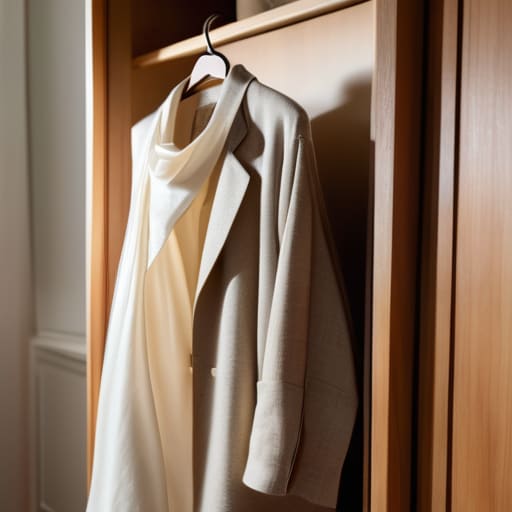
Before you start moving things around, you need to realize that rotating your wardrobe isn’t just about making space for sweaters; it’s about preventing expensive mistakes. I’ve seen too many people shove their delicate silk blouses or heavy wool coats into a dark corner of the closet, only to pull them out six months later with mysterious stains or, worse, holes. You aren’t just moving fabric; you are managing a lifecycle.
The first step is a brutal audit. This is where most people fail because they treat it like a tidy-up rather than a strategic reset. I treat it as part of my decluttering wardrobe essentials process. If you haven’t worn that polyester blend in two years, it’s not “waiting for its moment”—it’s just taking up space that your better-fitting pieces deserve.
Once you’ve cleared the dead weight, think about the physics of storage. If you’re using vacuum seal storage bags, be careful: they are great for saving space, but they can absolutely crush the fibers of a structured blazer or a high-quality knit, leaving them looking limp and lifeless. If you want your clothes to actually survive the cycle, store them where they can breathe, and always prioritize protecting fabrics from moths with cedar or lavender rather than just hoping for the best.
Key Things to Know
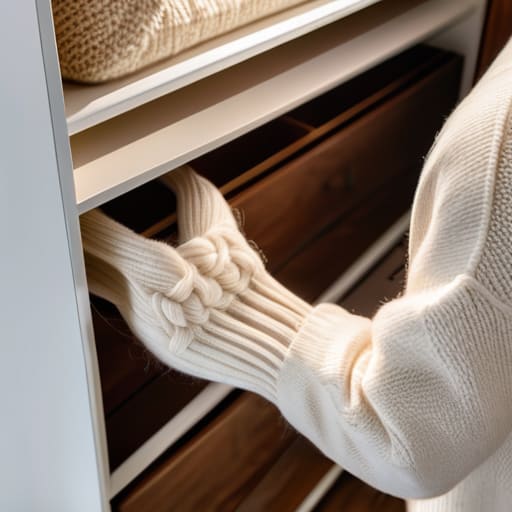
First, let’s talk about the physical reality of your clothes. You cannot just shove everything into the back of a crowded rail and hope for the best. If you want to master a seasonal wardrobe transition, you have to respect the fiber. Natural fibers like wool and silk are basically a buffet for pests, so protecting fabrics from moths isn’t just a suggestion—it’s a necessity. I’ve seen too many beautiful, vintage-weight knits ruined because someone thought a cardboard box was enough protection. Use breathable cotton garment bags instead; they keep the dust off without suffocating the weave.
Second, be wary of the “space-saving” trap. I know, vacuum seal storage bags look like a miracle for shrinking your bulky winter puffer jackets down to the size of a pancake, but they are actually a nightmare for certain textiles. If you crush a structured wool coat or a delicate silk blouse in a vacuum bag for six months, you are essentially asking for permanent creasing or fiber damage. If you’re looking for actual clothing care and maintenance, think about volume versus compression. Some things need to be squished; others need to breathe if they’re ever going to look decent on a Wednesday morning.
Practical Tips and Steps
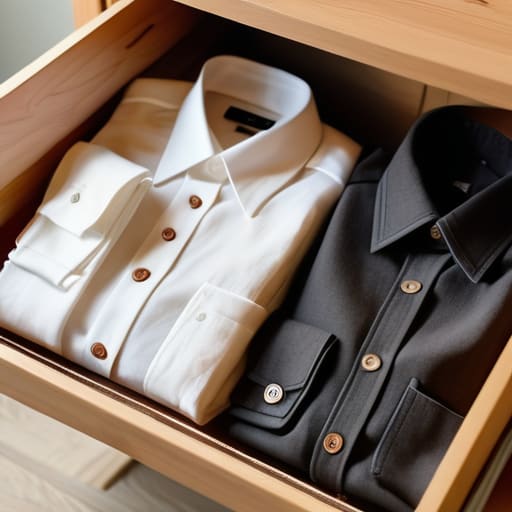
First, stop treating your wardrobe like a junk drawer. Before you even think about moving things around, you need to do some serious decluttering of wardrobe essentials. If you haven’t worn that polyester blend blazer in two years, or if the seam is fraying so badly that a tailor would charge more than the garment is worth, let it go. Once you’ve narrowed it down to what actually works, clean everything. I’m serious—wash your summer linens and dry-clean your heavy wools before they go into storage. If you store sweat or skin oils, you’re basically inviting stains to set permanently while they sit in the dark.
When it comes to the actual storage, please be careful with those vacuum seal storage bags. They are great for saving space, but they are a nightmare for natural fibers like wool or silk because they crush the loft and starve the fabric of air. If you must use them, only use them for things like puffer jackets or synthetic knits. For your good knits and wools, use breathable cotton garment bags instead. This is the most effective way of protecting fabrics from moths and moisture without ruining the shape of the garment.
Common Mistakes to Avoid
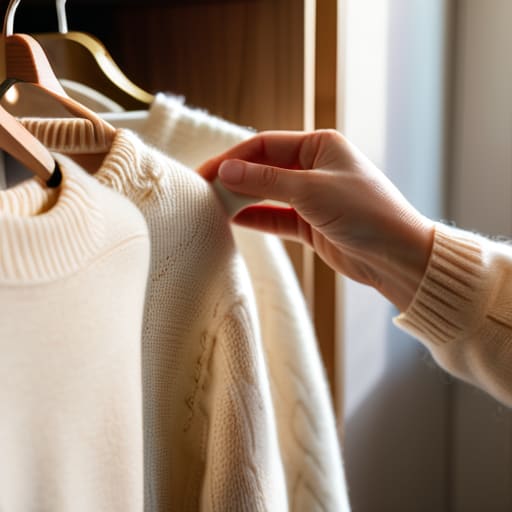
The biggest mistake I see—and I see it every time I’m called in to fix a wardrobe—is the “out of sight, out of mind” approach. People think that if they shove their heavy wools into a dark corner, they’re safe. They aren’t. If you aren’t careful with protecting fabrics from moths, you’ll pull out your favorite cashmere sweater in October only to find it looks like a piece of Swiss cheese. Don’t just toss things in a heap; if you don’t clean them first, those invisible skin oils and tiny food spills become permanent stains by next year.
Another trap is over-relying on vacuum seal storage bags for everything. Look, they are great for saving space with your puffer jackets or bulky duvets, but they are the enemy of natural fibers. If you compress a delicate silk blouse or a structured linen blazer into a plastic vacuum bag, you are essentially asking for permanent, unfixable creases. You’ll end up spending more on a professional steamer than the garment was worth. Treat your clothes like they have a pulse, not like they’re camping gear.
Final Thoughts
Look, at the end of the day, rotating your wardrobe isn’t about achieving some Pinterest-perfect aesthetic or having a color-coded museum in your bedroom. It’s about respect—respect for the money you spent on that wool coat and the time you spent finding the perfect pair of trousers. If you treat your clothes like disposable props, they’ll act like it. But if you prioritize clothing care and maintenance during these transitions, you’re essentially buying yourself more time before you actually have to go out and spend money again.
Don’t get caught up in the hype of buying expensive storage systems you don’t need. Most of the time, a clean, dry space and a bit of mindfulness are your best tools. While vacuum seal storage bags are great for bulky duvets, be careful using them for anything with structure, like a tailored blazer, or you’ll end up with permanent creases that even a professional steamer can’t quite iron out. Just take it one season at a time. Treat your clothes well, and they’ll actually show up for you when you need them most.
Five ways to stop your wardrobe from becoming a graveyard
- Check your seams before they go into storage. If you’ve got a heavy wool coat that’s been sitting in the back of the closet, don’t just shove it in a bag; check the armpits and the hem for any loose threads or fraying. It’s much cheaper to pay a tailor £15 to reinforce a seam now than to pay £80 for a full repair when you pull it out in October and the whole thing splits.
- Ditch the plastic bins for breathable fabric. I see people all the time buying these airtight plastic tubs to “protect” their clothes, but you’re basically just creating a greenhouse for moisture. If you’re storing summer linens or silks, use cotton garment bags or even old pillowcases. Fabrics need to breathe, or you’ll be dealing with that weird, stale smell that no amount of Febreze can fix.
- Be ruthless with the “maybe” pile. When you’re pulling things out for the new season, ask yourself if the fit actually works or if you’re just holding onto it because it was expensive. If you have a dress that’s been sitting there for two years and you haven’t touched it, it’s not an “investment”—it’s just clutter. Donate it or sell it so you can actually afford the alterations on the pieces you actually love.
- Clean everything, even if it looks fine. I know, it feels like a waste of time, but skin oils and tiny spills are what actually eat through fabric over six months. If you store a sweater with a microscopic tea stain on it, that stain is going to be a permanent part of the fibers by next spring. Wash it, dry it properly, and then store it.
- Don’t hang the heavy stuff. If you’re rotating your heavy knits, stop hanging them on wire hangers. Gravity is a nightmare for knitwear; it’ll stretch the shoulders out until they look like two weird lumps, and no amount of steaming will ever fix that shape again. Fold them, stack them, and give them space so they don’t get crushed.
The real cost of a seasonal swap
Stop treating your wardrobe like a revolving door of newness. Rotating your clothes isn’t about buying a ‘new’ seasonal capsule; it’s about giving your heavy wools and delicate linens the space to breathe so they don’t end up smelling like a damp basement or losing their shape by next year. If you invest more in how you store your clothes than you do in the clothes themselves, you’ll actually get to keep them.
Neve Okonkwo-Barr
The Bottom Line
At the end of the day, rotating your wardrobe isn’t about some aesthetic, Pinterest-perfect organization system; it’s about protecting your assets. If you’ve spent hard-earned money on a heavy wool coat or a delicate silk slip dress, the last thing you want is to find them at the bottom of a bin, crushed and smelling like damp basement. Remember: check your seams before you pack them away, use breathable storage instead of those airtight plastic bags that suffocate natural fibers, and always, always treat your seasonal transition like a maintenance check for your clothes. If a button is loose or a hem is dragging, fix it now. It’s much cheaper to pay a tailor ten quid for a quick stitch today than to try and salvage a ruined garment six months from now.
Stop looking at your closet as a revolving door of “out with the old, in with the new.” Every time you feel that itch to buy a seasonal “must-have,” I want you to pause and look at what you already own. Most of the time, you don’t need a new wardrobe; you just need to reintroduce the pieces you’ve forgotten about. Building a wardrobe that lasts is a slow game, and it’s one where you actually win by buying less and caring more. Treat your clothes like they have value—because they do—and they’ll keep looking like they were made specifically for you, no matter what day of the week it is.
Frequently Asked Questions
I found a beautiful vintage wool coat at a charity shop, but it smells slightly musty—is it safe to store it with my clean winter gear?
Absolutely not. Do not put that near your clean knits. That musty smell is usually mold spores or mildew, and if you tuck it into your wardrobe, those spores will migrate to your expensive cashmere faster than you can say “vintage find.” Treat that coat like a biohazard for now. Give it a professional dry clean or a careful steam, and check the lining for any actual dampness before it touches your good gear.
How do I know if a fabric is actually too delicate to be shoved into a storage bin, or if I'm just being overly cautious?
Look at the weave and do the “scrunch test.” If it’s a high-twist wool or a heavy cotton, it can handle a bin. But if you’re holding silk, fine linen, or anything with delicate beadwork, stop. Those fibers hate being crushed; they’ll crease so deeply the memory of the fold becomes permanent. If the fabric feels thin or has a “slippery” hand, it needs a breathable garment bag or a padded box, not a plastic tub.
If I have a piece that’s a bit too tight from last year, is it worth paying a tailor to let it out before I pack it away, or should I just accept it won't fit anymore?
Look at the seams first. If there’s a seam allowance of at least an inch, take it to a tailor now. It’ll cost you maybe £20–£30 to let it out, which is way cheaper than replacing a good wool blazer. But if it’s a synthetic blend with no extra fabric inside? Don’t waste your money. If you can’t fix the fit with thread, just pack it away and stop punishing yourself.
