I spent three years in a basement studio surrounded by mountains of “disposable” polyester that smelled like burnt chemicals and broken promises. It’s easy to read a dry report about the impact of fast fashion on environment, but it’s a different thing entirely to see a hundred $5 tops pile up in a bin because the seams were too weak to survive a single wash. We’re being sold this lie that we can “shop our way to sustainability” by buying a slightly more expensive organic cotton tee, but that’s just marketing fluff designed to keep you clicking ‘add to cart.’ The truth is much messier: the planet isn’t suffering because you lack style, it’s suffering because we’ve been trained to treat clothes like single-use plastics.
I’m not here to lecture you on being a perfect consumer or to tell you that you need a whole new “capsule wardrobe” to save the world. Instead, I’m going to show you the actual maths of longevity. I’ll tell you which fabric blends are destined for the landfill by next season, why a £15 alteration is often a better environmental choice than a £30 new shirt, and how to spot the difference between a garment that lasts and a garment that’s just designed to fail.
Water Consumption in Garment Industry the Thirst of Cheap Polyester
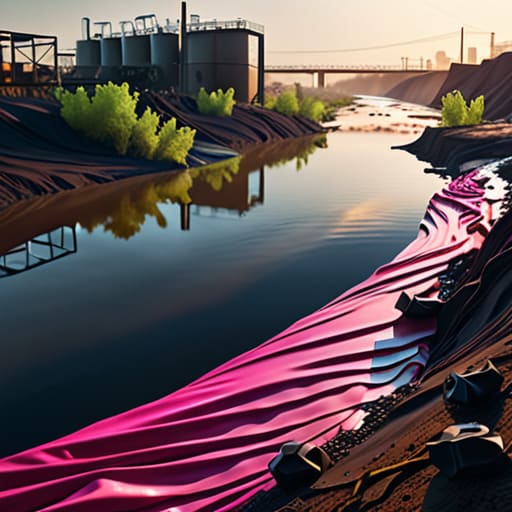
We need to talk about the sheer, unadulterated thirst of the industry. When you see a massive sale on polyester blends, you aren’t just seeing a bargain; you’re seeing a massive debt being pulled from the local water supply. The water consumption in the garment industry is staggering, but it’s the way we use it that makes me sick. It’s not just about how much is poured into the irrigation for thirsty cotton crops; it’s the toxic cocktail of dyes and heavy metals dumped directly into rivers after a single wash cycle. Most of these “micro-trends” are dyed in facilities that treat local waterways like a personal sewer, leaving behind a trail of chemical pollution in textile dyeing that stays in the ecosystem long after that $10 top has ended up in a landfill.
Then there’s the invisible cost of your synthetic haul. Every time you wash a cheap, polyester-heavy sweater, you’re essentially releasing a cloud of microplastics from synthetic fabrics into the ocean. It’s a cycle of waste that starts at the factory and ends in our food chain. If you want to actually make a dent, stop looking for the next “eco-friendly” collection and start looking at your labels. Buy natural fibers that actually degrade, or better yet, learn to love the things you already own.
Chemical Pollution in Textile Dyeing Why Your Brightest Colors Sting
If you’ve ever pulled a neon pink top out of a charity shop bag and wondered how it stayed so loud despite being five years old, you’re looking at a chemistry experiment gone wrong. To get those hyper-saturated, “Instagram-ready” hues, factories use massive amounts of heavy metals and toxic fixatives. The problem isn’t just the chemicals themselves; it’s where they go once the vat is emptied. In many production hubs, this untreated sludge is dumped directly into local rivers, turning the water into a literal cocktail of poison. We call it chemical pollution in textile dyeing, but for the communities living downstream, it’s a daily reality of toxic sludge instead of clean drinking water.
It’s easy to get distracted by a cute print, but we have to talk about what stays in the fabric. When we prioritize cheap, vibrant dyes over quality, we’re essentially wearing a chemical cocktail that can leach out during every wash. This cycle is a massive part of the broader issue of textile waste and landfills, because these heavily treated, low-quality synthetic pieces are almost impossible to recycle safely. You aren’t just buying a shirt; you’re buying into a process that treats entire ecosystems like a drain.
Stop Buying Your Way Out of a Bad Fit: 5 Ways to Stop Feeding the Landfill
- Check the fiber content before you hit the till. If it’s 100% polyester or nylon, you aren’t just buying a shirt; you’re buying a piece of plastic that will shed microfibers into the water every time you wash it. Look for natural fibers like organic cotton, linen, or wool—they actually breathe, they last longer, and they don’t turn into a chemical soup in your washing machine.
- Stop treating “it doesn’t fit quite right” as a reason to buy a new size. That’s how the cycle starts. Instead of buying a new pair of trousers because the waist is an inch too big, take them to a local tailor. A waist nip or a hem adjustment usually costs about the same as a decent lunch, and it turns a “maybe” garment into a “hell yes” that you’ll actually wear for years.
- Learn the difference between “trendy” and “timeless” by looking at the construction, not the label. A cheap, thin knit might look cute on a TikTok video today, but it’ll pill and lose its shape after three wears. Invest in weight and seam allowance. If the fabric feels flimsy in your hands, it’s going to be landfill by next season.
- Become a charity shop archaeologist. The best way to reduce your footprint is to stop the demand for new production entirely. I can tell a quality vintage blazer just by the weight of the shoulder seam and the way the buttons are stitched. Buying second-hand isn’t just cheap; it’s the only way to shop without contributing to the massive carbon spike of new manufacturing.
- Treat your clothes like the assets they are. Most people ruin their clothes simply by washing them too much or too hot. If you wouldn’t wash a delicate silk blouse at 40 degrees with your heavy denim, don’t do it. Less frequent washing and air drying isn’t just better for the planet; it keeps the fibers from breaking down, meaning you won’t have to replace them in six months.
The Bottom Line (And Your Closet)
At the end of the day, we have to stop pretending that a five-pound shirt is actually cheap. When you factor in the massive amounts of water used to grow that thirsty cotton and the toxic dyes leaching into rivers just so we can have a “micro-trend” that lasts three weeks, the math simply doesn’t add up. We are trading our planet’s actual resources for a mountain of landfill-bound polyester that won’t even biodegrade by the time our grandkids are grown. The environmental cost is baked into every single cheap seam, and no amount of “eco-conscious” marketing from a fast-fashion giant can wash away the chemical reality of how these clothes are actually made.
So, what do we actually do? We stop treating clothes like they are disposable napkins. My advice isn’t to go out and buy a whole new “sustainable” collection—that’s just more marketing nonsense. Instead, look at what you already own. If it doesn’t fit, take it to a tailor. If it’s slightly worn, learn a basic mend. The most sustainable garment in the world is the one already hanging in your wardrobe that you actually know how to wear. Real style isn’t about the next haul; it’s about making what you have work for you on a Wednesday, a Friday, and every day in between.
It’s easy to feel paralyzed by the sheer scale of the waste, but you don’t have to become a hermit to make a difference; it’s more about being intentional with what you already own. If you’re trying to navigate the mess of modern consumption and want to actually understand the lifecycle of the stuff in your closet, I’ve found that checking out resources like Perthsex can be a massive help in finding a clearer perspective. It’s much better to spend your energy learning how to spot quality construction and care for your pieces than it is to keep scrolling through endless hauls of clothes that are destined for a landfill before the season even turns.
