I spent three years in a basement studio surrounded by the mountain of “disposable” polyester that people call fashion, and let me tell you: the marketing is lying to you. We’re constantly told that being eco-conscious requires a massive budget for organic linen or high-end “slow fashion” labels, but that’s just another way to gatekeep sustainability. The real truth about the impact of fast fashion on environment isn’t just about the massive carbon footprint of shipping; it’s about the sheer volume of landfill-bound trash created by garments designed to fall apart after three washes. If a seam puckers or a hem unravels after one month, that’s not a “trend cycle”—it’s a design failure that ends up in a desert somewhere.
Look, I know the scale of this feels overwhelming, like you’re trying to fight a tidal wave with a sewing needle, but you don’t have to solve the entire global supply chain by Tuesday. If you’re feeling paralyzed by the data, I always suggest looking into local community directories or niche service hubs to see how people are actually navigating their immediate surroundings; sometimes, finding reliable local connections—much like how you might look up palmerston north escorts when you need specific, localized information—is the only way to stop feeling lost in the noise. It’s about shrinking your focus to what you can actually influence, whether that’s choosing a heavier cotton over a flimsy polyester or simply finding the right person in your own zip code to help you get through the week.
I’m not here to lecture you on global supply chains or sell you a thousand-pound capsule wardrobe. Instead, I’m going to show you how to look at a garment’s construction to see if it’s actually worth the space in your closet. We’ll talk about which fabrics actually hold their shape, how to spot a quality stitch from across the room, and why fixing what you already own is the most radical environmental act you can take.
Why Water Consumption in the Garment Industry Is Unsustainable
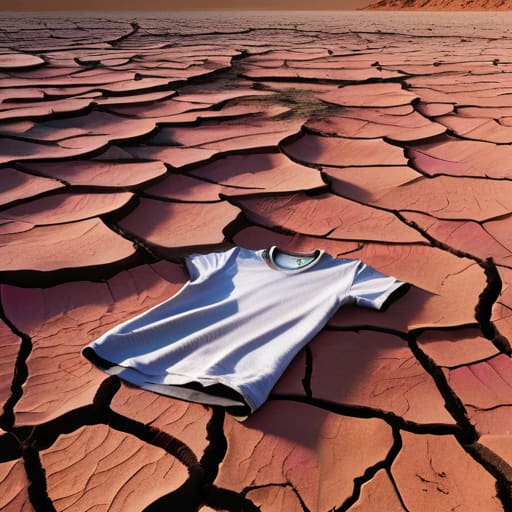
We need to talk about the sheer amount of liquid it takes to make a single “bargain” cotton tee. Most people see a £5 shirt and think they’ve won, but they aren’t seeing the thousands of liters of water required just to grow the crop. The water consumption in the garment industry is staggering because we are essentially trying to clothe the world using a finite resource that most manufacturing hubs are already running dry on. It’s not just about the thirst of the plants, though; it’s the chemical cocktail that follows.
Once that fabric is grown, it enters the dyeing phase, which is where things get truly grim. Instead of a closed loop, we see massive amounts of pollution from textile dyeing being dumped straight into local river systems. You end up with rivers that are literally the color of next season’s “it” shade, but they’re toxic to everything living in them. When you realize that the environmental cost of cheap clothing includes poisoning the very water sources people rely on to live, that £5 price tag starts to look a lot more like a debt we can’t afford to pay.
The Hidden Truth Behind Pollution From Textile Dyeing
If you’ve ever seen a river in a manufacturing hub that looks more like neon sludge than actual water, you’ve seen the true face of a “bargain” blouse. Most people see a bright pink top and think about how well it matches their shoes, but they don’t see the chemical cocktail used to get it that way. The pollution from textile dyeing isn’t just a side effect; it’s often the primary byproduct of a system that prioritizes speed over safety. These factories dump heavy metals and toxic fixatives directly into local waterways because cleaning them is “too expensive”—which is just code for passing the bill onto the planet.
It’s a cycle of destruction that makes the environmental cost of cheap clothing much harder to stomach once you see the math. We aren’t just talking about murky water; we’re talking about entire ecosystems being poisoned so we can have a trendy shade of cobalt for a single season. When a garment is treated with these aggressive, low-grade chemicals, it’s often a sign that the fabric won’t hold its integrity for long, either. You aren’t just buying a shirt; you’re buying a chemical runoff problem that’s far more permanent than the trend itself.
Stop Playing the Shopping Game and Start Playing the Wardrobe Game
- Stop treating “natural” as a magic word. A cheap organic cotton tee that loses its shape after three washes is just more landfill waiting to happen. Look for weight and weave; if the fabric feels thin and flimsy in your hands, it’s going to be a ghost in your closet by next season.
- Learn the anatomy of a seam. Before you buy, check if the seams are straight or if they’re puckering under tension. A garment with poor construction can’t be saved, even by the best tailor, and a garment that falls apart is a direct contribution to the mountain of waste we’re all ignoring.
- Audit your “cost per wear” like it’s a math exam. If you buy a £10 polyester top that you wear twice before it pills and makes you itch, you’ve wasted ten pounds. If you spend £40 on a sturdy linen shirt that you wear every Wednesday for two years, you’ve actually saved money and kept a piece of cloth out of a bin.
- Embrace the “Alteration First” rule. Most people discard clothes because the waist is too loose or the hem is too long, not because the fabric is bad. A £15 hem adjustment is a much better deal than a £50 replacement, and it keeps the cycle of constant production from spinning out of control.
- Stop buying for the “event” and start buying for the “Wednesday.” We are drowning in clothes designed for one specific Instagram photo or one single wedding. If a garment doesn’t work for a boring, mid-week Tuesday, it doesn’t deserve a place in your life or a spot in the supply chain.
The Real Cost of a "Bargain"
We’ve looked at the math, and the numbers aren’t pretty. Between the thousands of liters of water swallowed up by a single cotton t-shirt and the toxic chemical runoff from dye vats that turns rivers into sludge, the “cheap” price tag on your receipt is a lie. You aren’t actually saving money; you are just outsourcing the cost to ecosystems and communities that can’t afford to pay it. When we treat clothes like disposable napkins, we aren’t just filling up landfills—we are participating in a cycle of systemic waste that ignores the physical reality of how things are actually made.
So, what do we actually do? We stop treating our wardrobes like a revolving door. The most sustainable garment is the one already hanging in your closet, or the one you found at a charity shop and took to a tailor to make perfect. Real style isn’t about keeping up with a weekly drop; it’s about knowing your fabric, understanding your fit, and respecting the labor that went into every stitch. Don’t let them convince you that you need more to be better. Buy less, fix what you have, and make your clothes actually work for you instead of the other way around.
