I spent two years in a basement studio pinning hems for a bridal shop, and if there is one thing those stiff, polyester-blend blazers taught me, it’s that the industry is lying to you. Every “expert” on your feed is currently trying to sell you a solution to a problem that doesn’t exist, claiming that because how workwear expectations changed, you need to go out and buy a whole new capsule wardrobe of “elevated basics.” They want you to think that the shift from rigid suits to “business casual” means you need a credit card with a massive limit just to look like you belong in a meeting. It’s total nonsense. Most of the time, the “new” professional look isn’t about what you buy; it’s about how your existing clothes actually sit on your shoulders.
I’m not here to pitch you a shopping list or some overpriced “investment” pieces that will pill after three washes. Instead, I’m going to show you the actual maths of a modern wardrobe. We’re going to talk about which fabrics can actually survive a daily commute, why a $15 hem adjustment is more effective than a $200 shirt, and how to navigate how workwear expectations changed without bankrupting yourself in the process.
The Great Unraveling How Workwear Expectations Changed Forever

We used to have these rigid, unspoken rules that felt more like a costume than a wardrobe. You either wore the stiff, polyester-blend suit that felt like a cage, or you were “underdressed.” But the casualization of the office didn’t just happen because we got lazy; it happened because the wall between our living rooms and our desks collapsed. When you’re staring at a laptop in your kitchen, the last thing you want to do is fight a high-waisted trouser that refuses to sit right above your hips.
The real shift wasn’t just about swapping blazers for knitwear; it was about the impact of hybrid work on clothing standards. We moved from “looking the part” to “feeling capable,” which sounds lovely until you realize most brands took that as an excuse to sell you flimsy, single-use fast fashion. We’ve traded structured silhouettes for a blurry middle ground of business casual vs smart casual that often leaves people feeling neither professional nor comfortable. Now, the goal isn’t to perform a role through a suit—it’s about finding pieces that actually have the structural integrity to survive a commute and a ten-hour day.
Beyond the Suit Navigating the Casualization of the Office

The problem with the “casualization of the office” isn’t that we’re wearing hoodies; it’s that the lines between business casual vs smart casual have become so blurry that most people just default to looking unkempt. We’ve moved away from the rigid armor of the power suit, but that doesn’t mean we should abandon structure entirely. When the hybrid work model became the norm, the goal shifted from “looking like a boss” to “looking like a person who is actually awake and ready to contribute.”
The real issue I see in my studio is that people mistake comfort for a lack of intention. You can wear a knit polo and chinos and still look sharp, but only if the seams actually hit where they’re supposed to. The modern workplace fashion shifts have given us permission to breathe, but they haven’t given us permission to ignore fit. If you’re wearing a sweater that’s lost its shape or trousers that sag because the waist was too big, you aren’t “casual”—you’re just poorly dressed. You don’t need a new wardrobe for this shift; you just need to make sure your existing pieces don’t look like they’ve given up.
Decoding the Chaos of Business Casual vs Smart Casual
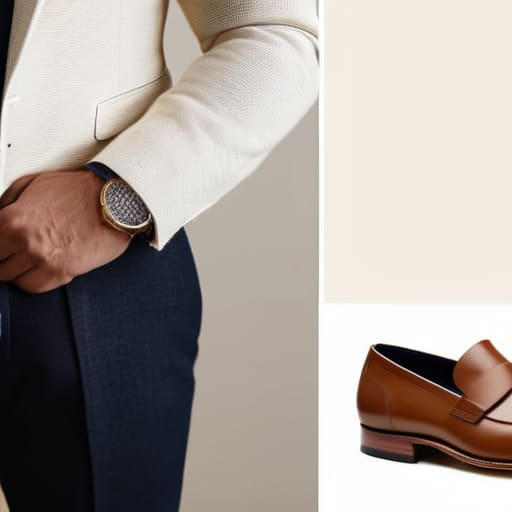
Here is the problem: “Business casual” has become a linguistic trap that leaves everyone feeling slightly underdressed or aggressively overdressed. If you look at the current modern workplace fashion shifts, the lines aren’t just blurred; they’ve been completely erased. To me, the distinction is actually quite simple, even if HR won’t admit it. Business casual is about structure—think a blazer over a high-quality knit or trousers with a clean crease. It’s polished. Smart casual, on the other hand, is about intentionality. It’s where you take your favorite denim and pair it with something sharp, like a structured loafer or a crisp button-down, so you don’t look like you just rolled out of bed for a Zoom call.
The real mess comes from the impact of hybrid work on clothing. We’ve spent two years in sweatpants, and now we’re trying to pivot back to “professionalism” without losing our comfort. Don’t fall for the marketing trap that says you need a brand-new capsule collection to bridge this gap. Most of the time, you just need to understand the difference between a soft, unstructured jersey fabric and a heavy-weight cotton twill. One says “I’m lounging,” and the other says “I’m working.”
Remote Work Attire Trends Dressing for the Zoom Screen

Then came the era of the “waist-up wardrobe.” Suddenly, the impact of hybrid work on clothing became incredibly literal. We all entered this strange phase where we were wearing a structured blazer over a pair of pajama bottoms, hoping the camera wouldn’t catch the fraying elastic. It felt like a joke, but it actually highlighted a massive flaw in how we view professional identity. We started prioritizing texture and color that reads well through a grainy webcam over the actual drape or silhouette of a garment.
The problem is that once we returned to physical offices, many people realized their “Zoom clothes” don’t actually function in the real world. A sweater that looks soft and professional on a 720p video call might actually be a shapeless, pilling mess of cheap acrylic when you’re standing in a hallway. These remote work attire trends taught us that digital presence is a lie. If you want to survive the transition back to the desk, stop buying “camera-ready” tops and start looking at fabric composition. If it’s 100% polyester, it’s going to look shiny and cheap under office fluorescents, no matter how good it looks on a screen.
Hybrid Work Impact Building a Wardrobe That Actually Works
The problem with the hybrid model is that we’re trying to dress for two different lives at once, and it’s exhausting. On your home days, you’re leaning into the extreme comfort of the remote work attire trends—think joggers and oversized knits—but then Tuesday hits, and suddenly you have to face the office. Most people respond to this by buying a whole new “office capsule,” which is a massive waste of money. You don’t need a separate wardrobe for your commute; you need versatile pieces that can pivot.
Instead of chasing every new trend, focus on the impact of hybrid work on clothing by prioritizing “bridge” garments. I’m talking about high-quality trousers in a heavy crepe or a structured knit that doesn’t look like pajamas. If you buy a pair of mid-range wool trousers, spend the £15 to have the waist nipped in perfectly. That way, you can wear them with a sweatshirt for a coffee run or a blazer for a client meeting. The goal isn’t to have more clothes; it’s to have clothes that actually work on a Wednesday without requiring a mental breakdown in the changing room.
The Survival Guide: How to Dress for the Mess Without Buying a New Wardrobe
- Stop chasing the “new office uniform” and start looking at your fabric content. Since the lines between casual and professional have blurred, you need pieces that can handle a commute and a meeting. If it’s 100% polyester, it’s going to smell like a gym bag by 3 PM; look for wool blends or heavy cotton that actually breathe and hold their shape when you’re sitting at a desk for six hours.
- Learn the “One Sharp Piece” rule to bridge the gap between a hoodie and a blazer. If you’re wearing casual trousers or dark denim, don’t buy a whole new “business” outfit; just ensure your top layer has structure. A cheap blazer with a decent shoulder seam can make a basic T-shirt look intentional rather than lazy.
- Invest in your hemline, not a new brand name. Most people think they need a new pair of trousers because their old ones look “sloppy,” but usually, they’re just too long and bunching at the ankles. Taking a pair of chinos to a tailor to get a precise taper or a clean crop costs about the same as a fancy lunch and makes a £20 pair of pants look like they were made for you.
- Prioritize “structural integrity” over trends. With hybrid work, we aren’t dressing for a runway; we’re dressing for durability. Avoid the ultra-thin, trendy knits that pill after two washes. Look for a mid-weight knit that can be layered under a jacket—it’s more versatile and survives much longer in a rotation that sees both the sofa and the boardroom.
- Master the art of the “quick fix” kit. Since we’re moving between environments more than ever, your wardrobe needs to be resilient. Keep a lint roller and a small fabric shaver in your bag. A pilled sweater or a dusty blazer looks unprofessional regardless of how much it cost, and five minutes of maintenance is cheaper than a trip to the shops.
The Death of the Uniform
We used to have a cheat code for looking professional: just put on a suit and you were done. Now, that code is broken. The ‘rules’ have shifted from a rigid checklist of garments to a messy, confusing spectrum of vibes, and instead of buying a whole new wardrobe to keep up, you just need to learn which fabrics hold their shape and which seams actually need a quick fix to keep you looking intentional rather than just messy.
Neve Okonkwo-Barr
The Bottom Line: Stop Overthinking the Dress Code
Look, we’ve spent the last few months dissecting how the lines between “professional” and “comfortable” have blurred into a messy, confusing smudge. We’ve looked at why the rigid power suit is dying, why your Zoom background matters less than your neckline, and how the hybrid model has turned our closets into a chaotic mix of sweatpants and blazers. But if you take one thing away from this, let it be this: the “rules” are no longer written in a corporate handbook; they are written in how you actually function in your space. Whether you are navigating a high-stakes boardroom or a kitchen table, the goal isn’t to perform a costume of authority, but to wear clothes that don’t distract you from your actual job.
At the end of the day, please stop letting marketing departments convince you that a “changing landscape” requires a brand-new wardrobe every season. You don’t need a mountain of new polyester blends to keep up with the times; you just need a few reliable pieces that actually fit your life. If you find something you love that’s slightly off in the waist or the hem, don’t toss it—take it to a tailor. Real style isn’t about buying the latest “office essential” trend; it’s about having the confidence to show up in clothes that feel like you, even on a chaotic Wednesday.
Frequently Asked Questions
If the rules are so blurry now, how do I know if my "smart casual" outfit is actually going to make me look unprofessional in a meeting?
Stop looking at the “vibe” and start looking at the structure. If your outfit is all soft, shapeless jersey or flimsy knits, you’ll look like you’re heading to a nap, not a meeting. To play it safe, anchor your soft pieces with something structural—a crisp collar, a blazer with actual shoulder pads, or trousers with a proper crease. If the fabric holds its shape when you sit down, you’re usually winning.
I have a closet full of old-school blazers and stiff trousers; do I actually need to get rid of them, or can a tailor help me make them work for a more relaxed office?
Please, do not bin them. Most “old-school” blazers are just victims of bad proportions. If the shoulders are sharp but the waist is a box, a tailor can nip that in for about £25–£40, instantly making it look intentional rather than “grandpa.” Swap the stiff trousers for something with a bit more drape, or just hem them to a modern length. It’s much cheaper than buying a new “relaxed” wardrobe that’s actually just poorly made.
How do I tell the difference between a high-quality knit that will survive a year of hybrid work and a cheap fast-fashion sweater that will pill after three washes?
Stop looking at the brand name and start looking at the tension. Grab the knit and give it a gentle, horizontal tug; if it snaps back instantly, the fiber has integrity. If it stays stretched out, walk away. Then, look at the fuzz. If it’s already “hairy” on the rack, it’s going to pill by Tuesday. Stick to natural fibers like wool or cotton—synthetic blends are just plastic masquerading as comfort, and they pill like crazy.
