I spent two years in a basement studio pinning hems for a bridal shop, and if there is one thing I learned, it’s that you cannot shop your way out of a lack of cohesion. Most influencers treat a “complete guide to capsule wardrobes” like it’s a shopping list—a curated collection of beige linen trousers and expensive organic cotton tees that you have to buy all at once to “start right.” That is total nonsense. A capsule isn’t a specific aesthetic you purchase; it’s a mathematical solution to the problem of having a closet full of clothes but nothing to wear on a Wednesday.
I’m not here to sell you a new aesthetic or tell you that you need to replace your entire life with thirty items of neutral knitwear. Instead, I’m going to show you how to look at the fabric weight and seam construction of what you already own to see what’s actually worth keeping. We are going to talk about which pieces can be saved with a £15 alteration and why the “investment pieces” the internet loves are often just overpriced synthetics. This is a no-nonsense blueprint for building a wardrobe that actually works for your real life, not a Pinterest board.
Stop Buying Your Way Out of Bad Style a Complete Guide to Capsule Wardrobes

The biggest mistake people make when starting seasonal capsule wardrobe planning is thinking they need to go out and buy a “starter kit.” You see these aesthetic Instagram grids of beige linen and expensive basics, and suddenly you feel like your closet is a crime scene. It isn’t. Most of the time, your problem isn’t a lack of clothes; it’s a lack of cohesion. Before you spend a penny on new “minimalist fashion essentials,” you need to do some honest wardrobe decluttering. Look at what you actually wear on a Tuesday morning when you’re running late. If it’s sitting at the bottom of a pile because the waist is too tight or the fabric feels like sandpaper, it’s not a capsule piece—it’s just clutter.
Building a versatile closet is about math, not magic. I want you to look at your existing pieces and ask: “Can I wear this with at least three other things I own?” If the answer is no, that item is a soloist, and soloists are expensive to maintain. Instead of buying a new trend, look for the structural bones in your current collection. A sturdy cotton shirt or a well-cut pair of trousers can be transformed with a simple hem or a tapered leg for about £15. That’s much cheaper than a new wardrobe.
The Math of Minimalism Smart Wardrobe Decluttering Tips That Actually Work
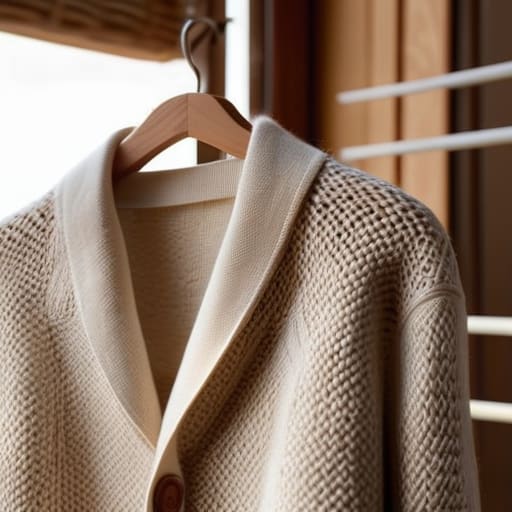
Most people approach decluttering like they’re cleaning a kitchen—tossing things into a bin without checking if the “good” pan is actually just a cheap non-stick that’s peeling. When it comes to wardrobe decluttering tips, you have to stop looking at the silhouette and start looking at the construction. If a piece is made of a thin, high-twist polyester that pills the moment you sit down, it’s not a “classic”; it’s landfill in waiting. I use a simple cost-per-wear math: if a shirt costs £40 but the seams are so tight you can only wear it once a month without feeling like a sausage, that’s a bad investment.
Instead of a massive purge, try seasonal capsule wardrobe planning based on what actually survives your life. Pull out everything you haven’t worn in six months and ask: does this need a tailor, or is it just dead weight? If a pair of trousers needs a £15 hem to look right, keep them. If they need a complete structural overhaul, let them go. We aren’t just clearing space; we are building a versatile closet where every single item is worth the hanger it sits on.
Fabric Over Fame Choosing Sustainable Clothing Choices That Survive the Was
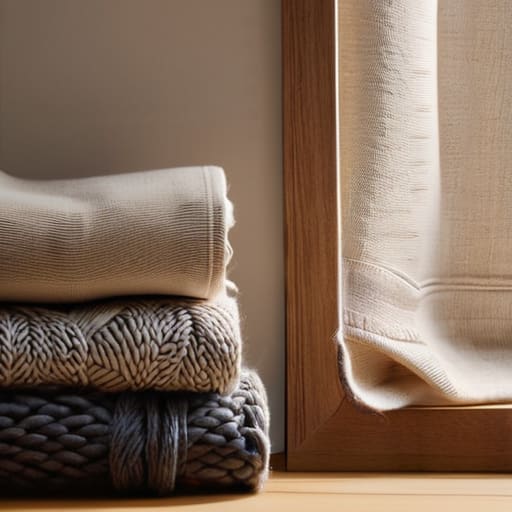
If you’re serious about building a versatile closet, you need to stop looking at the brand name and start looking at the composition tag. I’ve spent way too many hours in my studio deconstructing “high-end” sweaters that turned into shapeless heaps of fuzz after one wash because they were actually 90% acrylic. Marketing will call it “soft-touch,” but I call it a landfill contribution. When you’re making sustainable clothing choices, the math is simple: natural fibers like wool, linen, and heavy-weight cotton hold their structure. A 100% cotton shirt might cost more upfront, but it survives a hundred washes, whereas a polyester blend will pill and lose its shape before your first seasonal capsule wardrobe planning session even begins.
Check the weight, too. If a fabric feels thin or “bouncy” in a way that suggests it’s mostly plastic, walk away. A decent weight in a fabric means it has the integrity to hold a seam, which is vital if you ever want to take a garment to a tailor to fix the fit. Don’t let a pretty pattern distract you from a flimsy weave; a beautiful print on a bad fabric is just a temporary distraction.
Building a Versatile Closet Without Falling for the Investment Trap
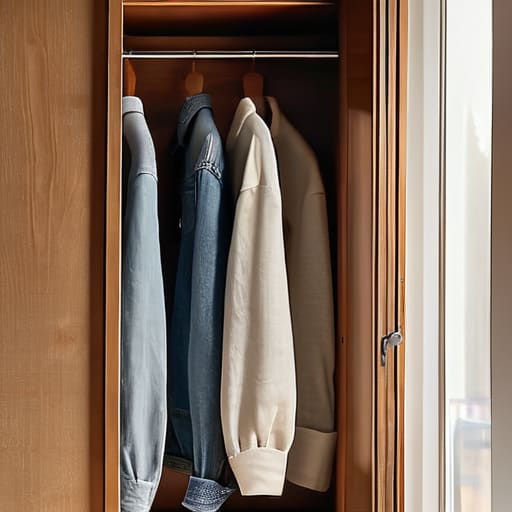
The marketing departments want you to believe that building a versatile closet requires a massive credit card limit and a collection of “forever pieces” that cost more than your monthly rent. They call it an investment; I call it a trap. If you’re following seasonal capsule wardrobe planning, don’t feel pressured to buy a new $300 linen shirt every time the temperature shifts. Most of those “luxury” basics are just high-markup versions of things you could find in a charity shop if you knew how to check the seams.
Instead of chasing the high of a big purchase, focus on outfit coordination strategies that work with what you already own. A truly effective wardrobe isn’t about the price tag on the label; it’s about the math of how many times you can actually wear it. If a piece only works with one specific pair of trousers, it isn’t a staple—it’s a liability. Look for structural integrity over brand names. A mid-range cotton tee with a reinforced neckline will serve you far better than a designer piece that loses its shape after two washes.
Mastering Seasonal Capsule Wardrobe Planning and Effortless Outfit Coordina
Most people approach seasonal capsule wardrobe planning like they’re preparing for a sudden invasion, buying a whole new set of “essentials” every time the temperature drops ten degrees. Don’t do that. You don’t need a new personality just because it’s autumn; you just need to swap the weight of your layers. Instead of a total overhaul, look at your current closet and identify the structural anchors—the heavy wool trousers or the crisp cotton shirts that work year-round. Transitioning is about rotating your heavy-duty pieces in and out of your active rotation, not starting from zero.
When it comes to outfit coordination strategies, stop trying to match colors like you’re playing a game of Tetris. It’s much easier to build a cohesive look when you focus on fabric texture and silhouette rather than perfect color coordination. A chunky knit paired with a silk slip skirt works because the weights contrast, even if the colors are basic. If you have the right foundation, you can grab any top and any bottom in the dark and still look like you actually tried.
5 Rules for a Capsule That Doesn't Feel Like a Punishment
- Check your seam allowances before you commit. When you’re picking “core” pieces, look for garments with extra fabric inside the seams; if you gain five pounds or want to change the silhouette in two years, a tailor can actually work with it. If the seam is cut too close to the edge, that piece is a dead end.
- Stop chasing “aesthetic” and start chasing utility. A capsule wardrobe isn’t a Pinterest board of beige linen; it’s a collection of things you can actually wear on a rainy Tuesday when you have a meeting at 10 AM and a grocery run at 5 PM. If it looks great but makes you feel like you’re wearing a costume, it doesn’t belong in the rotation.
- The “Cost Per Wear” math must include the alteration budget. If you find a vintage blazer for £10 that makes you look like a sack of potatoes, it’s not a bargain until you add the £25 it will cost to nip in the waist and shorten the sleeves. If that total exceeds the price of a well-made second-hand piece that already fits, walk away.
- Prioritize fabric weight over brand names. A heavy-weight cotton poplin will hold its shape through forty washes, whereas a “designer” thin synthetic blend will pill and lose its structure in three. Your capsule should be built on textures that can handle being pulled out of the closet every single week.
- Build around your “hardest” items, not your easiest. Most people buy more basics (the easy stuff) and then realize they have nothing to wear with their one specific pair of patterned trousers or that heavy wool skirt. Pick the piece that is the most difficult to style, and build the rest of the capsule to support it.
The Capsule Wardrobe Myth
A capsule wardrobe isn’t a magic collection of twenty expensive linen shirts that somehow fix your life; it’s just a smaller group of clothes that actually fit your body and your budget, so you can stop mourning the things you bought but never actually wore.
Neve Okonkwo-Barr
The Bottom Line
At the end of the day, a capsule wardrobe isn’t about owning a specific number of beige linen shirts or living in a minimalist showroom. It’s about realizing that your clothes should be working for you, not the other way around. We’ve looked at the math of why high-quality natural fibers beat trendy synthetics every single time, and we’ve talked about why a £15 hem adjustment is more valuable than a £100 “investment” piece that fits you like a sack. If you focus on fabric integrity, smart tailoring, and pieces that actually survive a Wednesday morning rush, you’ve already won. Stop looking at your closet as a list of things you lack and start seeing it as a collection of tools that make your life easier.
Please, stop letting marketing departments convince you that your personality is something you can buy in a shopping bag. Style isn’t about the volume of your clothes; it’s about the confidence of a perfect fit and the ease of knowing exactly what to grab when you’re running late. You don’t need a bigger budget to have a better wardrobe; you just need a bit more intention and perhaps a reliable local tailor. Build a closet that respects your bank account and your body, and I promise you, you will never feel “out of style” again.
Frequently Asked Questions
If I find a great vintage piece that’s almost perfect but needs a major structural change, is it actually worth the alteration cost?
Run the numbers before you touch the fabric. If it’s just a hem or taking in a waist, go for it—that’s a £15–£30 fix that makes a vintage gem wearable. But if you’re talking about reconstructing shoulders or moving a zipper, you’re looking at £60+ and hours of labor. Unless that piece is 100% heavy-weight wool or silk, the math rarely works. Don’t pay a premium to turn a “maybe” into a “maybe.”
How do I transition my capsule between seasons without ending up with a closet full of clothes I can only wear for three months?
Stop thinking in “seasons” and start thinking in layers. The biggest mistake is buying “summer” linen and “winter” wool as two separate lives. Instead, focus on weight. A mid-weight cotton shirt works in July, but if you throw a knit over it in October, it’s suddenly autumn. Buy pieces that bridge the gap—think transitional fabrics like Tencel or light denim. If a piece only works for twelve weeks, it’s not a capsule; it’s a seasonal mistake.
I have a lot of clothes that are "good" but don't quite fit right—should I include them in my capsule or is it better to start from scratch?
Do not throw them out. Starting from scratch is just a fancy way of spending money you don’t need to. If the fabric is decent and you actually like the piece, it’s a candidate. The problem isn’t the clothes; it’s the silhouette. Take them to a tailor. A waist nip or a hem adjustment might cost you £15, but it turns a “good” shirt into a capsule staple. Fix the fit, don’t buy a replacement.
