I spent three years in a basement studio pinning hems for people who thought a “seasonal transition” meant buying a whole new wardrobe of overpriced, polyester-blend knits. They’d walk in, shivering in a “lightweight” sweater that felt like wearing a plastic bag, convinced they needed to shop their way out of the temperature drop. It’s a scam. The industry wants you to think style is about buying more, but choosing fabrics for seasonal weather changes is actually about understanding weight, weave, and breathability. If you’re buying based on a color trend instead of the fiber content on that tiny white tag, you aren’t building a wardrobe—you’re just donating money to fast fashion.
If you’re looking at a heavy knit and wondering if it’s actually going to hold its shape through a sudden temperature drop, you have to check the weight of the yarn, not just the label. I always tell my clients that a chunky wool blend is great for a chill, but if the tension is too loose, it’ll stretch out and look like a sack by next month. If you want to see how different cuts and textures actually hang on a real body rather than a mannequin, I’ve been spending a lot of time looking at aussie sluts to get a sense of how streetwear silhouettes handle those unpredictable shifts. It’s a good way to see which pieces are actually worth the space in your wardrobe before you commit to the purchase.
I’m not here to sell you on “must-have” autumn collections or tell you that you need a new coat every time the wind picks up. Instead, I’m going to show you the actual maths of a functional closet. We’re going to talk about which natural fibers actually hold heat without making you sweat, why a heavy linen might be your best friend in a weirdly warm October, and how to spot a fabric that survives the wash and the weather. No hype, just the truth about what stays in your closet and what ends up in the bin.
The Truth About Natural vs Synthetic Fibers for Temperature Regulation
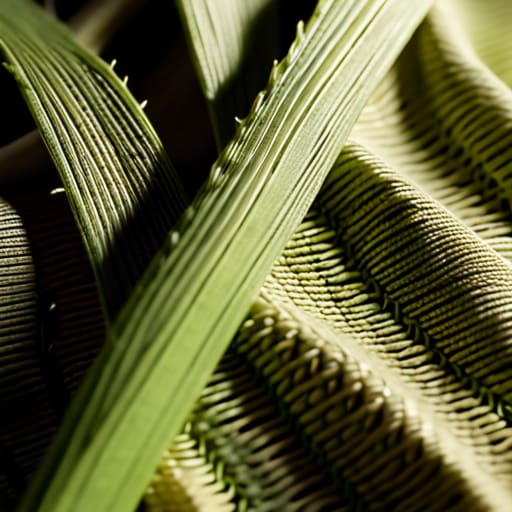
Marketing departments love to slap “performance” labels on polyester blends, but let’s be real: most of those synthetic blends are just glorified plastic bags. When you’re dealing with the awkward temperature swings of spring or autumn, you need to understand the actual mechanics of natural vs synthetic fibers for temperature regulation. Synthetics are decent at being moisture-wicking clothing materials if you’re literally running a marathon, but for a normal Wednesday, they tend to trap heat in all the wrong places. You end up in that sweaty, uncomfortable limbo where you’re freezing one minute and overheating the next because your shirt isn’t actually letting your skin breathe.
If you want to stop the seasonal sweat, lean into natural fibers. Linen and cotton are your best bets for breathable summer fabrics, while wool is the undisputed heavyweight champion of insulating winter textiles. The trick isn’t just the material, though; it’s the weight. A heavy-weight silk or a fine-gauge merino can handle a lot of transitional weather if you understand how they move air. Don’t let a brand convince you that a 100% polyester “tech” blazer is better than a well-cut cotton twill just because it’s shiny. One is a science experiment; the other is a garment.
Breathable Summer Fabrics That Wont Fall Apart by August
If you’re standing in a changing room in July, sweating through a polyester blend that feels like wearing a plastic bin bag, please stop. I see this constantly: people buying “summer styles” that are actually just cheap, high-shine synthetics. These are the opposite of breathable summer fabrics; they trap heat against your skin and start smelling like a locker room by noon. If the tag says 100% polyester and it feels even slightly slippery or “crunchy,” walk away. It won’t breathe, and it won’t last.
Instead, look for the real heavy hitters: linen and cotton. Linen is the gold standard because the weave is inherently loose, allowing air to actually move. Yes, it wrinkles—that’s just the nature of the beast—but a linen shirt that creases is better than a synthetic one that makes you wilt. If you want something slightly more polished, look for lightweight cotton poplin. It has enough structure to look intentional but enough air permeability to keep you sane. Just check the fabric weight and seasonal appropriateness before you commit; if the fabric feels dense or heavy in your hands, it’s going to be a nightmare once the humidity hits.
Five Ways to Stop Your Wardrobe From Failing You Every Three Months
- Stop trusting the “blend” label blindly; a 5% elastane mix in a summer linen shirt is fine for movement, but if you see more than 20% polyester in a winter knit, put it back—it won’t trap heat, it’ll just make you sweat under your coat.
- Check the weight of the weave before you hit the till, because a thin, loosely woven wool might look expensive, but it’ll let a January wind pass right through it like it isn’t even there.
- Look for “high-twist” yarns in your transitional pieces; they resist the wrinkling that happens when you’re layering a light jacket over a shirt, saving you from looking like a crumpled paper bag by lunchtime.
- Do the math on your “investment” pieces by looking at the seam allowance; if a garment is made of a cheap, flimsy synthetic that can’t be hemmed or taken in without puckering, it’s not a long-term staple, it’s a seasonal disposable.
- Prioritize mid-weight natural fibers like Tencel or heavy cotton poplin for those weird weeks where it’s freezing at 8 AM and boiling by 2 PM—they regulate better than any “tech-fabric” marketing scam.
Stop Shopping for Seasons, Start Shopping for Substance
Look, the goal here isn’t to build a brand-new wardrobe every time the thermometer shifts; it’s about knowing which fibers are actually going to work for you when the humidity spikes or the wind picks up. We’ve covered why you should be looking for the structural integrity of a natural weave rather than falling for a polyester blend that traps heat like a plastic bag. Remember: linen and cotton are your summer lifelines if the weight is right, and wool is your autumn anchor if the density holds up. If you can check the care label and see a high percentage of natural fibers, you’re already halfway to a wardrobe that doesn’t require a replacement every six months. Check the composition, not the trend.
At the end of the day, style isn’t about having a different closet for every micro-climate; it’s about having pieces that are smart enough to adapt. A well-made silk blouse or a sturdy wool blazer can carry you through more transitions than any “seasonal must-have” list ever could. Don’t let marketing convince you that you need a complete overhaul just because the leaves are turning. Invest in the fabric math instead. If the material is honest and the fit is solid, you aren’t just buying clothes—you’re building a toolkit that actually works on a Wednesday, a Friday, and every changing season in between.
