Stop letting fashion influencers convince you that you need a whole new “capsule wardrobe” just to make your work clothes wearable on a Saturday. It is a total scam. They’ll tell you to buy five new linen shirts and a pair of $200 loafers, when the real secret to how to dress down formal pieces is usually sitting right in your closet—or tucked away in a local tailor’s bin. I spent two years pinning hems in a damp basement studio, and if there is one thing I learned, it’s that a stiff, over-structured blazer doesn’t need a new partner; it just needs a better silhouette and a bit of grit to keep it from looking like you’re headed to a deposition.
I’m not here to sell you on more “must-have” trends or expensive aesthetic resets. Instead, I’m going to show you how to actually engineer your existing clothes so they work for a real life. We’re going to talk about fabric weights that don’t look precious, why a simple seam adjustment can change a garment’s entire vibe, and how to pair high-end wool with the kind of worn-in denim that actually makes sense. This is about making your clothes work for you, not the other way around.
Understanding How to Dress Down Formal Pieces
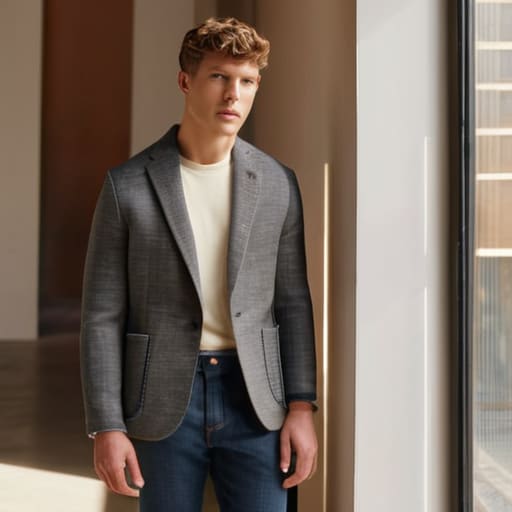
Before you start trying to “deconstruct” your wardrobe, you need to understand what you’re actually working with. Most people think dressing down means looking sloppy, but it’s actually about managing the tension between structured and soft. A formal piece—let’s say a heavy wool blazer or a silk midi skirt—has a certain “rigidity” to it. If you pair it with something equally stiff, you look like you’re heading to a board meeting you didn’t ask for. The secret to transitioning formal wear to casual lies in breaking that tension. You want to introduce something that has lived a little; something with a bit of weight or a slightly irregular texture that tells the eye, “I’m not trying too hard.”
This is where the concept of capsule wardrobe versatility actually becomes useful. It’s not about having fifty different things; it’s about having three things that can survive a change of scenery. When you’re styling blazers with denim, for example, don’t just grab any old pair of jeans. Look for a mid-weight denim with a bit of character. If the blazer is too sharp, a pair of worn-in, straight-leg jeans provides the necessary visual friction to make the whole outfit feel intentional rather than accidental.
Key Things to Know
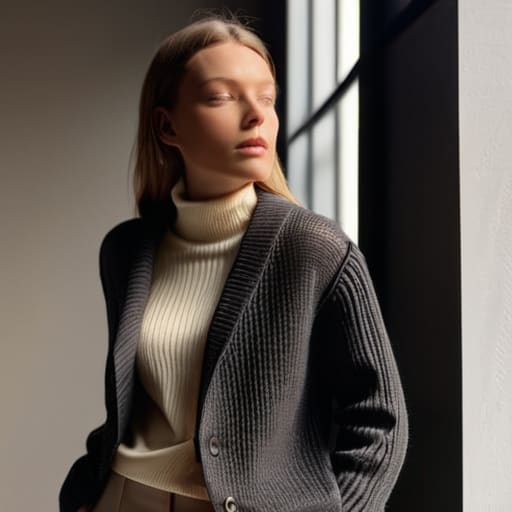
First, let’s talk about the physics of it. You cannot just throw a silk slip dress over a hoodie and expect it to look intentional; usually, it just looks like you got dressed in the dark. The secret to transitioning formal wear to casual is all about managing the visual weight of the fabrics. If you have a heavy, structured wool blazer, you need to counter that stiffness with something soft and lived-in, like a cotton tee or a ribbed knit. If the textures are fighting each other, the outfit fails.
Second, stop ignoring your seams. A lot of “formal” pieces feel too precious because they were designed for a body that doesn’t exist in real life. If you want an elevated casual aesthetic that actually works on a Tuesday afternoon, you need to look at the silhouette. Taking a stiff, oversized blazer and having a tailor nip in the waist slightly—or even just shortening the hem—can turn a “special occasion” piece into something that actually plays nice with your favorite worn-in denim. It’s about making the clothes look like they belong to you, not a mannequin.
Practical Tips and Steps
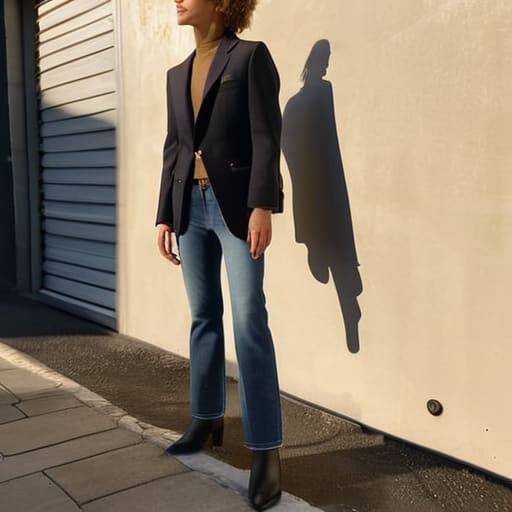
First, stop looking at your formal pieces as “costumes” and start looking at them as structural elements. If you have a stiff, high-end blazer that feels too much like a boardroom uniform, the fastest way to achieve an elevated casual aesthetic is to break the silhouette. Don’t just wear it with a tee; try styling blazers with denim that has actually seen some life. A pair of straight-leg jeans with a bit of fraying at the hem creates a necessary tension against a sharp lapel. It tells the world you didn’t just roll out of a corporate seminar.
Second, pay attention to the weight of your fabrics. If you’re transitioning formal wear to casual, you need to disrupt the “perfection” of the outfit. This is where mixing textures in outfits becomes your best friend. Throw a heavy, oversized cotton sweatshirt under a structured wool coat, or pair a silk slip skirt with a chunky, slightly pilled knit. The goal isn’t to look messy; it’s to stop looking like a mannequin. If the garment feels too “precious,” add something tactile and lived-in to ground it.
Common Mistakes to Avoid
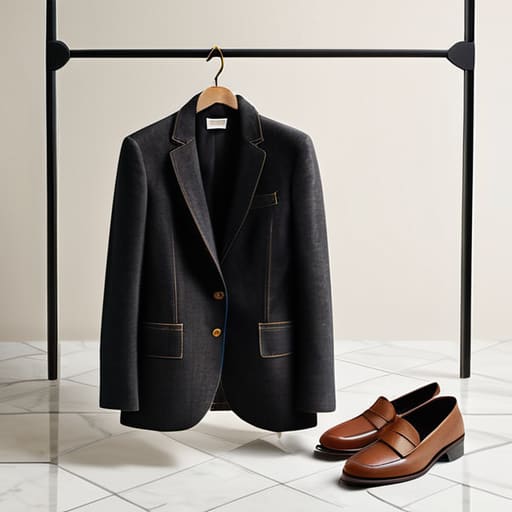
The biggest mistake I see is people trying to “camouflage” formal wear with things that just don’t belong together. You can’t just throw a thin, fast-fashion cardigan over a structured silk blouse and expect it to look intentional; it just looks like you’re hiding. If you’re transitioning formal wear to casual, you have to respect the architecture of the garment. If a blazer has heavy shoulder pads, don’t try to pair it with flimsy, jersey-knit leggings. It creates a visual clash that makes the outfit look accidental rather than curated.
Another trap is the “all or nothing” approach to textures. People often think dressing down means wearing flat, lifeless cottons to offset a shiny suit. That’s a recipe for a boring outfit. Instead, focus on mixing textures in outfits to create depth. If you’re styling blazers with denim, don’t just grab the first pair of stretchy, thin jeans you find. Look for a heavier, authentic denim weight that can actually stand up to the structure of the jacket. If the fabrics fight each other, you’ll look like you’re wearing a costume, not a real outfit.
Final Thoughts
At the end of the day, please stop looking at your closet as a collection of “special occasion” items and start seeing it as a toolkit. Most of the stuff sitting in your wardrobe waiting for a wedding or a promotion is actually just high-quality fabric that’s being wasted. When you focus on transitioning formal wear to casual, you aren’t just saving money; you’re actually making your clothes work for the life you actually live, which usually involves a lot more Tuesdays than gala dinners.
If you’re feeling stuck, remember that the magic is almost always in the friction. Don’t be afraid of mixing textures in outfits—that’s how you stop looking like you’re wearing a costume. Throw a heavy wool blazer over a thin cotton tee, or pair a silk skirt with a chunky knit. If the fit is slightly off, don’t panic and don’t go shopping; just find a local tailor. A twenty-pound hem or a nipped waist is the difference between looking like you’re wearing your mum’s clothes and looking like you actually own them.
5 Ways to Stop Looking Like You’re Heading to a Boardroom Meeting
- Swap the stiff button-down for a heavy-weight cotton tee. A silk blouse under a blazer is fine if you’re feeling fancy, but a high-quality, thick t-shirt breaks the “corporate” tension immediately. Just make sure the neckline isn’t stretched out; a bacon-neck collar makes a tailored blazer look accidental rather than intentional.
- The “Third Piece” Rule for texture. If you’re wearing formal trousers, don’t pair them with a matching waistcoat. Throw on a chunky knit jumper or a denim jacket instead. Mixing a structured wool fabric with something tactile like cotton or knitwear tells people you’re dressed for a life, not just a presentation.
- Footwear is the ultimate vibe-check. You can take almost any formal piece down a notch with a clean, leather trainer or a chunky loafer. If you try to dress down a suit with flimsy, cheap flats, it just looks like you forgot your heels. Go for weight and structure in your shoes to balance the formality.
- Mind the hemline and the silhouette. If your formal trousers are pooling around your ankles because they were tailored for a heel, they’ll look sloppy, not casual. Take them to a tailor—it’ll cost you about £15 to a £20 to crop them to a slightly shorter, more casual length—and suddenly they work with trainers.
- Deconstruct the set. Stop thinking of a suit as a single unit. A blazer is just a jacket, and trousers are just trousers. Wear the blazer with your favourite worn-in jeans, or the trousers with a sweatshirt. If you keep them together, you’re wearing a costume; if you split them up, you’re wearing an outfit.
The Math of a Versatile Wardrobe
Stop looking for ‘casual’ versions of your clothes in a shop window; look at the seams instead. A structured blazer isn’t a formal prison if you nip the waist for twenty quid and pair it with a heavy cotton tee—it’s just a layer. Style isn’t about buying more, it’s about making what you already own actually behave.
Neve Okonkwo-Barr
The Bottom Line
At the end of the day, dressing down isn’t about hiding your clothes or looking like you didn’t try; it’s about understanding the architecture of what you’re wearing. Stop looking at that blazer as a “work only” item and start seeing it as a structural layer that just needs a bit of friction to work in the real world. Whether you are swapping silk for heavy cotton, breaking in a stiff collar, or taking twenty quid to a tailor to shorten a hem so it doesn’t swallow your frame, the goal is the same: making the garment serve your life, not the other way around. Remember, a piece is only “too formal” if you haven’t figured out which unpretentious textures can balance it out.
Please, stop waiting for the next sale to “fix” your wardrobe. Most of the time, the solution is already hanging in your closet, probably just waiting for a button to be moved or a seam to be let out. Style isn’t a math problem where you add more items to get a better result; it is a re-engineering project. If you can master the art of mixing high-spec tailoring with the stuff you actually feel comfortable in, you will never feel like a fraud in your own clothes again. Go look at that formal piece you’ve been ignoring—it’s not a mistake, it’s just unfinished business.
Frequently Asked Questions
I have a formal blazer that's a bit too stiff and "corporate"—can a tailor actually change the vibe of the fabric, or am I stuck with the structure?
Look, I’ll give it to you straight: a tailor can’t change the DNA of the fabric. If it’s a stiff, heavy polyester blend, it’s always going to feel a bit “middle management.” However, they can change the silhouette. Ask them to soften the shoulder pads or slightly taper the waist to break up that boxy, corporate shape. It’ll cost you maybe £25–£40, but it’s better than wearing a costume.
How do I know if a piece is actually worth the alteration cost to make it casual, or if I'm just throwing good money after bad?
Look at the fabric and the seams, not the label. If it’s a high-quality wool or a heavy linen that holds its shape, it’s worth the £15–£25 to nip the waist or shorten a hem. If it’s cheap polyester that feels like a bin bag, stop. No amount of tailoring can fix bad fibers. If the structure is solid but the fit is “office-only,” fix it. If the fabric is the problem, let it go.
Is it possible to dress down high-end silk or delicate fabrics without them looking messy or unkempt?
It’s absolutely possible, but you have to stop treating silk like it’s precious glass. The “messy” look happens when the fabric loses its structure entirely. To keep it looking intentional rather than unkempt, pair the delicate weight with something heavy—like a structured denim jacket or a chunky knit. The contrast in fabric tension is what makes it look like a choice. Just ensure your hems are crisp; a frayed silk edge looks cheap, not chic.
