I’ve spent way too many years watching people treat a suitcase like a way to cure their identity crises, stuffing it with “statement pieces” that end up looking like crumpled paper by the time they hit the hotel floor. Most influencers will give you a “complete guide to packing” that involves buying three new linen sets and a specialized organizer system that costs more than a decent pair of boots. It’s a lie. They want you to think you need more stuff to be prepared, when the reality is that most of what you’re hauling is just weight you don’t need and fabric that won’t survive a single day of actual travel.
I’m not here to sell you a lifestyle or a new brand of vacuum bags; I’m here to talk about fabric weight and versatility. This is a guide built on the math of a working wardrobe, focusing on how to select pieces that actually hold their shape and how to spot a garment that can work on a Monday morning or a Friday night without a trip to the dry cleaners. I’ll show you how to pack for the reality of your trip, not the fantasy of it, so you can stop worrying about your luggage and start actually enjoying your time away.
The Math of a Minimalist Travel Wardrobe Less Is More
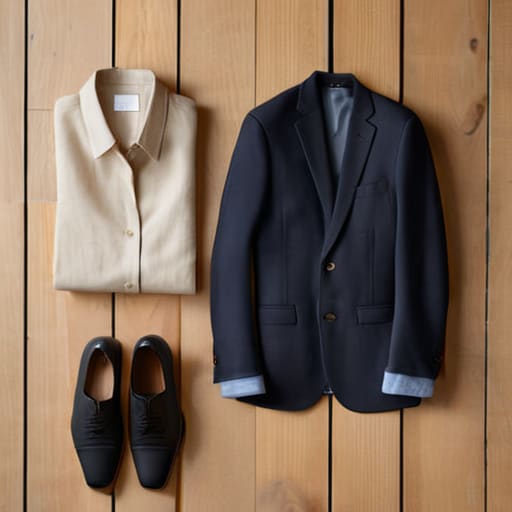
Let’s do the math, because “packing light” isn’t a vibe; it’s a calculation of versatility versus volume. If you pack five tops that only work with one specific pair of trousers, you haven’t packed a wardrobe—you’ve packed a series of single-use mistakes. A true minimalist travel wardrobe relies on a multiplier effect. I want to see a ratio where every single item can be worn in at least three different configurations. If a linen shirt can go from a beach cover-up to a dinner layer, it earns its spot. If a heavy, “investment” blazer takes up half your carry-on but only works with one dress, it’s actually a deficit.
Stop obsessing over travel organization hacks like fancy gadgets and start looking at your fabric weights. A thin merino wool knit is worth three heavy cotton hoodies because it provides warmth without the bulk and resists the kind of deep creasing that makes you look like you slept in your suitcase. I’ve seen people spend forty pounds on specialized containers when they should have spent that money on better-quality fibers that actually hold their shape. Pack for the reality of your trip, not the fantasy version of yourself you think you need to be.
A Complete Guide to Packing Without the Fabric Fatigue
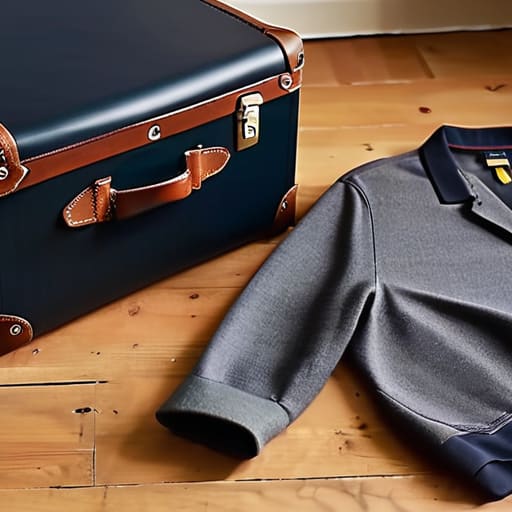
Forget the “capsule wardrobe” influencers who pack ten silk slips and a dozen linen trousers that will look like a crumpled heap of laundry by the time you land. Real travel isn’t about aesthetic cohesion; it’s about fabric durability. If you’re bringing something that requires a professional steamer just to look presentable, you’ve already lost the battle. I always tell my clients: if it can’t survive being stuffed into a bag for six hours, it doesn’t belong in your suitcase. Stick to mid-weight wool blends, heavy cottons, or high-quality synthetics that actually hold a shape.
When it comes to the actual mechanics, stop debating the merits of packing cubes vs rolling as if it’s a religious war. The truth is that rolling is great for t-shirts, but it’s a disaster for structured blazers or anything with a seam that needs to stay crisp. Instead, use your heavier items—like denim or knitwear—as a base to create a flat surface. If you’re worried about preventing wrinkled clothes while traveling, place your most delicate items at the very top of the stack, never at the bottom where the weight of your shoes will crush the fibers into a permanent crease.
Packing Cubes vs Rolling Calculating Your Real Space Gains
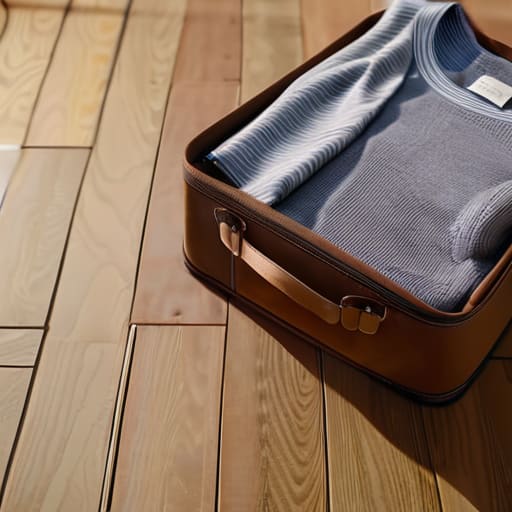
Look, I don’t care how many aesthetic “organization hauls” you’ve seen on TikTok; the debate of packing cubes vs rolling isn’t about what looks pretty in a flat-lay photo, it’s about fabric management. If you are rolling everything, you are likely treating a heavy wool sweater the same way you treat a silk camisole, which is a recipe for disaster. Rolling is great for saving surface area with knits and jersey, but it can actually increase deep-set creases in structured cottons.
If you want to actually win the space game, you need to treat your suitcase like a filing cabinet, not a laundry basket. This is where packing cubes become your best friend for a minimalist travel wardrobe. Use the cubes to compress your lighter, compressible items—think tees and leggings—and leave the structured pieces to sit flat or be carefully rolled. The real math here is simple: cubes provide structural integrity so your clothes don’t turn into a crushed, wrinkled mess by the time you hit your hotel. It’s about controlling the volume, not just stuffing things in.
Preventing Wrinkled Clothes While Traveling a Practical Fabric Audit
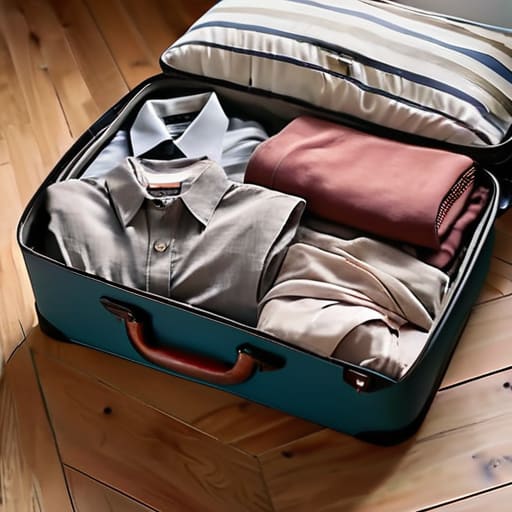
Before you even touch your suitcase, you need to perform a brutal fabric audit. Most people pack based on a Pinterest aesthetic, but if you’re packing a linen blazer for a three-day trip, you aren’t preparing for a holiday; you’re preparing for a fight with an iron. Linen and lightweight silks are beautiful, but they are high-maintenance divas that refuse to cooperate in a cramped bag. If you want to master preventing wrinkled clothes while traveling, you have to stop treating every item in your closet as equally capable of surviving a flight.
Look for the structural winners: wool blends, heavy jerseys, and high-quality synthetics that actually hold their shape. A merino wool sweater is a travel god because it breathes and bounces back, whereas a cheap cotton tee will look like a crumpled napkin by the time you land. If you absolutely must bring that “investment” silk slip dress, don’t just toss it in; use one of my favorite travel organization hacks and lay it flat inside a dry-cleaning bag before folding. The plastic creates a buffer that prevents the fabric from catching and creasing against other items.
Carry on Essentials Checklist Smart Space Saving Packing Techniques
If you’re staring at your suitcase thinking you need a backup outfit for every possible mood, stop. A proper carry-on essentials checklist isn’t about quantity; it’s about the math of versatility. I always tell my clients to look at the seam allowance and the fabric weight before they even touch a suitcase. If a piece only works with one specific shoe or one specific top, it’s dead weight. I pack based on a “Rule of Three”: three tops for every one bottom, ensuring the fabrics are sturdy enough to survive being compressed.
When it comes to actual space saving packing techniques, forget the “aesthetic” tutorials you see on social media that involve folding things into tiny, fragile squares. I swear by a hybrid approach. Use your packing cubes for the soft, unstructured stuff—tees, knits, and jersey—to keep them from migrating. For anything with structure, like a blazer or a linen shirt, use the rolling method to minimize tension on the seams. It’s not about looking like a professional organizer; it’s about making sure your clothes actually look wearable when you pull them out.
The "Wednesday Test" and Other Rules for a Suitcase That Doesn't Fail You
- Stop packing “just in case” outfits that only work for a specific, unlikely event; if an item can’t be worn on a random Wednesday with at least two other things in your bag, it stays home.
- Do a quick seam and button audit before you zip the bag; there is nothing worse than arriving in a new city only to realize your favorite linen shirt has a loose thread or a missing button that you can’t fix in a hotel sink.
- Prioritize fabric weight over “trends”; a heavy, cheap polyester blend will take up twice the space and offer half the breathability of a lightweight, high-quality Tencel or merino piece.
- Calculate the “cost per wear” of your travel items; if you are lugging around a heavy “statement” jacket that you only plan to wear once, you are wasting precious cubic centimeters of space for a single photo op.
- Pack your alterations-ready basics first; knowing exactly how a garment sits on your body means you won’t spend your trip constantly tugging at a waistband or adjusting a shoulder seam that was poorly constructed.
The Packing Fallacy
Stop treating your suitcase like a backup wardrobe for every possible version of yourself; if you can’t style an item with three other things you’ve already packed, it’s just expensive dead weight that’s going to cost you more in luggage fees than it’s worth in utility.
Neve Okonkwo-Barr
Stop Packing for a Fantasy and Start Packing for Reality
At the end of the day, a successful suitcase isn’t about how many “just in case” outfits you can cram into a polyester mesh cube; it’s about the math of your actual itinerary. We’ve looked at the fabric audits, the space-saving mechanics of rolling versus folding, and why that heavy, non-breathable “statement” blazer is actually a liability in a carry-on. Remember that fit and fabric weight dictate your comfort more than any trend-heavy capsule collection ever could. If you can’t wear an item with at least three other things in your bag, it’s not a versatile piece—it’s just extra weight that’s going to make your shoulders ache by day two.
Please, stop treating your luggage like a storage unit for a version of yourself that doesn’t exist. You aren’t going to suddenly become a person who wears floor-length silk gowns in a hostel, and you certainly won’t enjoy your trip if you’re constantly fighting a zipper. Real style—and real travel—is about the confidence of knowing everything you brought actually works. Pack the clothes that fit your body right now, the fabrics that won’t look like a crumpled paper bag after an hour in transit, and leave the rest of the “what ifs” at home. You’ll have a much better time.
Frequently Asked Questions
If I’m packing a linen shirt to avoid the "fabric fatigue" you mentioned, is it actually worth the space, or should I just stick to synthetics that won't look like a crumpled napkin by noon?
Listen, if you’re aiming for “crisp professional” by lunchtime, leave the linen at home. It’s a lie. Linen is beautiful, but it’s high-maintenance and will look like a crumpled napkin after one sit-down. If you want the breathable vibe without the chaos, pack a Tencel or a high-quality viscose blend. They drape like heaven, resist wrinkles better than cheap polyester, and won’t cost you your dignity by noon.
How much should I realistically budget for a local tailor to fix a hem or a button if something goes wrong with my "versatile" pieces while I'm away?
Don’t panic, but don’t expect a miracle for five euros. If you’re traveling and a button pops or a hem drags, you’re looking at a “quick fix” budget. For a basic button replacement or a simple emergency hem, expect to pay anywhere from £10 to £25 depending on how much the local shop charges for a “walk-in.” It’s annoying, but it’s cheaper than replacing a decent linen blazer because the bottom is fraying.
You talked about the math of a minimalist wardrobe, but how do I decide if a heavy wool coat is actually a "smart" travel piece versus just a massive space-hog?
Look at the weight and the weave. If it’s a heavy, structured wool that provides your primary warmth, it’s a tool, not a burden. Wear it on the plane to save suitcase real estate. But if it’s a thick, synthetic blend that’s just bulky without being breathable, it’s a space-hog. If you can’t layer a thin knit under it without looking like a marshmallow, leave it. Pack utility, not just bulk.
