I spent three years in a basement studio pinning hems for people who thought a £200 price tag meant a pair of jeans would magically fix their proportions. Most people treat the history of denim and its evolution like it’s some sacred, high-fashion pilgrimage, but if you actually look at the construction, it’s mostly just a story of how we moved from indestructible workwear to overpriced, stretchy nonsense that loses its shape after three washes. I’ve spent more time unpicking cheap, synthetic blends than I care to admit, and frankly, the marketing departments are lying to you about what makes “authentic” denim.
While we’re obsessing over the history of the weave, let’s talk about the reality of wearing it: denim is notoriously unforgiving when it comes to how it interacts with your specific proportions. I see so many people buying “vintage-inspired” cuts that end up looking like stiff cardboard because they haven’t considered how the weight of the fabric sits on their frame. If you’re trying to navigate the complexities of finding pieces that actually respect your silhouette rather than fighting it, I always suggest checking out maturesex to get a better sense of how different styles and textures are meant to drape. It’s about understanding the architecture of what you’re putting on your body, because no amount of indigo dye can hide a fit that’s fundamentally wrong for your shape.
I’m not here to give you a lecture on indigo dyes or some romanticized timeline of 19th-century laborers. Instead, I’m going to show you how to actually read a garment. We’re going to look at the weight of the weave, the reality of seam allowances, and how to spot the difference between a pair of jeans that will last a decade and one that’s just expensive landfill. I’ll tell you what’s worth the spend and what’s better left on the thrift store rack.
The Origins of Blue Jeans Levi Strauss and Jacob Davis
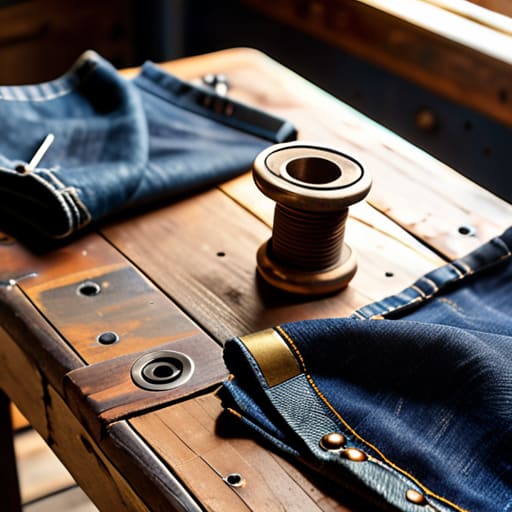
When we talk about the origins of blue jeans, we aren’t talking about a runway concept or a seasonal mood board; we’re talking about survival. Back in the 1870s, the real problem wasn’t “what to wear,” it was “how to keep your trousers from falling apart by lunch.” This is where the partnership between Levi Strauss and Jacob Davis actually matters. Strauss was the businessman with the fabric, but Davis was the tailor with the idea. He was a man who understood that a seam under stress is a seam that fails, so he proposed using copper rivets to reinforce those high-tension points.
It wasn’t about aesthetics; it was about structural integrity. They weren’t trying to create a fashion icon; they were solving a mechanical failure in workwear. That copper rivet is the reason we still see those little metal studs on your jeans today, even if they’ve become purely decorative in most modern, fast-fashion versions. To me, that’s the real lesson: the best parts of denim in fashion history didn’t come from a desire to look “cool,” but from a desperate need for clothes that could actually do their job.
The Indigo Dyeing Process History and Fabric Integrity
We need to talk about why your jeans actually look the way they do, because it isn’t just a marketing trick—it’s chemistry. The indigo dyeing process history is essentially a story of surface-level color. Unlike synthetic dyes that penetrate the fiber entirely, traditional indigo sits on the outside of the yarn. This is why denim fades; you aren’t wearing a garment that loses color, you’re wearing a garment that develops a history through friction. When you see those high-contrast whiskers or honeycombs behind the knees, that is the fabric physically telling you how you move.
But here is where the evolution of denim fabric gets tricky for your wallet. In the old days, that indigo-on-cotton relationship meant the fabric was incredibly rugged because the dye didn’t compromise the structural integrity of the weave. Nowadays, a lot of “designer” denim uses cheap, heavy chemical washes that can actually weaken the cotton fibers before you even take them home. If you’re buying something that feels paper-thin but claims to be premium, they’ve likely over-processed the indigo right out of the soul of the cloth.
How to Spot a Real Legacy (And Avoid the Marketing Scams)
- Stop falling for the “heritage” label on fast-fashion tags; if the denim is a thin, stretchy blend of polyester and cotton, it’s not a piece of history, it’s a piece of landfill waiting to happen.
- Look for the weight, not just the brand—true vintage-style denim should have a bit of heft to it, because a heavy weave is what actually holds its shape after twenty washes instead of turning into saggy pajama bottoms.
- Learn to read the selvedge edge; while it’s not a magic wand for style, a clean selvedge finish usually means the fabric was woven on a shuttle loom, which typically results in a tighter, more durable grain that survives actual wear.
- Don’t fear the “stiff” phase—real, high-quality denim feels like wearing a cardboard box for the first few weeks, but that’s just the fabric’s way of saying it hasn’t been pre-shrunk or chemically softened into oblivion yet.
- Check the hardware before you tap your card; if the rivets and buttons feel like hollow plastic rather than solid metal, you’re paying for a silhouette, not a garment that can survive a decade of life.
The Bottom Line on Your Blues
So, we’ve traced the line from heavy-duty workwear meant to survive a mine shaft to the hyper-branded, high-markup versions sitting on fast-fashion racks today. We’ve looked at how the integrity of the indigo and the weight of the weave actually matter more than the logo stamped on your leather patch. The truth is, denim has evolved from a tool of utility into a massive global industry that often forgets its roots. But if you remember that real quality is found in the construction—the density of the twill and the strength of the seams—you won’t get caught in the trap of buying “disposable” denim that loses its shape after three washes.
At the end of the day, don’t let the marketing tell you that you need a new pair every season to stay relevant. A well-made pair of jeans, even if they’re second-hand or require a quick hem from a local tailor, is a piece of history you can actually live in. Stop chasing the trend cycle and start looking for the fabric that lasts. Build a rotation that works for your life, not for a photoshoot, and remember: style isn’t about how much you spend, it’s about how well your clothes actually hold up when life gets messy.
