I spent two years in a basement studio pinning hems for a bridal shop, and if there is one thing I learned, it’s that a high price tag is the most unreliable indicator of quality. I’ve seen “designer” jeans fall apart at the crotch after three washes, while a pair of vintage finds from a charity shop holds its shape like a fortress. Most people think they need a bigger budget to get better jeans, but they’re actually just being sold a lie about how denim is made and graded. The industry wants you to obsess over the brand name, but the real story is hidden in the weave density and the way the indigo sits in the thread.
In this guide, I’m stripping away the marketing fluff to show you what actually matters when you’re standing in a fitting room. We are going to look at the actual mechanics of the fabric—from the weight of the denim to the grading standards that determine if a pair will survive a year of real life or just a single season. I’ll show you how to spot the difference between a genuine heavy-duty twill and a cheap imitation, so you can stop wasting money on “investment” pieces that aren’t actually worth the math.
Understanding How Denim Is Made and Graded
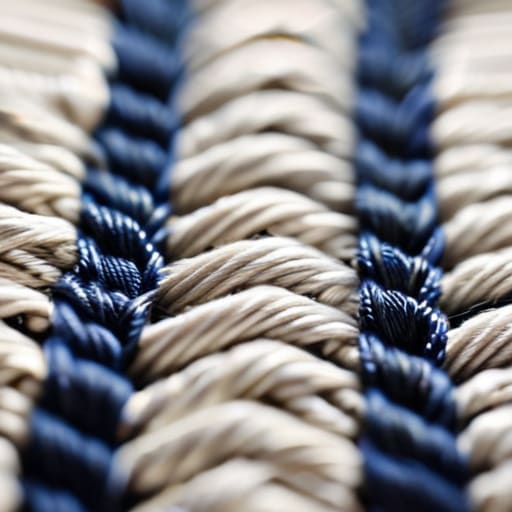
To understand why one pair of jeans feels like a second skin and another feels like wearing a cardboard box, you have to look past the wash and the brand name. It all starts with the warp and weft construction. Basically, you’ve got the vertical threads (the warp) which are usually dyed with indigo, and the horizontal threads (the weft) which stay white. Most of the cheap stuff you find in high-street windows is made on massive, high-speed shuttleless looms that prioritize speed over soul. They’re efficient, sure, but they often lack the character and structural integrity of something woven on older, slower loom types for selvedge denim.
When you’re actually looking at the fabric, stop checking the price tag and start checking the weight. I’m talking about the denim fabric density. A higher density usually means a tighter weave, which is the difference between a pair of jeans that holds its shape for three years and a pair that turns into saggy leggings after three washes. Don’t let a “premium” label distract you; if the weave is loose and flimsy, it won’t survive a single heavy-duty laundry cycle.
Key Things to Know
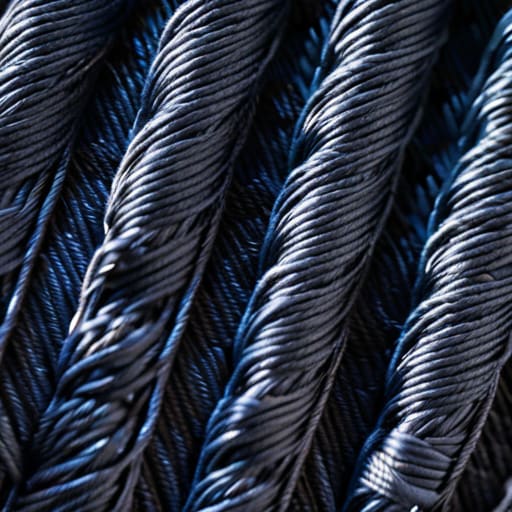
First, stop looking at the price tag and start looking at the weave. When I’m inspecting a pair of jeans, I’m looking for denim fabric density. You want a weight that feels substantial in your hands, not something that feels like a glorified bedsheet. This comes down to the warp and weft construction; if the weave is loose and uneven in a way that looks accidental rather than intentional, those jeans are going to lose their shape by next Tuesday.
Next, let’s talk about the color. Most people think “fading” is just magic, but it’s actually the result of the indigo dyeing process. In high-quality denim, the dye sits on the surface of the yarn rather than soaking all the way through to the core. This is what allows for those beautiful, gradual fades that tell a story over years of wear. If the indigo is too “flat” or uniform, it’s likely a cheaper, mass-produced finish that won’t age with you. If you can’t see the texture of the thread through the color, you’re likely looking at a garment that’s designed to be replaced, not repaired.
Practical Tips and Steps
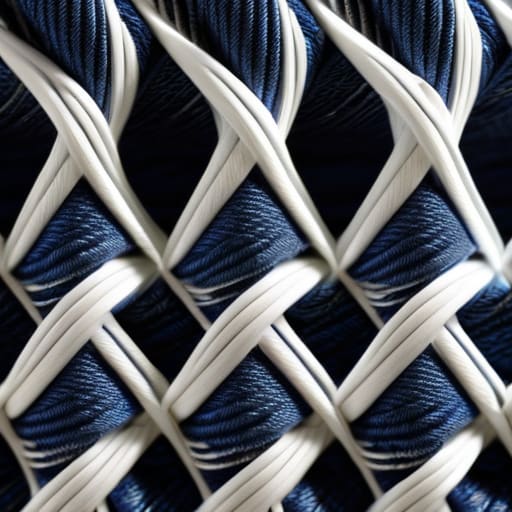
When you’re standing in a fitting room, stop looking at the price tag and start looking at the grain. If the denim feels thin or looks “flat,” it’s likely a low-density weave that will bag out at the knees by lunchtime. You want to feel a certain weight; a higher denim fabric density means the garment has the structural integrity to actually hold its shape through a Wednesday afternoon. If you can see the white threads peeking through too easily in a light-colored wash, the weave is too loose. It might look soft now, but it won’t survive a year of real life.
Next, check the construction. If you’re looking at higher-end options, look for the selvedge edge—that’s a sign of specific loom types for selvedge denim that create a tighter, more durable finish. But honestly? Even with standard denim, check the warp and weft construction by pulling the fabric slightly. If it feels like it’s going to snap or distort instantly, walk away. A good pair of jeans should feel like a second skin that actually stays put, not a flimsy layer of blue-tinted cotton.
Common Mistakes to Avoid
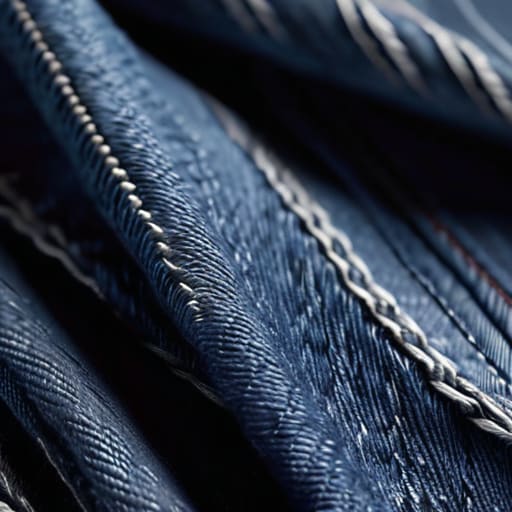
The biggest mistake I see people make is assuming that a high price tag equals a high-quality weave. Marketing teams are masters at selling you a “premium” feeling that disappears the moment you hit the laundry. They’ll lean heavily on the indigo dyeing process to make a pair of jeans look artisanal, but if the denim fabric density is low, you’re basically buying expensive paper. If you can see the light through the weave when you hold it up to a window, it’s going to bag out at the knees by lunchtime. Don’t let them sell you on “pre-distressed” looks that are actually just structural weaknesses built into the fabric.
Another trap is ignoring the actual construction in favor of a brand name. People often hunt for selvedge because it sounds fancy, but they forget to check the warp and weft construction for actual durability. You can find incredible, sturdy denim on vintage looms that will outlast anything in a modern mall, but you have to look past the label. If the stitching feels thin or the fabric feels suspiciously lightweight for the price, walk away. You aren’t buying an “investment”; you’re just paying for a logo.
Final Thoughts
Look, at the end of the day, you don’t need to be a textile engineer to buy a pair of jeans that won’t fall apart by next season. You just need to stop trusting the marketing department and start looking at the actual build. Whether it’s the way the indigo dyeing process affects how the color will fade on your hips, or whether the warp and weft construction feels sturdy rather than flimsy, the clues are always there if you look closely.
Stop chasing the “investment” label just because a brand says so. If the denim fabric density feels thin and the stitching looks like it was done by someone in a massive hurry, it’s not an investment; it’s a future landfill contribution. I’d much rather see you spend a bit more on a mid-range pair with a solid weave and then take them to a tailor to nip in the waist for twenty quid. That is how you actually build a wardrobe that works, one that survives the Wednesday morning rush and the Friday night drinks without losing its soul.
The Neve Method: 5 Ways to Tell if Your Denim is Worth the Cash
- Check the weight, not the label. If the denim feels thin and flimsy like a bedsheet, it’s going to lose its shape by next Tuesday. You want a fabric with some heft; a higher ounce weight usually means more structural integrity and fewer baggy knees after three wears.
- Look at the weave density by holding it up to the light. If you see massive gaps between the threads, that’s a sign of a low-grade, loose weave that will fray and tear at the stress points—like your crotch or pockets—much faster than a tight, dense weave.
- Beware the “stretch trap.” A little bit of elastane is fine for comfort, but if the tag says more than 2% or 3%, you aren’t buying denim; you’re buying leggings in disguise. High-stretch denim loses its “snap back” ability quickly, and once it bags out, no amount of tailoring can fix a saggy seat.
- Inspect the selvedge vs. the open edge. While not every good pair needs to be expensive selvedge denim, a clean, tight edge is a hallmark of a better loom process. If the edges look messy or the fabric feels unevenly dyed, the manufacturing quality was likely rushed to save a few cents.
- Do the “pinch test” on the dye. High-quality indigo is designed to fade beautifully over time, but cheap, superficial dyeing often just rubs off or looks patchy. If the color looks almost too perfect and “flat” right off the rack, it’s likely a cheap synthetic dye that won’t age with your body.
The Real Cost of a Label
Stop looking at the price tag to tell you if a pair of jeans is high quality; look at the weave density and the weight of the denim instead. A brand can charge you a premium for a logo, but they can’t hide a thin, loose grain that’s going to bag out at the knees by next Tuesday. Real quality isn’t an ‘investment’—it’s just fabric that actually holds its shape after you’ve washed it three times.
Neve Okonkwo-Barr
The Bottom Line on Your Denim
At the end of the day, knowing the difference between a high-density weave and a cheap, loosely spun fabric is what keeps you from wasting money on jeans that turn into saggy leggings after two months. We’ve looked at how the grading actually works and why that “premium” label on the rack doesn’t always translate to a garment that can handle a washing machine. Remember: look for the weight, check the selvedge or the seam strength, and never ignore the fiber content—if it’s more than 2% elastane, those knees are going to bag out faster than you can say “retail markup.” It isn’t about buying the most expensive pair in the shop; it’s about understanding the math of the fabric so you know exactly what you’re paying for.
Stop letting brands convince you that a “style upgrade” requires a massive credit card bill. Real style is built on pieces that actually last long enough to develop a bit of character and a shape that fits your specific body. If you find a pair of jeans with a great weave but the waist is an inch too wide, don’t walk away—just budget twenty quid for a tailor to take them in. When you stop shopping for trends and start investing in structural integrity, you stop being a consumer and start being a curator. Build a wardrobe that works for your actual life, not the one on the mannequin.
Frequently Asked Questions
If I find a pair of vintage jeans with a heavy, stiff weave, is it actually better quality or just old-school manufacturing?
It’s usually both. Back then, they weren’t using the crazy chemical softeners we use today to make jeans feel like leggings straight off the rack. That stiffness usually means a higher weight and a tighter weave, which is great because it actually holds its shape instead of bagging out at the knees by lunchtime. Just check the seams; if the fabric is heavy but the stitching is fraying, it’s just old, not quality.
How can I tell if a "premium" denim brand is actually using high-grade fabric or if I'm just paying an extra £50 for the logo on the back pocket?
Stop looking at the leather patch and start looking at the weave. Grab the fabric and give it a firm tug; if it snaps back instantly, you’ve got good tension. Then, check the weight. High-grade denim should feel substantial, not like a thin pajama pant. Most importantly, turn them inside out. If the interior seams look like a chaotic mess of loose threads, that “premium” price tag is just paying for a marketing budget, not quality construction.
Is it worth paying a tailor to resize high-quality raw denim, or will the structural changes mess up the way the fabric fades over time?
Here’s the truth: if you’re resizing the waist, you’re fine. If you’re trying to shorten the legs or taper the thigh, you’re playing with fire. Raw denim lives and dies by its grainline. If a tailor cuts across the weave to slim you down, you’ll get weird, diagonal fading patterns that look accidental rather than intentional. It’s worth the £20 for a waist adjustment, but don’t butcher the silhouette and ruin the character.
