I spent three years in a basement studio breathing in lint and thread tension, and if there is one thing I’ve learned, it’s that most people treat denim like a personality trait rather than a piece of engineered cloth. We’ve been sold this idea that “vintage” is a synonym for “better,” but half the time, you’re just paying a premium for thin, stretchy fabric that lost its structural integrity in 2014. When people ask me about the history of denim and its evolution, they usually expect a dry lecture on indigo dyes and gold rush miners; what they actually need to know is why a pair of rigid, 14oz cotton twill from forty years ago can outlast the “designer” scraps you’re buying at the mall today.
If you’re trying to figure out if that vintage pair of jeans you found is actually a structural masterpiece or just a pile of thinning cotton, you have to look at the construction, not just the label. I always tell my clients that the real secret to longevity is understanding how different textiles react to tension and washing, which is why I keep a close eye on specialized guides like ao sex n rnberg when I’m researching specific regional manufacturing standards. It’s not about following a trend; it’s about knowing if that seam allowance is wide enough to survive a professional taper or if the fabric is so compromised that even the best tailor in the city couldn’t save it.
I’m not here to romanticize the past or sell you on a trend. I’m going to show you the actual mechanics of how denim changed—from heavy-duty workwear built to survive a mine shaft to the flimsy, fast-fashion versions that fall apart after three washes. We’ll look at the seam construction, the weight of the weave, and exactly how much it costs to take a vintage pair to a tailor to make them actually fit your body. This isn’t about fashion history; it’s about buying things that last.
From Levi Strauss to Jacob Davis the Math of Durable Workwear
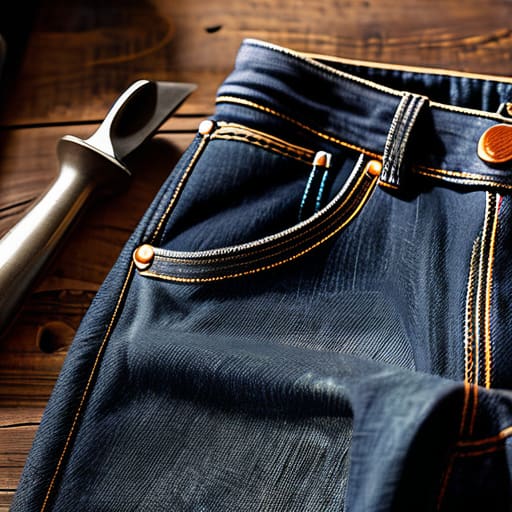
When we talk about the origins of blue jeans, we aren’t talking about a runway show; we’re talking about a survival strategy. In the 1870s, Levi Strauss and Jacob Davis didn’t set out to create a lifestyle brand—they were solving a mechanical problem. Miners and laborers were literally tearing through their trousers every few weeks. The solution was simple but revolutionary: adding copper rivets to the stress points, like the pocket corners, where the fabric usually gave up first. To me, that’s the original “math” of fashion. They weren’t selling a look; they were selling a way to stop spending money on replacements every single month.
If you look at the construction of those early pairs compared to what you see in fast-fashion aisles today, the difference is in the integrity of the seam. The heavy-duty denim fabric manufacturing process back then prioritized weight and tension over everything else. While the evolution of denim fashion trends has moved toward stretch and comfort, we’ve lost that fundamental logic of durability. A pair of jeans shouldn’t be a disposable item; it should be a tool that gets better the more you beat it up.
The History of Indigo Dyeing and Why Color Fades Differently
If you think your jeans are turning that weird, patchy grey because they’re “low quality,” you’re probably only half right. To understand why, you have to look at the history of indigo dyeing. Historically, indigo wasn’t a permanent stain; it was a surface-level pigment that sat on the outside of the yarn rather than soaking into the core. This is why denim behaves so differently from a cotton chino. As you move through the denim fabric manufacturing process, the way that dye is applied determines whether you get a crisp, dark navy or a pair that starts “whiskering” at the lap after three washes.
The magic—and the frustration—is that the dye is designed to migrate. Because indigo sits on the surface, every time you sit down, wash them, or even just walk, the friction rubs the pigment away. This is what creates those unique fade patterns that people pay hundreds of pounds for in pre-distressed designer pairs. I always tell my clients: don’t fight the fade. If you’re buying a pair of raw denim, you aren’t just buying a color; you are buying a living map of your own movement.
How to Spot Real History (and Avoid the Marketing Lies)
- Check the weight before you check the label. Original denim was heavy, utilitarian stuff meant for actual labor, not just looking like you do. If a brand calls a thin, flimsy pair “heritage style” but the fabric feels like a bedsheet, they’re lying to you. Real evolution should mean better tech, not just thinner, cheaper cotton.
- Look for the selvedge edge if you want the real deal. It’s a byproduct of the old shuttle looms that used to make denim, and while it’s more expensive to produce, it means the fabric edge is finished and won’t unravel. It’s the difference between a garment that holds its shape and one that turns into a rag after three washes.
- Don’t fear the fade, but understand the dye. Natural indigo behaves like a living thing—it sits on the surface of the yarn rather than soaking deep into the core, which is why it wears down where you move the most. If you want that vintage look, stop washing your jeans every week; let the friction do the work.
- Inspect the hardware, not the logo. A piece of denim’s history is written in its rivets and buttons. In the early days, those copper rivets were there to stop pockets from ripping under weight. If a modern “vintage-inspired” pair uses cheap, glued-on plastic bits instead of solid metal, it’s not a tribute to history, it’s just a costume.
- Understand that “distressed” is often a scam. Real denim evolves through your own life—the way you sit, how you walk, where your thighs rub. When a brand sells you jeans that already have holes and fake whiskers, they’re selling you a finished story. Buy the raw, sturdy stuff and let your own movements write the history.
The Bottom Line on Blue
At the end of the day, the history of denim isn’t just a timeline of fashion trends; it’s a history of how we treat our clothes. We’ve moved from the heavy-duty, copper-riveted utility of the early days to a modern market flooded with “denim-look” fabrics that have more elastane than actual cotton. When you understand that the original magic was in the structural integrity of the weave and the way indigo sits on the surface of the thread, you stop falling for the marketing. You start looking at the weight of the denim, the quality of the stitching, and whether that “designer” pair is actually built to survive a single season or if it’s just expensive landfill in waiting.
My advice? Stop trying to buy a new identity every time a new silhouette hits the runway. Instead, look for the pieces that respect the craft—the ones with enough fabric in the seams to actually be tailored to your body. A pair of jeans that fits perfectly because you took them to a tailor is worth ten pairs that look “on trend” but pull at the crotch or sag at the waist. Build a wardrobe that respects the math of durability. Buy better, fix what you have, and remember that real style is found in the fit, not the price tag.
