I spent two years in a damp basement studio pinning hems for a bridal shop, and if there is one thing I learned, it’s that people will spend a fortune trying to “accessorize” their way out of a bad outfit. I see it every week: someone buys a massive, logo-heavy designer belt to distract from a blazer that fits like a cardboard box, or they pile on cheap, gold-plated jewelry that turns their neck green by lunchtime. The marketing industry wants you to believe that building essential accessories for a professional work wardrobe requires a massive credit limit and a constant stream of new arrivals, but that is a complete lie.
I’m not here to sell you on “must-have” trends or tell you that you need a different silk scarf for every day of the week. Instead, I’m going to show you the actual maths of a functional wardrobe. We are going to talk about leather quality that won’t crack by November, why a structural bag matters more than a brand name, and which pieces are actually worth the cost of a quick trip to the tailor. My goal is to help you find the few, high-utility pieces that actually survive a work week without breaking your bank or your spirit.
Why Minimalist Professional Accessories Actually Lower Your Cost Per Wear
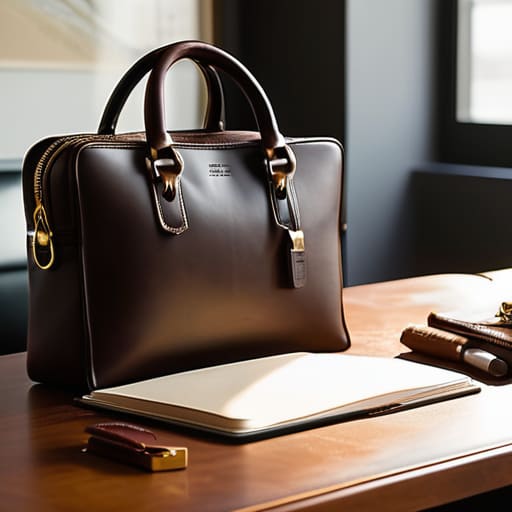
The math of a “bargain” is usually a lie. We’ve all been there: you see a $15 faux-leather tote on a whim, thinking it’s a steal, only to have the strap snap or the “leather” peel by a rainy Tuesday in November. That’s not a deal; that’s a tax on being impatient. When you pivot toward minimalist professional accessories, you aren’t just buying things that look better; you’re buying durability. A single, well-constructed belt or a structured bag made of full-grain leather might cost more upfront, but it survives the commute, the subway, and the sheer friction of a forty-hour week.
Think about it this way: if you buy three cheap, trendy scarves that pill and lose their shape after three washes, you’ve spent more than if you’d just bought one high-quality silk or wool piece. This is the core of a capsule wardrobe office essentials strategy. By choosing items that don’t rely on seasonal gimmicks, you stop the cycle of constant replacement. I always tell my clients that true value is found in the seam allowance and the weight of the material, not the logo on the box.
The Business Casual Accessory Guide for High Utility Dressing
Look, “business casual” is the most confusingly vague term in the industry, but for your wardrobe, it just means you need pieces that bridge the gap between a structured blazer and a weekend knit. My personal business casual accessory guide starts with the hardware: jewelry. Forget the heavy, statement-making stuff that feels like costume jewelry after three hours of typing. You want timeless office jewelry pieces—think small gold hoops or a solid vermeil chain. If the metal is too thin, it’ll snap or turn your neck green by Tuesday, and that’s just money down the drain.
Next, let’s talk about your daily drivers: your bags and belts. If you’re looking at professional leather goods for work, stop looking at the brand name and start looking at the grain. A structured leather tote in a mid-weight calfskin will actually hold its shape when you cram a laptop inside, whereas those cheap “vegan” alternatives will start peeling at the seams within six months. It’s better to own one decent leather belt that you can have shortened by a tailor for fifteen quid than to have a drawer full of flimsy ones that won’t even stay looped through your trousers.
The Five Non-Negotiables (That Won't Break the Bank or Your Spirit)
- Stop buying “statement” jewelry that looks like it was made of spray-painted plastic. If you’re going to wear earrings or a necklace to the office every day, get something in a decent metal—even if it’s just gold-filled rather than solid gold. Cheap plating rubs off on your skin by Tuesday, and once that metal turns your neck green, the piece is dead weight. A simple, solid brass or silver hoop is worth the extra £15 because it survives the laundry and the commute.
- The “Structured Bag” Myth. You do not need a stiff, expensive leather tote that costs as much as a car payment just to look professional. You need a bag with a reinforced base. If the bottom of your bag collapses the second you put a laptop in it, you look disheveled, not “executive.” Look for heavy canvas with leather trim or a mid-range pebbled leather; if the shape holds itself up when empty, it’s a winner.
- Belts: The structural integrity test. Most people buy a belt because they like the buckle, but a belt is a tool for silhouette. If you’re buying a belt for work, check the edge paint. If the edges of the leather look fuzzy or unfinished, it’s going to fray within three months of being pulled through your loops. Spend the extra few quid on a finished edge; it’s the difference between looking “put together” and looking like you’re wearing a costume.
- Footwear is an accessory, too—stop treating them as separate. A professional wardrobe lives or dies by the shoe’s condition. You don’t need ten pairs; you need two pairs of high-quality loafers or boots that can actually be resoled. If a cobbler tells you a shoe is “unfixable,” it wasn’t a good shoe to begin with. A cheap shoe with a glued sole is a disposable item; a good shoe with a stitched sole is an asset.
- The Scarf/Wrap Strategy for Climate Control. Office air conditioning is a special kind of torture. Instead of a cheap, thin polyester pashmina that pills the moment it touches your blazer, look for a heavy-weight cotton or a wool blend. It needs enough “heft” to drape properly. A flimsy scarf just looks like you forgot a coat; a substantial wrap looks like a deliberate layer of your uniform.
The Bottom Line
At the end of the day, a professional wardrobe isn’t built by scrolling through “New In” sections every Tuesday; it’s built by choosing pieces that actually do the heavy lifting. We’ve talked about why you should prioritize leather over faux-plastic that peels by February, why a structured bag is worth more than a flimsy logo-heavy one, and how a simple, well-made belt can make a mid-range blazer look like a custom piece. Remember, the goal isn’t to have a different accessory for every mood, but to have a curated kit of items that survive the commute, the meetings, and the inevitable coffee spills. If an accessory doesn’t pass the “Wednesday morning test”—meaning it’s easy to grab, easy to style, and won’t fall apart under pressure—it’s just expensive clutter.
Stop letting marketing departments convince you that your style is a deficit that can only be filled by more shopping. Real style is found in the details you choose to keep and the way you maintain what you already own. If you find a piece you love that doesn’t quite sit right, don’t discard it; take it to a tailor and fix the fit. When you stop chasing trends and start investing in the math of durability and utility, you stop being a consumer and start being someone who actually knows how to dress. You don’t need a bigger closet; you just need a smarter one.
If you’re feeling stuck on how to actually pull these pieces together without looking like you’re wearing a costume, don’t just spiral in a Pinterest rabbit hole. Sometimes you just need a bit of real-world perspective from people who are actually navigating the same social and professional minefields you are. I’ve found that jumping into a womenseekingmen chat can be a surprisingly helpful way to get a reality check on how certain looks translate in actual social settings, rather than just seeing them through a polished, filtered lens. It’s about finding that balance between looking put-together and actually feeling like yourself when you walk into a room.
