Stop calling every $120 organic cotton set an “investment piece” just because it has a minimalist logo on the waistband. I spent two years in a basement studio pinning hems for people who thought a higher price tag meant better durability, and let me tell you: the math rarely adds up. Most brands are just selling you a specific shade of oatmeal and a marketing story, hoping you won’t notice the thin, flimsy jersey that will pill the second it touches a washing machine. If you want to learn how to choose loungewear worth owning, you have to stop looking at the aesthetic and start looking at the seam allowance and the weight of the knit.
I’m not here to sell you a lifestyle or tell you that you need a brand-new capsule collection to feel “put together” on a Sunday. My promise is much more practical: I am going to show you how to spot high-quality construction from a mile away, which fabric blends actually survive a heavy wash cycle, and when a “relaxed fit” is actually just a poorly cut garment that needs a tailor. We’re going to focus on longevity over trends, so you can finally stop wasting money on clothes that belong in the bin by next season.
Forget Trends How to Choose Loungewear Worth Owning
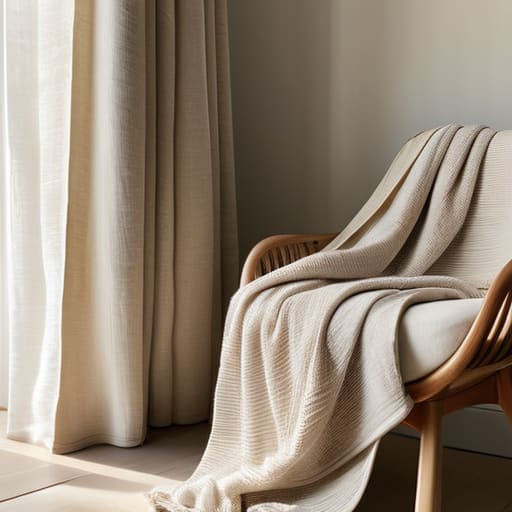
The problem with most loungewear marketing is that it sells you a “vibe” rather than a garment. You see a model in a $120 matching set looking effortlessly chic, but if that set is made of a high-percentage polyester blend, you aren’t buying comfort—you’re buying a portable sauna. Polyester doesn’t breathe; it traps heat and sweat, making it the enemy of actual relaxation. If you want pieces that actually last, you need to look at the fiber content first. I always tell my clients to prioritize sustainable loungewear materials like organic cotton, Tencel, or linen blends. These aren’t just buzzwords; they dictate how the fabric behaves after the tenth wash.
Stop chasing the seasonal “aesthetic” and start looking at the construction. A true capsule wardrobe loungewear essential shouldn’t just look good on a Zoom call; it needs to survive the reality of a sofa session. Check the weight of the knit and the strength of the waistband. If the elastic is already losing its snap in the shop, it won’t survive a month at home. Real value isn’t about the brand name; it’s about the durability of loungewear fabrics that won’t pill or lose their shape by next Tuesday.
The Math of Durability Sustainable Loungewear Materials That Last
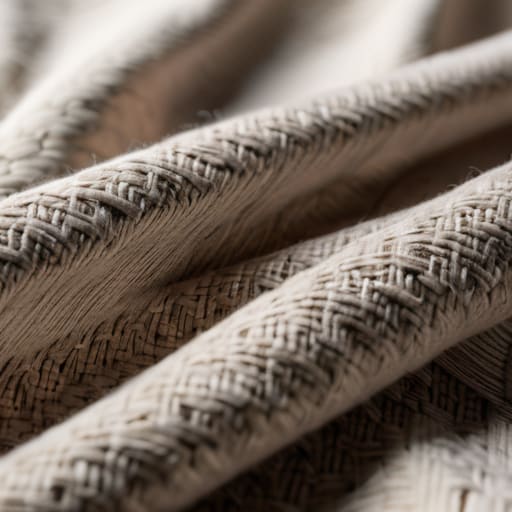
If you want to know if a piece is actually a “premium loungewear investment piece” or just expensive landfill, stop looking at the brand name and start looking at the composition tag. Most high-street loungewear is a cocktail of polyester and acrylic that feels soft for exactly ten minutes until the friction of your own movement turns it into a fuzzy, pilled mess. I call it “fake softness.” If the tag is mostly synthetic, you aren’t buying comfort; you’re buying a chemical film that traps heat and smells like a gym bag by noon.
For actual sustainable loungewear materials, you need to look for fiber density. A heavy-weight organic cotton or a tightly woven Tencel will hold its shape through twenty washes, whereas a cheap modal blend will lose its elasticity and start looking like a dishcloth. When I’m assessing the durability of loungewear fabrics, I look for the weight. If the fabric feels thin enough to see through when you stretch it, it won’t survive a single season of sitting on a sofa. Stick to natural fibers that breathe; they might cost more upfront, but they won’t cost you a replacement every three months.
Breathable Fabric for Home Wear or a Costly Mistake
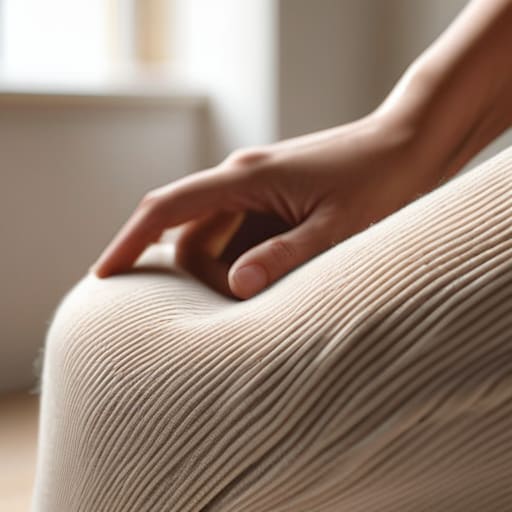
We need to talk about the “softness trap.” You’re in the fitting room—or scrolling through a site at 2 AM—and you touch a set that feels like a cloud. It’s brushed, it’s fuzzy, it’s heaven. But then you look at the care label and see 100% cheap polyester. That “cloud” is actually a plastic sponge that will trap heat, make you sweat, and eventually pill into something that looks like it was harvested from a lint trap. When people ask me about breathable fabric for home wear, I tell them to stop chasing the immediate sensation of softness and start looking at fiber content.
If you want actual comfort, you want natural fibers like cotton, linen blends, or Tencel. These materials actually move air. A high-quality cotton jersey might feel slightly “crisper” than a synthetic fleece when it’s brand new, but it won’t turn into a sweaty, static-filled mess after two weeks. This is the real comfort vs style in loungewear debate: true comfort comes from how the fabric interacts with your skin over eight hours, not just how it feels for the first five minutes. If it’s not breathing, it’s not worth the space in your drawer.
Comfort vs Style in Loungewear the Middle Ground Exists
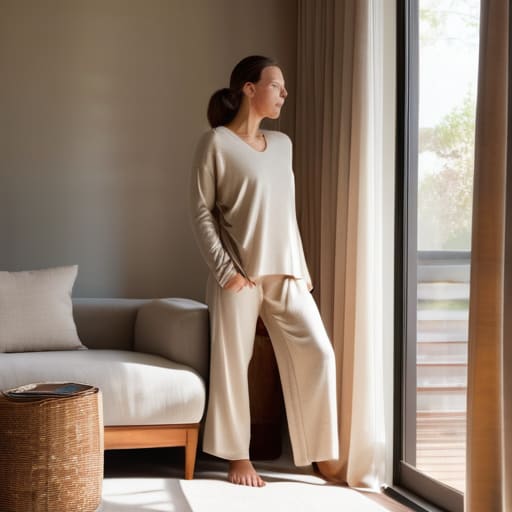
We need to stop treating “loungewear” as a synonym for “looking like I’ve given up on life.” There is this weird, false dichotomy in marketing where you either buy a pair of shapeless, pill-prone fleece joggers that make you look like a pile of laundry, or you buy these stiff, “elevated” sets that feel like wearing a cardboard box. Both are wrong. The sweet spot—the actual middle ground—is finding pieces that respect your body’s need to move while respecting your dignity when the delivery driver knocks.
When I’m looking at comfort vs style in loungewear, I’m looking at the construction. If a set is made of a high-quality jersey or a heavy-weight rib, it has enough structure to hold its shape around your shoulders and waist, but enough stretch to let you actually sit on a sofa. You want pieces that function as capsule wardrobe loungewear essentials—items that don’t look out of place if you suddenly have to take a Zoom call or run to the corner shop. If it’s too thin, it looks cheap; if it’s too rigid, it’s not loungewear. Look for weight and drape, not just softness.
Capsule Wardrobe Loungewear Essentials Investing in Real Value
If you’re building a collection of capsule wardrobe loungewear essentials, stop thinking about “sets” and start thinking about layers. A matching three-piece ribbed set looks great on a mannequin, but if the waistband is thin and the fabric lacks recovery, you’ll be wearing it once before it turns into a shapeless rag. Instead, look for individual pieces that play well together: a heavy-weight organic cotton jogger, a high-quality modal tank, and a structured sweatshirt. This isn’t about buying a “look”; it’s about ensuring the durability of loungewear fabrics can actually handle being lived in every single day.
When I talk about premium loungewear investment pieces, I am looking at the seams and the weight. I want to see a double-needle stitch on the hems so they don’t curl after a wash, and I want a fabric that feels substantial, not flimsy. If you find a piece that is almost perfect but the legs are two inches too long, don’t ditch it—take it to a tailor. Spending £15 to hem a high-quality pair of trousers is a much better use of your money than spending £80 on a “fast fashion” set that loses its shape by Tuesday.
The Real-World Checklist: 5 Things I Look for Before I Hit 'Buy'
- Check the seam allowance, not just the label. If you can see daylight through the stitching or the thread looks like it was applied by a machine running at light speed, walk away. Good loungewear needs reinforced seams because you’re going to be sitting, stretching, and lounging—not standing perfectly still like a mannequin.
- The “Pill Test” is your best friend. Before you commit to a high price tag, grab the fabric and rub it between your fingers. If it already feels slightly fuzzy or uneven, that’s a warning sign. It’s going to pill after two washes, and once a sweatshirt starts pilling, it stops looking like “relaxed chic” and starts looking like a neglected gym kit.
- Look for weight, not just softness. Everything feels soft when it’s fresh out of the plastic, but weight gives a garment its shape. A flimsy, lightweight jersey might feel nice for ten minutes, but it’ll cling to every single thing you don’t want it to. You want a fabric with enough heft to drape over your body rather than sticking to it.
- Avoid the “Dry Clean Only” trap for home wear. I don’t care how luxurious the description sounds; if you have to treat your loungewear like a piece of fine china, you won’t wear it. Real loungewear needs to be machine-washable. If the care label looks like a math equation, it’s not a staple, it’s a chore.
- Mind the elastic, not just the waistband. Pull the waistband and let it go. If it doesn’t snap back instantly, or if you can hear the internal elastic crunching, it’s going to lose its shape by Tuesday. You want a waistband that holds you in without digging a trench into your skin, and that requires decent internal construction.
The Truth About Your 'Cozy' Collection
Stop looking at the aesthetic on the website and start looking at the seam allowance and the fiber content; if it’s a polyester blend that feels like a plastic bag, it doesn’t matter how ‘aesthetic’ it looks in your mirror—it’s going to pill by Tuesday and end up in a landfill by next month.
Neve Okonkwo-Barr
The Bottom Line on Loungewear
At the end of the day, choosing loungewear isn’t about finding the trendiest aesthetic on your feed; it’s about doing the math on what you’re actually putting on your skin. We’ve looked at why a high-quality cotton blend or a sturdy linen will always beat a cheap, synthetic “miracle fabric” that loses its shape after one nap. We’ve talked about finding that sweet spot between looking like a person and feeling like a cloud, and why the most “sustainable” thing you can do is buy something that doesn’t need replacing in six months. Remember: if the seams are pulling or the fabric feels like sandpaper, it doesn’t matter how much it cost—it’s a bad purchase.
Stop letting marketing departments convince you that you need a brand-new “lifestyle” every time a new season drops. Your home is where you should feel most like yourself, not a walking billboard for fast-fashion loungewear that’s destined for a landfill. Build a collection of pieces that actually respect your body and your budget, and don’t be afraid to take them to a tailor if the waist needs a little help. Style isn’t something you buy; it’s the way you curate the things that make your life easier. Now, go check your labels and start buying for the long haul.
Frequently Asked Questions
I found a cute set on sale, but the fabric is a polyester blend—is it worth the low price if it’s going to pill in a month?
If it’s a high percentage of polyester, you aren’t saving money; you’re just pre-paying for a landfill trip. Polyester is essentially plastic, and in a soft, brushed loungewear finish, those tiny fibers rub together and create pills almost immediately. Once that fuzz starts, no amount of fabric shaver magic will make it look “new” again. If you can’t afford the slightly higher price of a cotton or modal blend, skip the sale. Don’t buy a mistake.
If my loungewear is a bit too baggy or shapeless, can a tailor actually fix it, or is it a lost cause?
It’s rarely a lost cause, but it depends on where the “baggy” is happening. If it’s just excess fabric in the waist or side seams of a sweatshirt, a tailor can take it in for about £15–£25. But if the shoulder seams are dropping halfway down your biceps, walk away. You can’t fix a structural shoulder mistake without rebuilding the whole garment, and that costs more than the loungewear itself.
How do I tell if a high-end loungewear brand is actually using quality construction or if I'm just paying for a fancy logo?
Turn the garment inside out. If the seams are raw, fraying, or look like a frantic zig-zag of loose thread, that logo is just a mask for laziness. Look for flat-felled seams or clean overlocking—the kind that stays flat against your skin rather than bunching up. Check the weight, too; if a “luxury” hoodie feels thin and flimsy, it’s going to lose its shape by Tuesday. Don’t pay for a name; pay for the stitch density.
