I spent three years in a basement studio pinning hems for brides who were convinced that “looking older” meant they had to start buying expensive, shapeless linen sacks to look “sophisticated.” It’s the biggest lie in the industry: the idea that as you age, you lose the right to structure, or that you suddenly need a whole new wardrobe of “mature” pieces. The truth is, most people don’t need a new closet; they just need to understand how age changes what works in terms of fabric weight and seam placement. You aren’t losing your style; your body is just changing the math of how a garment sits on your shoulders and waist.
I’m not here to sell you a “capsule collection” or tell you to shop at boutiques that charge triple for a mediocre cotton shirt. I’m going to show you the real mechanics of dressing well—the kind of stuff that actually matters on a rainy Wednesday. We’re going to talk about which weaves hold their shape after ten washes, why a £15 tailor visit is better than a £200 “investment” jacket, and how to make your existing clothes actually fit the person you are today.
Understanding How Age Changes What Works
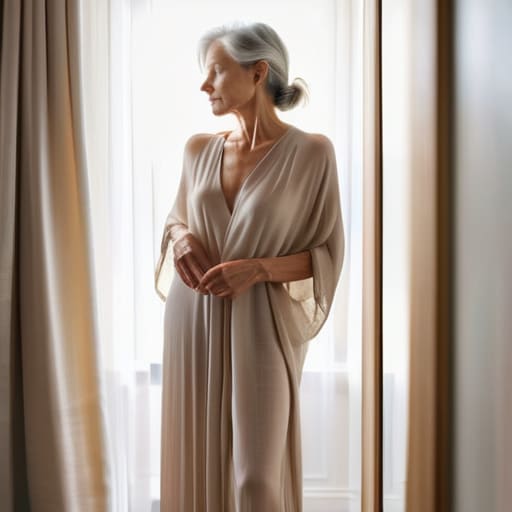
Here is the reality: your body isn’t a static mannequin, so why do we treat our wardrobes like they are? As the years tick by, we aren’t just “getting older”; we are experiencing a fundamental shift in how gravity and hormones interact with our frames. This isn’t about “dressing your age” in that patronizing way the magazines mean—it’s about dressing for changing body proportions. Maybe your waist has migrated, or your shoulders have softened, or you’ve simply found that certain fabrics now feel like sandpaper against your skin. When your physical blueprint shifts, your old clothes start to feel like a costume that doesn’t quite fit the lead actor.
This is where most people panic and start a massive, expensive shopping spree, thinking they need a whole new identity. In reality, this style evolution through life stages is less about buying a new life and more about recalibrating your relationship with construction. It’s the difference between a stiff, polyester-blend blazer that fights your new shape and a high-quality wool piece that has enough seam allowance to be taken in or let out. You don’t need a new wardrobe; you need a wardrobe that actually acknowledges the person currently living inside it.
Key Things to Know
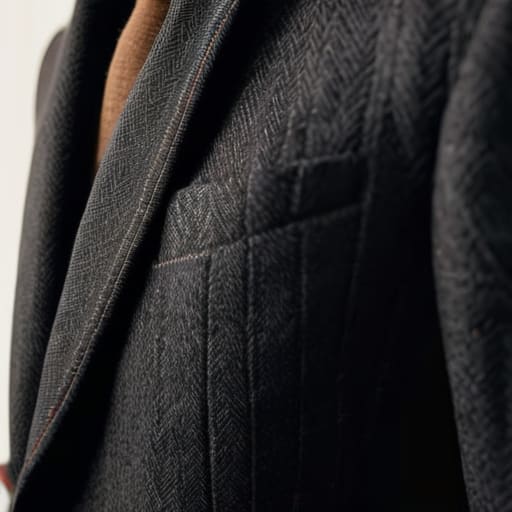
First, let’s talk about the physical reality: your skeleton and your soft tissue aren’t static. We often talk about dressing for changing body proportions as if it’s a tragedy, but it’s actually just geometry. Maybe your shoulders have dropped a centimeter, or your waistline isn’t where it lived in your twenties. This is where most people fail; they try to squeeze into the “old” version of themselves. Instead, you need to look at the seam lines. If the shoulder seam of a blazer is sitting two inches too far down your arm, it’s not that you’ve changed—it’s just that the garment is fighting you.
Second, stop chasing the micro-trend cycle. There is a massive difference between timeless style vs trends, and the latter is usually just a way to make you feel out of date by next Tuesday. When you are navigating your style evolution through life stages, focus on fabric integrity. A high-quality wool crepe or a heavy linen will hold its shape as your body shifts, whereas a thin, polyester blend will cling to every new curve in all the wrong ways. If the fabric doesn’t have enough substance to skim rather than stick, leave it on the rack.
Practical Tips and Steps
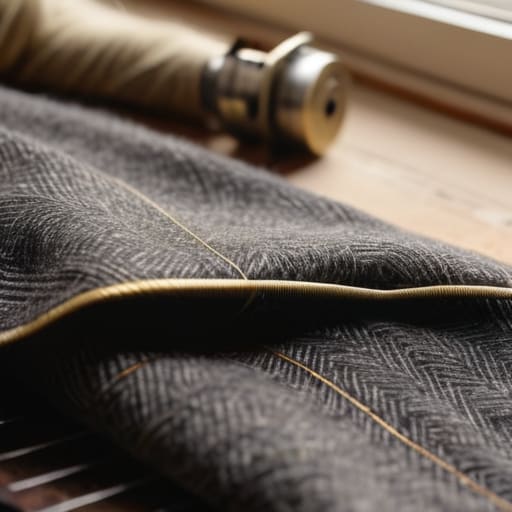
First, stop trying to squeeze into the “goal” versions of your clothes from five years ago. As your body shifts, the most important part of adapting wardrobe to aging isn’t buying new stuff; it’s auditing what you already own for structural integrity. Check your shoulder seams and your rise. If a pair of trousers feels like it’s fighting your hips, don’t bin them—take them to a tailor. A simple adjustment to the waistband or letting out a seam can make a massive difference in how you feel, and it’s much cheaper than a shopping spree.
Second, start prioritizing fabric weight over fast-fashion trends. As we move through different life stages, the way light hits a cheap, thin synthetic can make it look limp, whereas a heavy linen or a structured wool holds its shape and masks the areas you might be feeling self-conscious about. This is where timeless style vs trends becomes a practical math problem: a high-quality natural fiber that fits perfectly will outlast ten polyester tops that lose their shape after three washes. Focus on the architecture of the garment, not the label.
Common Mistakes to Avoid
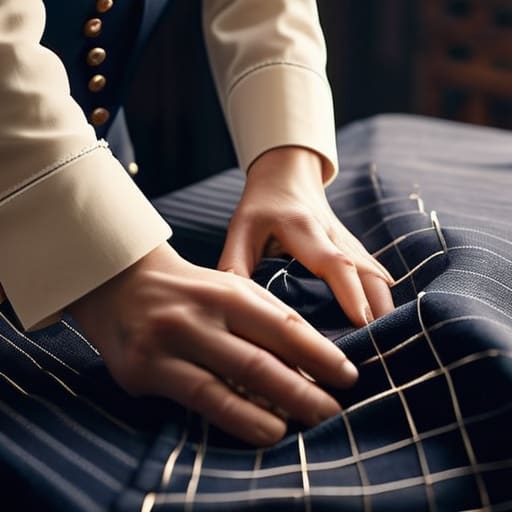
The biggest mistake I see is the “all-or-nothing” closet purge. People hit a certain milestone and suddenly decide everything they own is suddenly “wrong,” so they go out and buy a whole new capsule wardrobe of beige linen. Please, don’t. Most of the time, you aren’t facing a style crisis; you’re just facing a shift in dressing for changing body proportions. Instead of binning a perfectly good blazer because the waist feels a bit tight, take it to a tailor. A little bit of seam allowance goes a long way, and it’s much cheaper than replacing a good piece of construction.
The second trap is chasing timeless style vs trends in a way that feels like a costume. I see people trying to “dress younger” by wearing fast-fashion micro-trends that are made of paper-thin polyester. These fabrics don’t drape; they cling. They highlight every tension point in a seam and they fall apart after three washes. If you’re adapting wardrobe to aging, stop looking at what’s trending on TikTok and start looking at the fabric composition on the label. A heavy cotton or a structured wool will always look more expensive and intentional than a trendy, flimsy synthetic.
Final Thoughts
Look, I’m not going to tell you that you need to “dress your age,” because that’s usually just code for “wear beige and give up.” What I am saying is that your relationship with your clothes is going to shift, and that’s okay. Whether you’re navigating style evolution through life stages or just dealing with the fact that your hips have decided to move three inches to the left, the goal isn’t to hide. The goal is to stop fighting your clothes and start making them work for the person you actually are today.
Don’t let a changing silhouette make you feel like you need to scrap everything and start from scratch. Most of the time, adapting your wardrobe to aging is less about buying a whole new aesthetic and more about recognizing when a seam is pulling or a fabric is too flimsy to hold its shape. If you can master the art of the tailor and learn to spot a quality construction, you’ll realize that style isn’t something you lose—it’s just something you refine. Stop looking at the trends and start looking at the fit.
Five ways to stop fighting your clothes and start making them work
- Stop buying “for your age” and start buying for your silhouette. The industry loves to tell women they need to “age gracefully” by switching to beige linen sacks, but that’s nonsense. If you loved a structured blazer at twenty-five, you can still wear it at forty-five; you just might need a tailor to nip the waist slightly differently to account for how your center of gravity has shifted.
- Prioritize fabric weight over trendiness. As we get older, thin, flimsy jersey starts to look a bit tired because it doesn’t hold its own shape against ours. I always tell my clients to look for a heavier weight crepe or a substantial cotton poplin. It skims the body rather than clinging to every single thing you’re trying to hide, and it actually looks expensive even if it wasn’t.
- The “Shoulder Rule” is your new best friend. If you’re buying secondhand or hitting the sales, check the shoulder seams first. As our bodies change, we often find our shoulders getting slightly broader or more rounded. If the seam is falling down your arm, it’s a nightmare to fix and will cost you more in alterations than the garment is worth. Get the fit right at the top, and the rest is easy.
- Audit your “easy” clothes. We all have that one pair of trousers we’ve worn into the ground. But if your “comfortable” clothes are actually just shapeless because the elastic has perished or the fabric has lost its recovery, they’re doing you no favors. A quick trip to a local seamstress to replace a waistband or take in a leg can make a five-year-old pair of trousers feel brand new.
- Learn the math of the “Investment Piece.” Don’t let a brand call a polyester blend an “investment” just because it has a high price tag. A real investment is a 100% wool coat with a decent seam allowance. Why? Because when you inevitably need to let it out or take it in by a centimeter, you actually have the fabric to do it. Cheaply made clothes have zero margin for error, and once they don’t fit, they’re landfill.
The Real Math of Getting Older
“Style isn’t about ‘dressing your age’—that’s just marketing code for ‘stop having fun.’ It’s about recognizing that your body is changing its geometry, and instead of buying a whole new wardrobe to chase a ghost, you should just be investing in better fabrics and a tailor who knows how to respect a new silhouette.”
Neve Okonkwo-Barr
The Bottom Line
At the end of the day, evolving your style isn’t about erasing who you were or trying to chase a twenty-year-old’s silhouette. It’s about recognizing that your body is a moving target and your clothes need to keep up. We’ve talked about why fabric weight matters more than a brand name, why a quick trip to the tailor is better than a massive shopping spree, and why understanding your new proportions is the real secret to looking put-together. Stop blaming your body for why an old blazer doesn’t sit right; blame the cut, or better yet, just fix the seam allowance and move on with your life.
Please, stop letting marketing departments convince you that “aging gracefully” means fading into the background in beige linen. Style isn’t a prize you win for staying young; it’s a tool you use to navigate the world as you are right now. Whether you’re reworking a vintage find or finally investing in that heavy wool coat that actually hangs correctly, remember that the goal is comfort and confidence, not perfection. You don’t need a new wardrobe every season—you just need clothes that actually respect your shape and a tailor who knows their way around a sewing machine.
Frequently Asked Questions
I found a beautiful vintage blazer at a charity shop, but the shoulders are too wide—is that actually fixable or am I just wasting money on a repair?
Honestly? That’s a massive “no” from me. Shoulder reconstruction is the most expensive, technical job in tailoring because it involves deconstructing the entire sleeve head and armhole. You’re looking at £50–£80 minimum, which usually kills the “bargain” math. Unless that blazer is pure, heavy-weight wool or silk and you’re obsessed with it, walk away. If the shoulders don’t sit right, the whole silhouette is broken, and no amount of pinning can fix that cheaply.
How can I tell if a fabric is actually high quality versus just being marketed as 'luxury' or 'timeless'?
Ignore the “luxury” tag on the website; it’s usually just a markup. Instead, look at the weight and the weave. Grab the fabric and scrunch it in your fist—if it stays a wrinkled mess, it’s cheap synthetics masquerading as linen. Check the seams, too. If the stitching is uneven or the thread looks thin, it won’t survive a year of washing. Real quality feels substantial, not flimsy, and it respects the grain.
If I want to start updating my wardrobe to fit my current body, should I focus on replacing everything at once or just fixing the pieces I already love?
Please, do not try to replace everything at once. That is how you end up with a closet full of expensive, “perfect” clothes that you never actually wear because you haven’t learned how they feel on your body yet. Start with the pieces you love but that currently feel “off.” A simple waist nip or a hem adjustment costs a fraction of a new garment and keeps your soul in your wardrobe. Fix first, shop second.
