Stop listening to influencers who tell you that wearing all black requires a “curated capsule wardrobe” or a five-figure budget from a designer label. It’s a lie designed to make you feel like your closet is broken so you’ll go out and buy something new. Most people think they don’t know how to wear black well because they lack “aesthetic” pieces, but usually, they just have a pile of faded, lint-covered cotton that looks like it’s mourning a funeral. The truth is, wearing black isn’t about the brand on the tag; it’s about managing light, texture, and the structural integrity of what you already own.
I’m not here to sell you a new lifestyle or a specific “must-have” black bodysuit. Instead, I’m going to show you the actual mechanics of the color: why a heavy wool crepe will always look more expensive than a thin jersey, and how a twenty-pound trip to the tailor can turn a shapeless black sack into your most powerful outfit. We are going to talk about fabric weight, seam allowances, and the math of maintenance so you can stop buying “replacement” basics and start actually wearing what you have.
Understanding How to Wear Black Well

The biggest mistake people make when trying to pull off an all-black look is assuming that “black” is a single, uniform shade. It isn’t. If you pair a faded, sun-bleached cotton tee with a crisp, deep-black wool trouser, you won’t look “effortlessly chic”—you’ll look like you got dressed in the dark. To avoid looking like a walking shadow, you have to focus on mixing different black fabrics. I’m talking about the way light hits a heavy denim versus how it absorbs into a matte jersey or a silk slip. That contrast is what prevents you from looking like a shapeless blob.
When you’re exploring monochromatic black outfit ideas, think of it as a game of shadows rather than colors. You need to create visual interest through structural tension. This is where layering black garments becomes your best friend; a chunky knit over a smooth poplin shirt creates a depth that a single fabric simply can’t achieve. If the outfit feels flat, it’s usually because you’ve ignored the weight of the materials. Don’t just throw on clothes; build a silhouette that actually has some architecture to it.
Key Things to Know
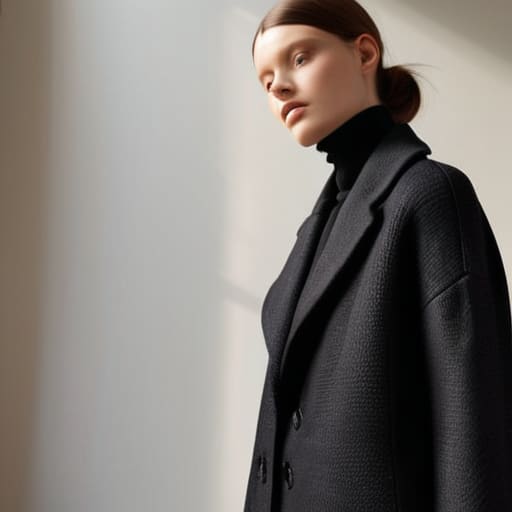
First, let’s talk about the “black hole” effect. If you wear a thin, jersey-knit black tee with cheap polyester trousers, you aren’t going to look “chic”—you’re going to look like you’re wearing a shadow. To avoid looking flat, you have to master mixing different black fabrics. I’m talking about pairing a heavy wool coat with a silk slip skirt, or a rugged denim jacket over a fine-gauge knit. The goal is to create visual separation through light reflection; some fabrics soak it up, while others catch the light.
Second, don’t ignore the structural reality of your pieces. When you are layering black garments, the weight of the fabric dictates the silhouette. If you pile three different lightweight cotton items on top of each other, the outfit will collapse and look messy. You need at least one “anchor” piece—something with enough substance, like a structured blazer or a heavy twill pant, to hold the shape. If the shoulders of your black sweater are drooping because the knit is too loose, don’t just ignore it; spend the fifteen pounds to have the armholes taken up so the garment actually looks intentional rather than accidental.
Practical Tips and Steps
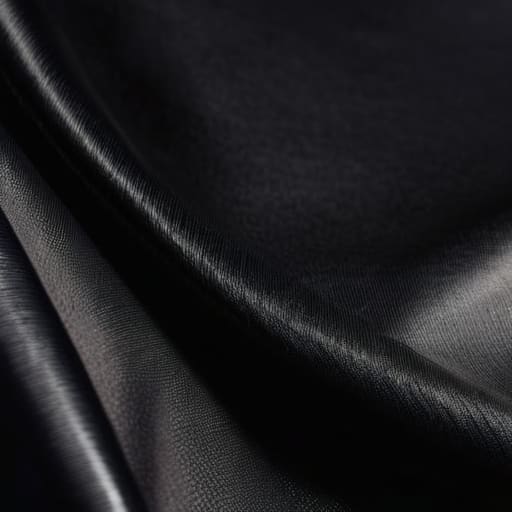
First, stop looking for the “perfect” black piece and start looking at the construction. If you’re building monochromatic black outfit ideas, the secret isn’t the brand; it’s the light absorption. A heavy wool trouser looks completely different next to a silk camisole because they catch the light differently. When you are mixing different black fabrics, you are essentially creating shadows and highlights that prevent you from looking like a solid, shapeless inkblot. If everything is the same flat cotton jersey, you’ll look like you’re wearing pajamas, regardless of how much you paid.
Second, focus on the architecture of the outfit. Since you aren’t using color to create interest, you have to use silhouette and weight. I always tell my clients that layering black garments is the easiest way to add depth without adding clutter. Throw a structured, heavy denim jacket over a lightweight linen shirt; the contrast in fabric tension does the work for you. Finally, don’t ignore your hardware. Use your black outfit accessories—a chunky leather belt or a polished metal buckle—to create a visual break. It’s not about “accessorizing” for the sake of it; it’s about giving the eye a place to land so the outfit actually feels intentional.
Common Mistakes to Avoid
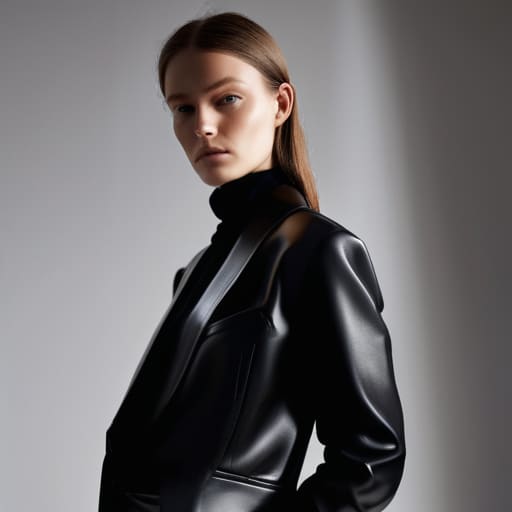
The biggest mistake I see—and it breaks my heart because it’s such a waste of a good piece—is the “void effect.” This happens when you try to create a monochromatic black outfit using the exact same flat, synthetic jersey or cheap polyester from head to toe. Without any variation, you don’t look chic; you just look like a silhouette that hasn’t finished loading. If every single item has the same light-absorbing properties, you lose your shape entirely.
Stop buying “all black” just because it’s easy. I see so many people grab a black sweater and black trousers that are both mid-weight cotton, and suddenly they look like they’re wearing a uniform for a job they hate. The secret to adding dimension to black clothing isn’t about color; it’s about the way light hits the surface. You need to pair a heavy wool against a silk, or a structured denim against a soft knit. If you aren’t mixing different black fabrics, you aren’t actually styling an outfit—you’re just getting dressed in the dark.
Final Thoughts
Look, at the end of the day, wearing all black shouldn’t feel like a costume or a mourning period. It’s just a tool. If you walk away from this with nothing else, remember that the “all black aesthetic” only fails when you treat every garment like they’re made of the exact same plastic-y polyester. That is how you end up looking like a silhouette with no soul. The secret to adding dimension to black clothing isn’t about buying more stuff; it’s about respecting the light. A heavy wool trouser paired with a silk camisole creates a visual boundary that a cheap, thin cotton jumpsuit simply cannot achieve.
Stop worrying if your outfit is “interesting” enough and start looking at your seams. If you’re experimenting with layering black garments, make sure the weights actually make sense together. If the fit is right and the textures are doing the heavy lifting, you don’t need a neon sign to prove you have style. Real style is knowing that a $20 thrifted skirt looks like a million bucks once you’ve spent the fifteen quid to get the waist sitting exactly where it should.
The Non-Negotiables for an All-Black Fit
- Stop ignoring the lint roller; black fabric is a magnet for every stray hair and speck of dust in a three-mile radius, and once it looks fuzzy, it looks cheap.
- Mix your textures or you’ll look like you’re wearing a uniform; pair a heavy cotton twill with a silk slip or a chunky knit with leather so the outfit actually has depth instead of just looking like a black hole.
- Check your blacks in natural light before you leave the house, because if your trousers are a “washed-out charcoal” and your shirt is a “true midnight,” you won’t look intentional—you’ll just look like you got dressed in the dark.
- Prioritize fabric weight over brand names; a heavy-weight organic cotton or a dense wool crepe will hold its shape and stay deep black, whereas a cheap synthetic blend will turn a sad, dusty grey after three trips through the wash.
- If the silhouette is slightly off, don’t panic and buy a new one; take that black blazer to a tailor to nip the waist or shorten the sleeves, because a perfectly fitted cheap black piece looks infinitely more expensive than a designer piece that swallows your frame.
The Fabric Truth
“Stop treating black like a safety net for when you have nothing to wear; treat it like a technical challenge. If you pair a cheap, thin polyester black top with a heavy cotton trouser, you’ll look like a smudge on a page. Real style in black isn’t about the color—it’s about making sure the light hits different textures so the outfit actually has a shape.”
Neve Okonkwo-Barr
The Bottom Line
Look, wearing black isn’t about buying a whole new capsule collection of “essential” pieces that look like they were made from recycled bin bags. It is about understanding that black is a heavy, visual weight that demands intentionality. If you’ve listened to anything I’ve said, you know that the secret isn’t in the brand name, but in the fabric composition and the silhouette. Stop buying thin, polyester blends that turn charcoal-grey after two washes and start looking for natural fibers or heavy-weight synthetics that actually hold a line. Mix your textures—a matte wool with a silk slip, or a chunky knit with leather—so you don’t end up looking like a shapeless shadow. And for heaven’s sake, if the shoulders don’t sit right, take it to a tailor. A $20 alteration on a thrifted black blazer will always look better than a $400 designer piece that fits you like a sack.
At the end of the day, your clothes are just tools to help you navigate a Tuesday morning or a Friday night. Black is the ultimate tool because it’s reliable, but it shouldn’t be a shield you hide behind. Use it to create structure, to play with proportions, and to command a room without having to say a word. Style isn’t a math equation you have to solve perfectly before you’re allowed to leave the house; it’s just about making sure what you’re wearing actually works for you. Go out there, wear the black, and stop worrying if it’s “on trend.” If it fits well and the fabric holds its shape, you’ve already won.
Frequently Asked Questions
How do I stop my black clothes from looking like a faded, dusty grey after only a few months of washing?
Stop washing them in hot water. Heat is the enemy; it breaks down the fibers and bleeds the dye. Switch to cold cycles and turn every black garment inside out before it hits the machine to protect the face of the fabric. Most importantly, stop using the dryer. That high heat is exactly what turns a deep midnight navy into a sad, dusty charcoal. Air dry them in the shade, and your blacks will actually stay black.
If I'm buying second-hand black pieces, how can I tell if the fabric is actually high quality or just cheap polyester that will pill immediately?
Don’t just look at the brand; look at the weave. Give the fabric a gentle tug—if it snaps back instantly, it’s got life. If it stays stretched or feels “crunchy,” it’s cheap poly. Most importantly, do the light test: hold it up. If you see a loose, uneven knit, it’ll pill by Tuesday. Look for heavy drapes and natural fibers like wool or cotton blends; they age with you, whereas polyester just turns into lint.
Is it actually worth paying a tailor to take in the waist of a black sweater, or is that a lost cause compared to a structured shirt?
Don’t touch the sweater. Knitwear is a nightmare for alterations because you’re fighting the tension of the entire garment; if a tailor takes in the waist, you risk puckering the sides or ruining the drape, and it’ll cost you more than the sweater is worth. Stick to the structured shirt. A crisp cotton or poplin shirt has the seam allowance to actually handle a waist adjustment, and it’ll look intentional rather than like a mistake.
